Working Groups At The AI Impact Summit / Science
Science Working Group
Harnessing AI to accelerate frontier science, foster scientific collaboration, and translate breakthroughs into shared global progress.

About The Working Group
AI is transforming the practice of science, reshaping how hypotheses are tested, discoveries made, and knowledge shared. From mapping millions of protein structures to forecasting climate risks, AI is accelerating scientific discovery across disciplines. The Science thematic working group under the India AI Impact Summit 2026 seeks to catalyze inclusive AI-enabled science by fostering openness, reproducibility, and safety as default norms
Vision & Objectives
Building an equitable global AI ecosystem
The Working Group on Science envisions a world where AI accelerates discovery through open, transparent, and equitable scientific collaboration bridging divides in capacity and participation. It aims to build collective understanding and shared norms to ensure that AI enhances, rather than narrows, the frontiers of global science.
Leadership
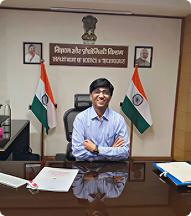
Prof. Abhay Karandikar
India Co-Chair
Secretary, Department of Science and Technology (DST), Government of India
Prof. Abhay Karandikar is currently Secretary, Department of Science & Technology (DST). Before joining DST in October 2023, he served as the Director, IIT Kanpur from April 18th, 2018 to September 25th, 2023 (on lien from IIT Bombay). He also served as Dean (Faculty Affairs) and Head of the Electrical Engineering Department at IIT Bombay. He spearheaded a national effort in setting up Telecom Standards Development Society of India (TSDSI), India's standards body for telecom with participation of all stakeholders.Prof Karandikar was the founding member and former Chairman of TSDSI.He was also Member(Part- Time) of Telecom Regulatory Authority of India(TRAI) from January 2018 - January 2021. Prof Karandikar has several patents issued and pending, contributions to IEEE, 3GPP standards, contributed chapters in books and large number of papers in international journals and conferences to his credit.Prof Karandikar was awarded with IEEE SA's Standards Medallion in December 2016 in New Jersey. His team also won Mozilla Open Innovation challenge prize in March 2017 for his work on rural broadband and digital empowerment in rural India.

Canada
Country Co-Chair

Singapore
Country Co-Chair
Key Issues
Understanding the global AI divide and our approach to bridging it
The Challenge
Scientific breakthroughs increasingly depend on diverse datasets, interdisciplinary expertise, and cross-border cooperation. However, structural barriers persist unequal access to compute, fragmented data systems, and uneven research capacities that exclude many from shaping AI-driven science. These asymmetries risk reinforcing the concentration of innovation within a few systems while others remain dependent users. Limited reproducibility and transparency further undermine the reliability of results and slow the translation of discoveries into real-world applications.
The Solution
The Working Group recognizes that addressing these challenges requires collective governance, shared standards, and trust-based collaboration. Strengthening the enabling environment for AI in science can democratize participation, enhance research quality, and accelerate solutions to global challenges in health, agriculture, and climate.
The Impact
By fostering inclusive participation and embedding responsible practices, the Working Group will contribute to the India AI Impact Summit’s vision of AI for Inclusive, Responsible, and Sustainable Development.
Meeting Schedule
8th January 2026
Hybrid Meeting (Mumbai)
Conclave on AI for Science
The Conclave on AI for Science, a working group meeting under the India–AI Impact Summit 2026, will be held on Thursday, January 8, 2026. Hosted by the IndiaAI Mission, Ministry of Electronics & IT, Government of India, in association with the Government of Maharashtra, the Centre of Machine Intelligence and Data Science (CMInDS), and BharatGen at IIT Bombay, the conclave will bring together leading minds to explore the transformative role of AI in advancing scientific discovery.
Interested in becoming a part of the public event? Register now!

Help shape the future of global AI by sharing your perspectives, suggestions, and expertise. Your input will contribute to equitable access and inclusive AI innovation worldwide.
Share your input
We value your insights and contributions to the working groups
Related Pre-Summit Events
Join related events building momentum for the summit
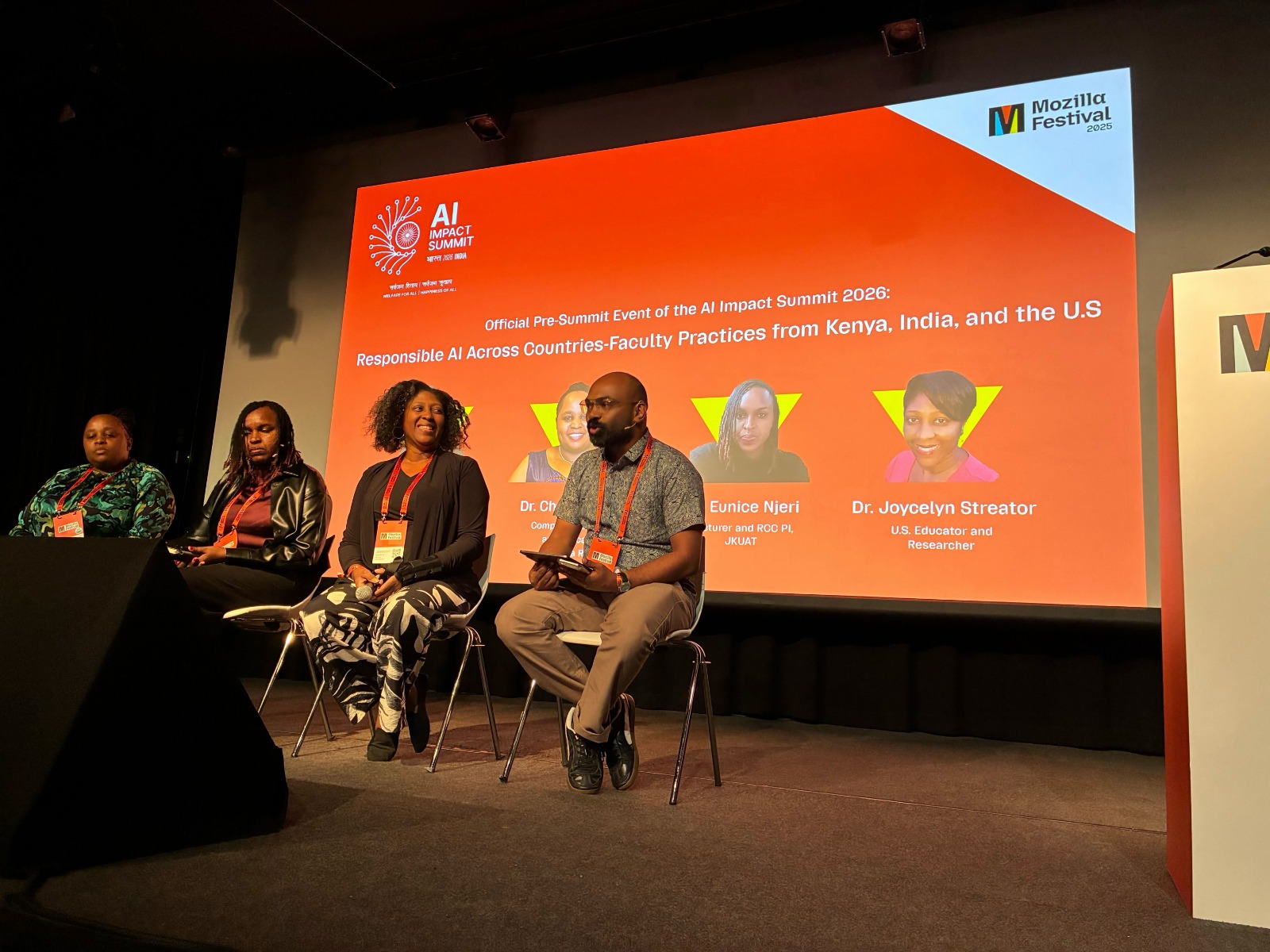
The Mozilla Festival (MozFest) 2025 session titled “Responsible AI Across Countries – Faculty Practices from Kenya, India, and the U.S.,” held on November 8, 2025, in Barcelona, focused on practical, low-compute methods for integrating Responsible AI into higher education curricula. Faculty from the three countries shared approaches including multilingual access, lightweight evaluation frameworks, and AI-ready pedagogy aligned with NEP 2020 and digital inclusion. The session supports the AI Impact Summit’s pillars on Human Capital, Inclusion, Safe & Trusted AI, Science, and Democratizing AI Resources, aiming to foster inclusive, equitable AI education worldwide.
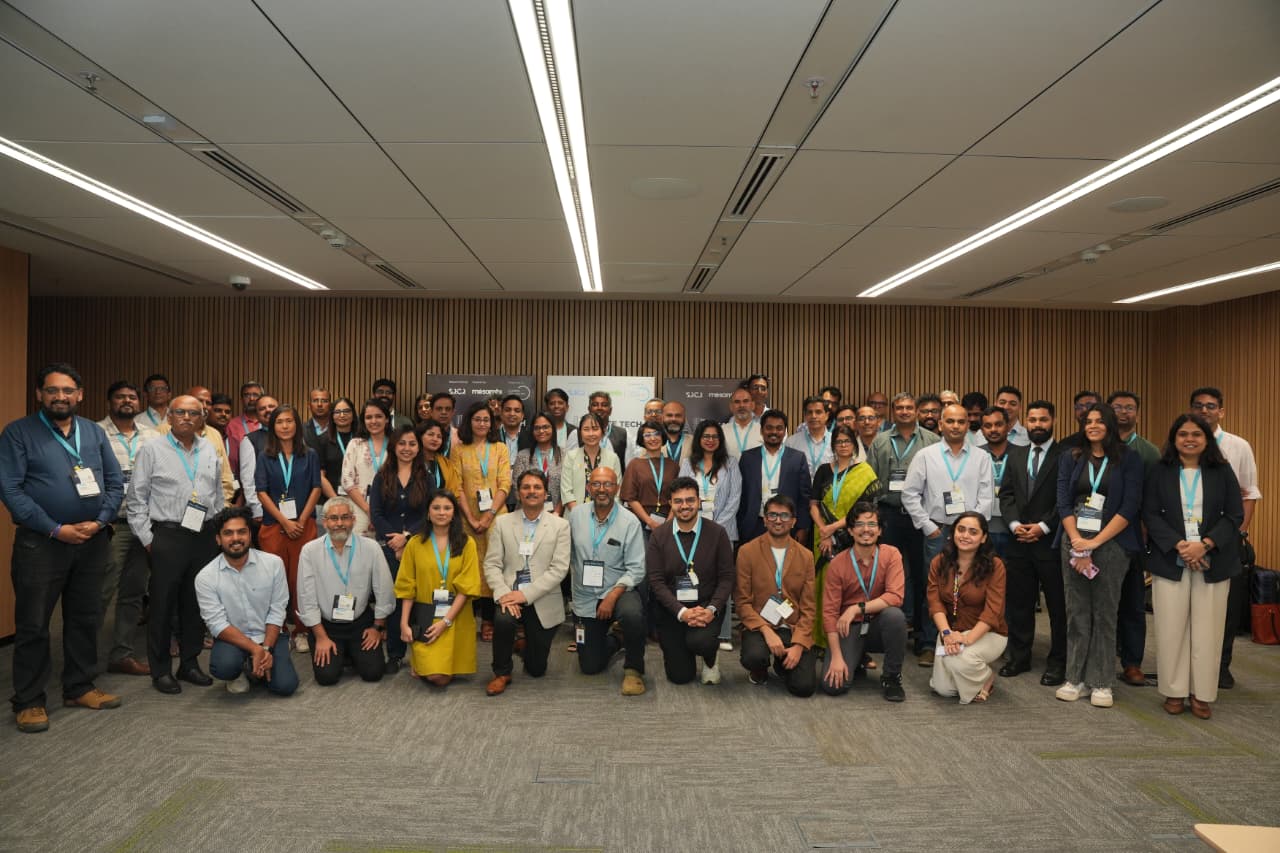
The AI for Climate Tech Summit 2025 brought together industry leaders, investors, policymakers, and startups to explore AI’s role in advancing climate resilience and sustainable development in key sectors such as energy, agriculture, and urban risk. The summit aimed to bridge government, industry, and research efforts to accelerate AI-driven climate innovation aligned with India’s developmental and net-zero goals. Preceded by an official pre-summit dialogue in Delhi, the event fostered actionable insights and collaborative momentum for scaling AI-powered climate solutions, directly supporting the “Planet” and “Progress” themes of the India–AI Impact Summit 2026.
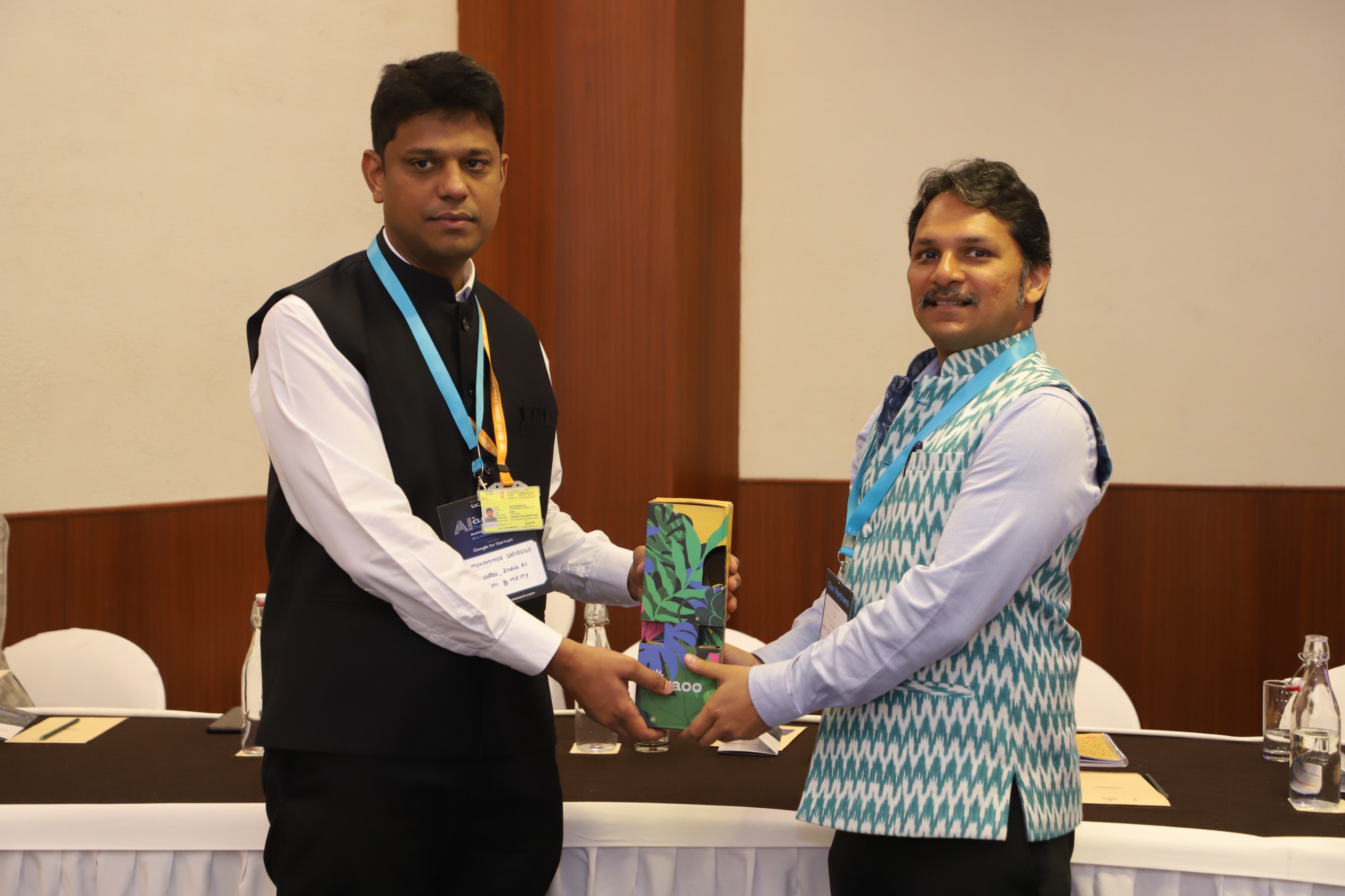
Organized under the themes of Resilience, Science, and Social Good, the roundtable explored how AI can accelerate sustainable development across India’s power and built environment sectors. Participants identified actionable policy priorities and strategies to advance AI-driven climate innovation. The dialogue culminated in a whitepaper and served as a lead-up to the “AI for Climate Tech Summit” in Bengaluru, aligning closely with the India AI Impact Summit’s Planet and Progress themes.
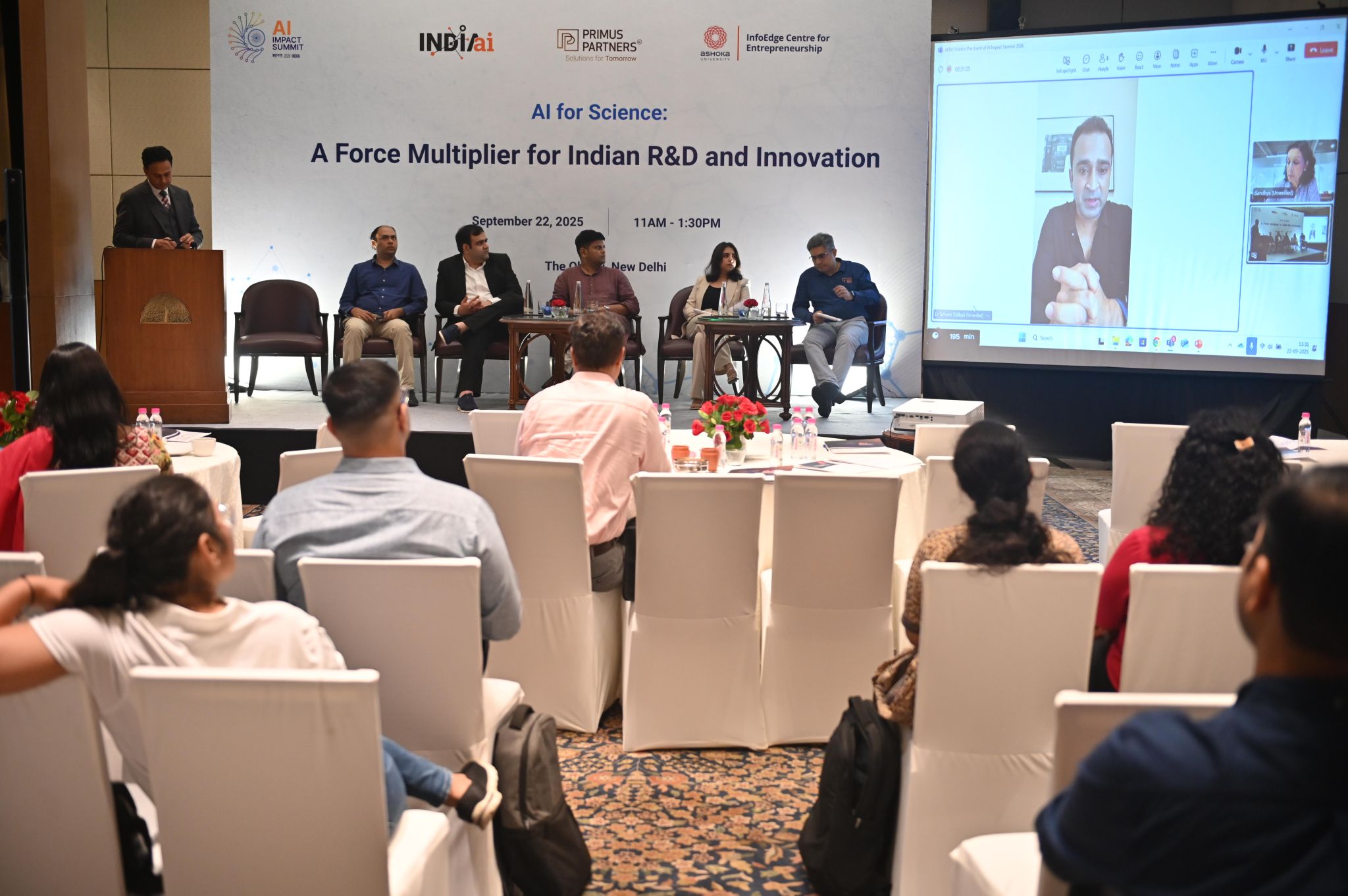
The panel discussion by Primus Partners explored how AI can accelerate India's scientific discovery and innovation across sectors like agriculture and life sciences. Participants examined the use of indigenous data, collaborative research models, and strategies to bridge lab-to-market gaps, generating actionable recommendations to strengthen AI-driven science in India.

