Working Groups At The AI Impact Summit / Safe & Trusted AI
Safe & Trusted AI Working Group
Building globally trusted AI systems anchored in transparency, accountability, and shared safeguards for innovation

About The Working Group
Rising AI safety incidents threaten public trust and reveal gaps in governance capacity worldwide. While the world has agreed on high-level principles for responsible AI, there remains a lack of clarity on how to operationalize them in practice. The Safe & Trusted AI thematic working group aims to address these challenges by fostering inclusive dialogue, building global capacity, promoting interoperable governance approaches, and exploring actionable pathways to operationalize AI safety.
Vision & Objectives
Building an equitable global AI ecosystem
The Safe & Trusted AI Working Group envisions a global AI ecosystem where safety, reliability, and trustworthiness are embedded in AI systems, enabling innovation that people and societies can trust.
Leadership

Prof. Balaraman Ravindran
India Co-Chair
Head - Department of Data Science and AI, IIT Madras
Prof. Balaraman Ravindran is the founding head of the Wadhwani School of Data Science and AI, the Robert Bosch Centre for Data Science and AI, and the Centre for Responsible AI (CeRAI) at IIT Madras. With over three decades of experience in machine learning and reinforcement learning, he is one of India’s leading voices in ethical and responsible AI research. His current work spans deep reinforcement learning, algorithmic fairness, and AI governance. He serves on the Government of India’s advisory group on AI and was part of the committee that authored the FREE-AI report for the Reserve Bank of India. He has collaborated extensively with global research institutions and industry partners to promote trustworthy and context-sensitive AI systems. Prof. Ravindran is a Fellow of the Indian National Academy of Engineering (INAE) and the Association for the Advancement of Artificial Intelligence (AAAI) and is widely recognised for his leadership in advancing AI research and education in India.

Brazil
Country Co-Chair

Japan
Country Co-Chair
Key Issues
Understanding the global AI divide and our approach to bridging it
The Challenge
The rapid advancement of AI has introduced novel and complex risks, from algorithmic bias and misinformation to autonomous decision errors and unanticipated model behavior. Many countries lack the technical capacity, institutional frameworks, and resources to assess, manage, and respond to these risks, concentrating the ability to ensure AI safety within a limited set of actors.
The Solution
Addressing these challenges requires promoting shared safety resources, interoperable governance frameworks, and inclusive capacity-building that enable all nations to participate in shaping and operationalizing AI safety frameworks. This approach can reduce global disparities in AI oversight, enhance the robustness and reliability of AI systems, and strengthen public trust in AI technologies.
The Impact
By fostering international cooperation and actionable pathways for AI safety, this effort can accelerate responsible innovation, mitigate systemic risks, and ensure that the benefits of AI are realized safely and equitably, thereby advancing the AI Impact Summit’s vision of inclusive, responsible, and sustainable AI for all.
Meeting Schedule
10th-11th December 2025
Hybrid Meeting (Chennai)
Conclave on Safe and Trusted AI
The Conclave on Safe and Trusted AI, a public event being hosted along with the Hybrid Meeting of the Safe & Trusted AI Working Group, under the India AI Impact Summit 2026, is being organized by the Centre for Responsible AI (CeRAI), IIT Madras, on December 11, 2025. The conclave will bring together global experts, policymakers, researchers, and industry leaders to advance discussions on building reliable, responsible, and trustworthy AI. The discussions will focus on building an open AI safety repository and developing practical, context-aware governance frameworks for the Global South.
Interested in becoming a part of the public event? Register now!

Help shape the future of global AI by sharing your perspectives, suggestions, and expertise. Your input will contribute to equitable access and inclusive AI innovation worldwide.
Share your input
We value your insights and contributions to the working groups
Related Pre-Summit Events
Join related events building momentum for the summit

A national digital safety and creative expression competition empowering students, educators, and young creators to promote safe, ethical, and responsible internet use. Organized with NCERT and CyberPeace, the initiative invited participants to create reels, posters, stories, and digital campaigns on cyber awareness, AI safety, and positive online behavior. Aligned with the India AI Impact Summit 2026 theme of Trust & Safety, winning entries were showcased at the Summit’s Trust & Safety Pavilion and featured in the AI Safe Bharat Youth Voices panel, contributing to CyberPeace’s AI Safety Curriculum and advancing digital literacy nationwide.
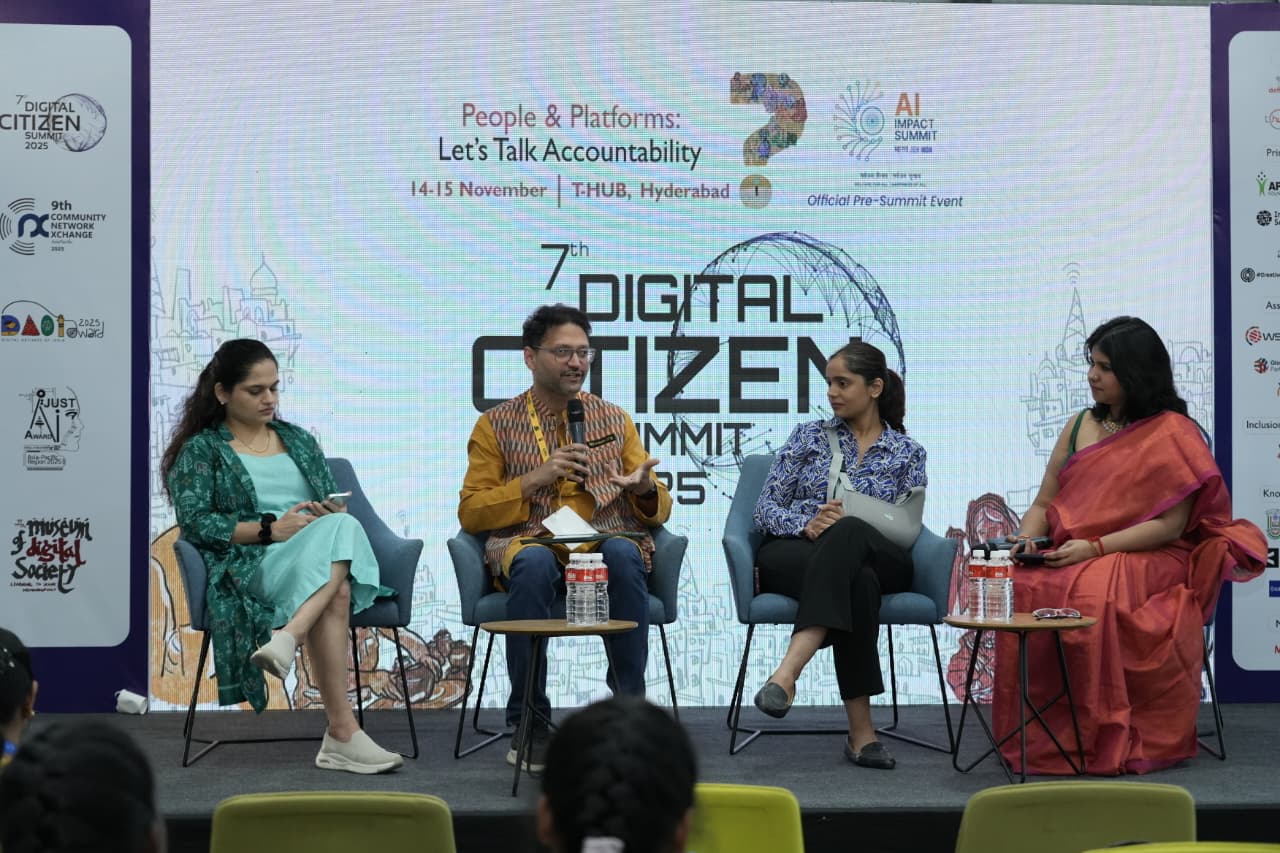
Held in partnership with the Department of IT, E&C, Government of Telangana. The summit brought together policymakers, technologists, civil society leaders, and community representatives to reimagine AI, data governance, and platform accountability for equitable, rights-based digital ecosystems. Featuring anthology launches, toolkit releases, and the Just AI Awards 2025, the event advanced dialogue on ethical AI, participatory governance, and community resilience—aligning closely with the IndiaAI Impact Summit’s pillars of Human Capital, Inclusion, and Safe & Trusted AI.
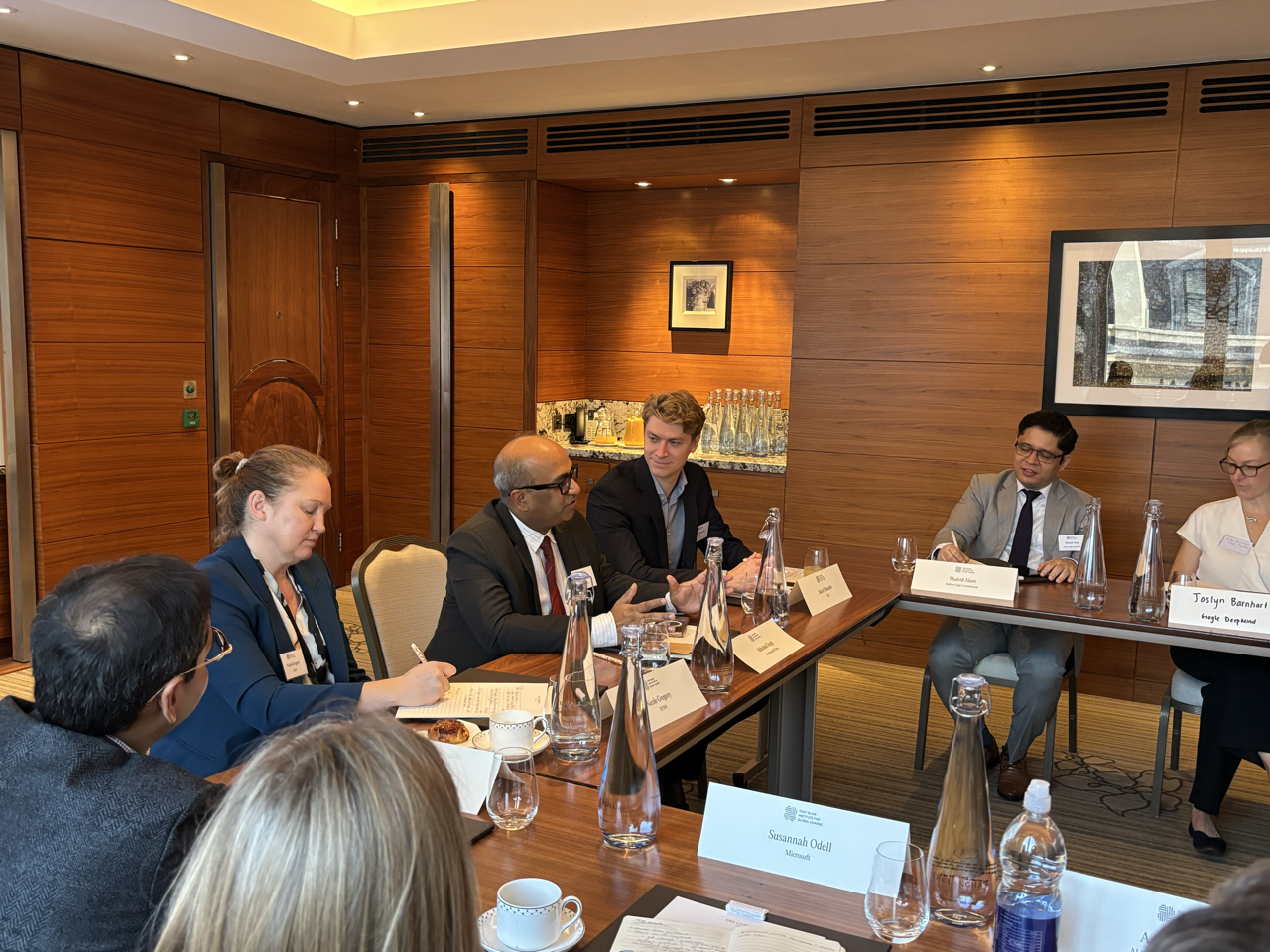
A high-level pre-summit dialogue supporting the India AI Impact Summit 2026. This closed-door roundtable convened around 20 influential leaders from government, industry, academia, and philanthropy to advance UK–India collaboration on inclusive and responsible AI governance. Through keynotes, moderated discussions, and cross-sector engagement, the session strengthened alignment on shared priorities—AI for human development, ethical innovation, and global safety—building momentum toward the India AI Impact Summit 2026 under the theme People, Planet, and Progress.
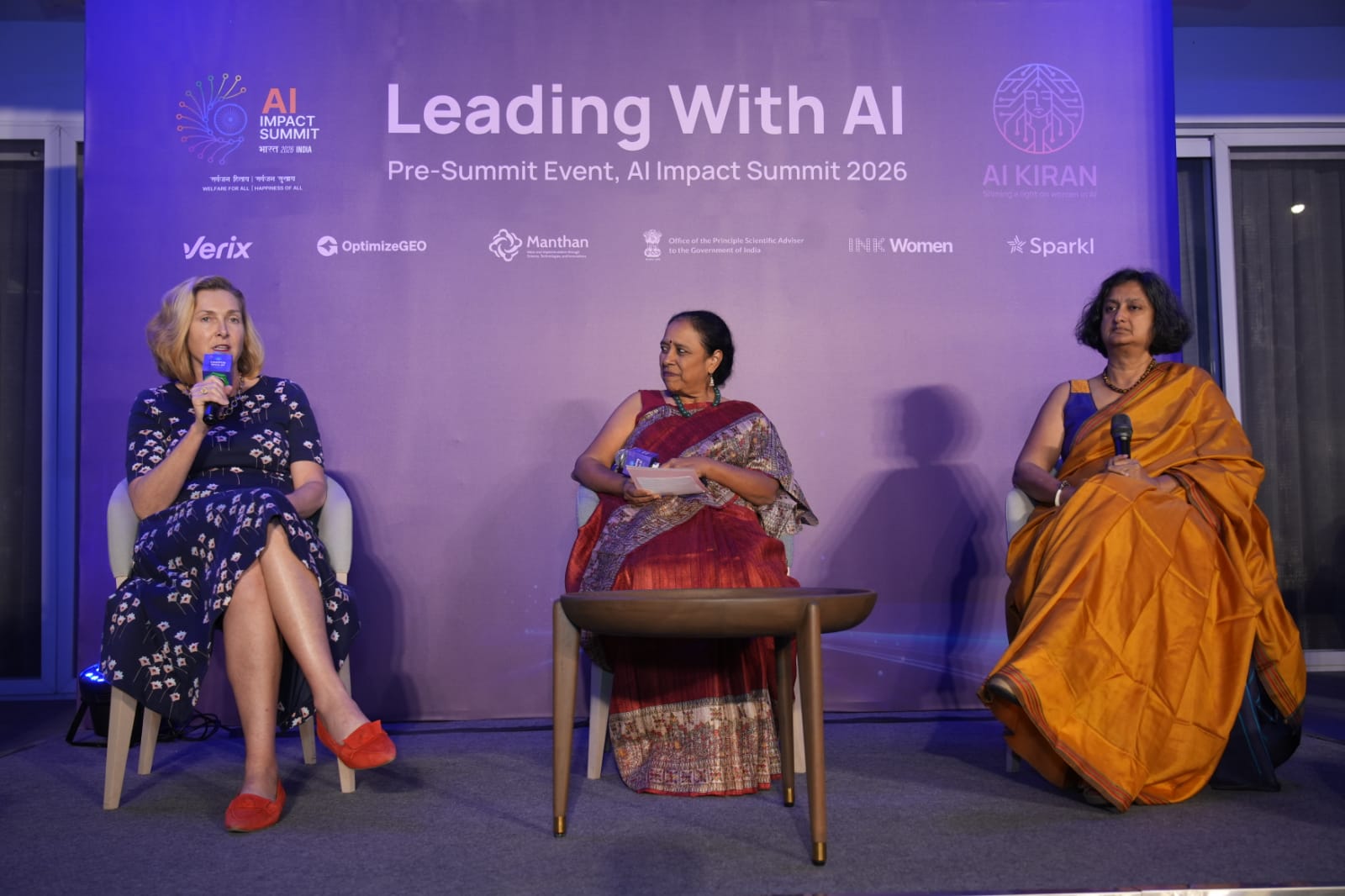
An exclusive pre-summit fireside chat featuring Jessica Jensen (LinkedIn) in conversation with Kirthiga Reddy. The session brought together senior leaders, CXOs, and policymakers to discuss how AI can drive inclusive growth, workforce transformation, and digital leadership. Building on the IndiaAI Summit 2026 theme of “People, Planet, and Progress”, the dialogue highlighted strategies for equitable access, large-scale skilling, and responsible AI governance, reinforcing collaboration toward a more diverse and inclusive AI ecosystem.
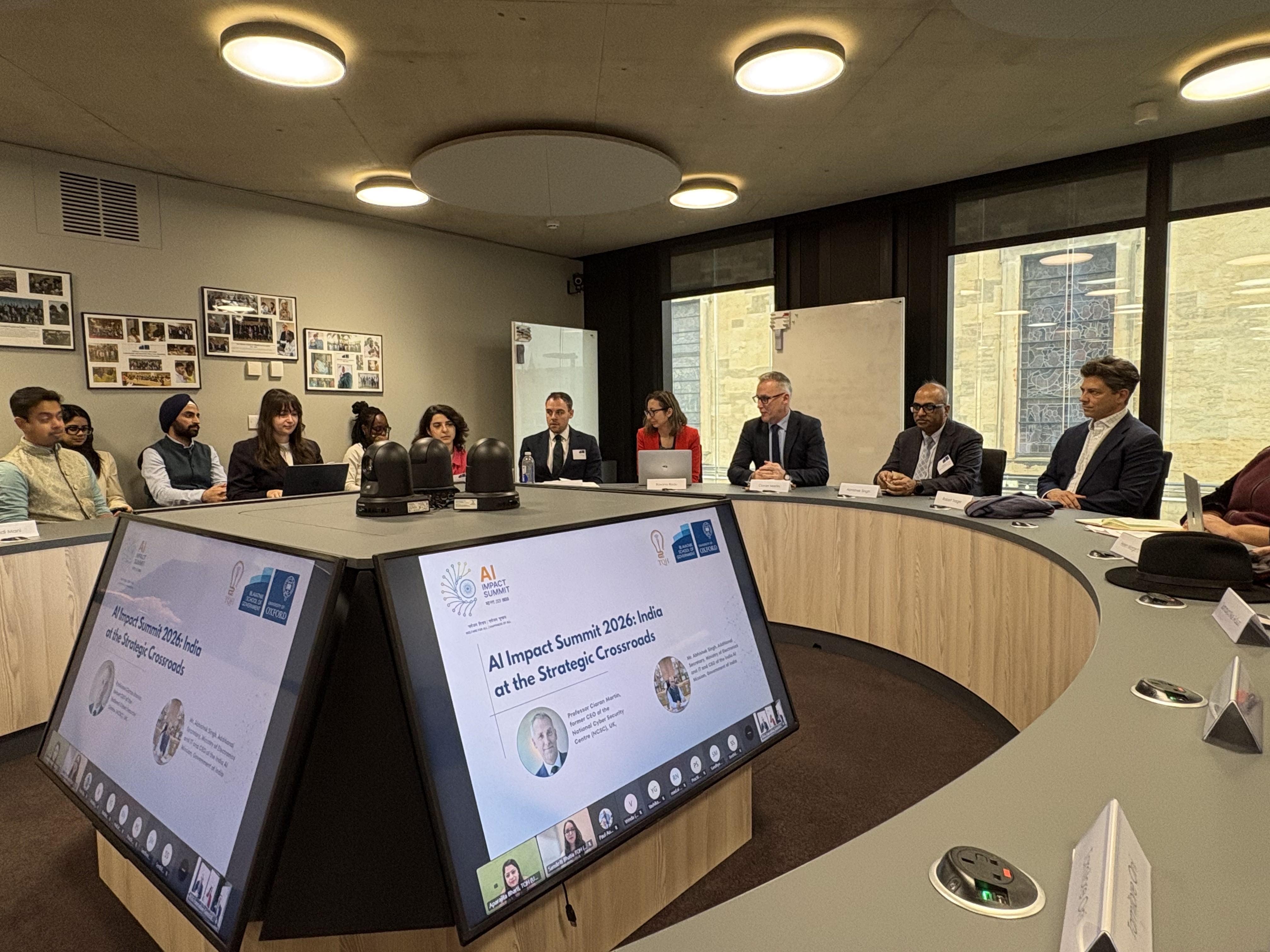
The roundtable aligned with the India AI Impact Summit 2026 themes of People, Planet, and Progress, highlighting India’s leadership in advancing responsible AI governance globally. It examined how AI policies promoted equitable human capital development, drove sustainability and ethical resource management, and strengthened global innovation, security, and cooperation. The session generated a policy brief capturing key insights, frameworks for global AI collaboration, and recommendations to guide future India–UK and international engagements. These outcomes informed deliberations at the India AI Impact Summit 2026 and contributed to shaping multilateral dialogues on AI ethics and governance.
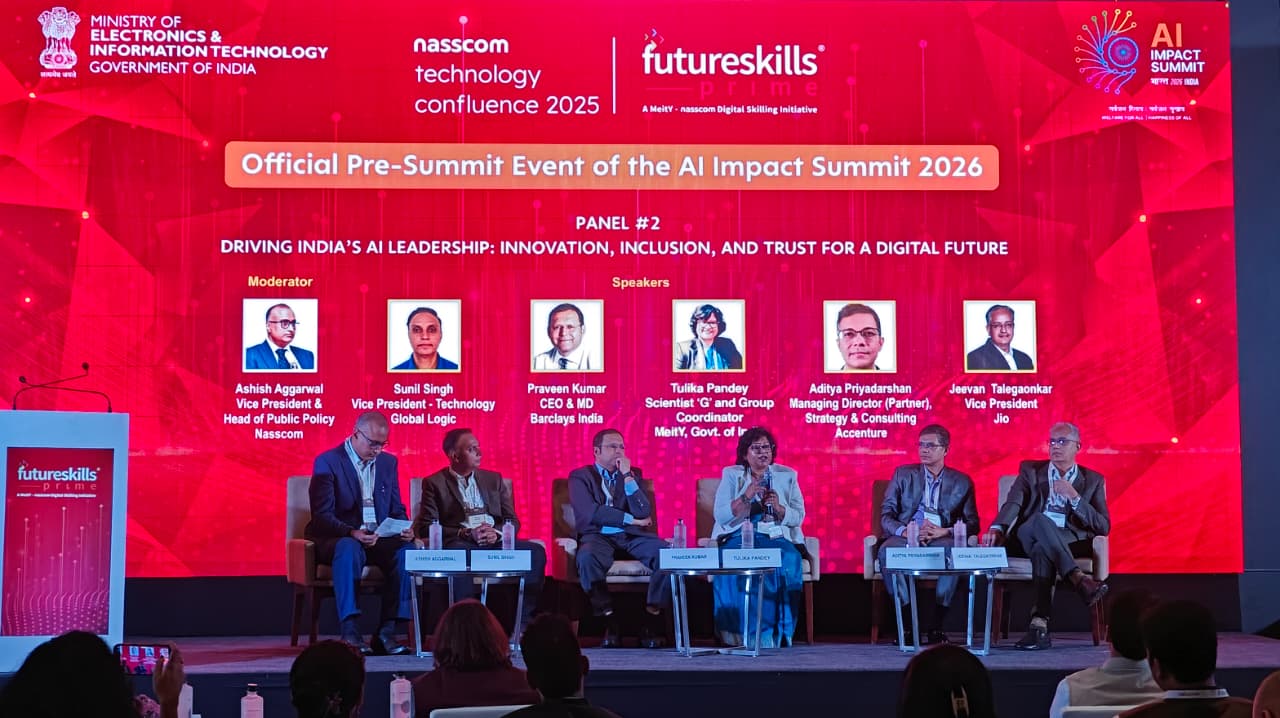
The event united industry leaders, policymakers, innovators, and technologists under the theme “The Era of Intelligent Progress.” This edition explored how AI-driven innovation, human capital development, and collaborative ecosystems were shaping India’s sustainable and inclusive digital future. The panel delved into AI adoption, workforce transformation, and responsible innovation, emphasizing technology’s role in driving both economic growth and social good. With discussions on AI safety, governance, and workforce resilience, the Confluence aimed to strengthen India’s position as a global leader in ethical, human-centered, and future-ready digital transformation.
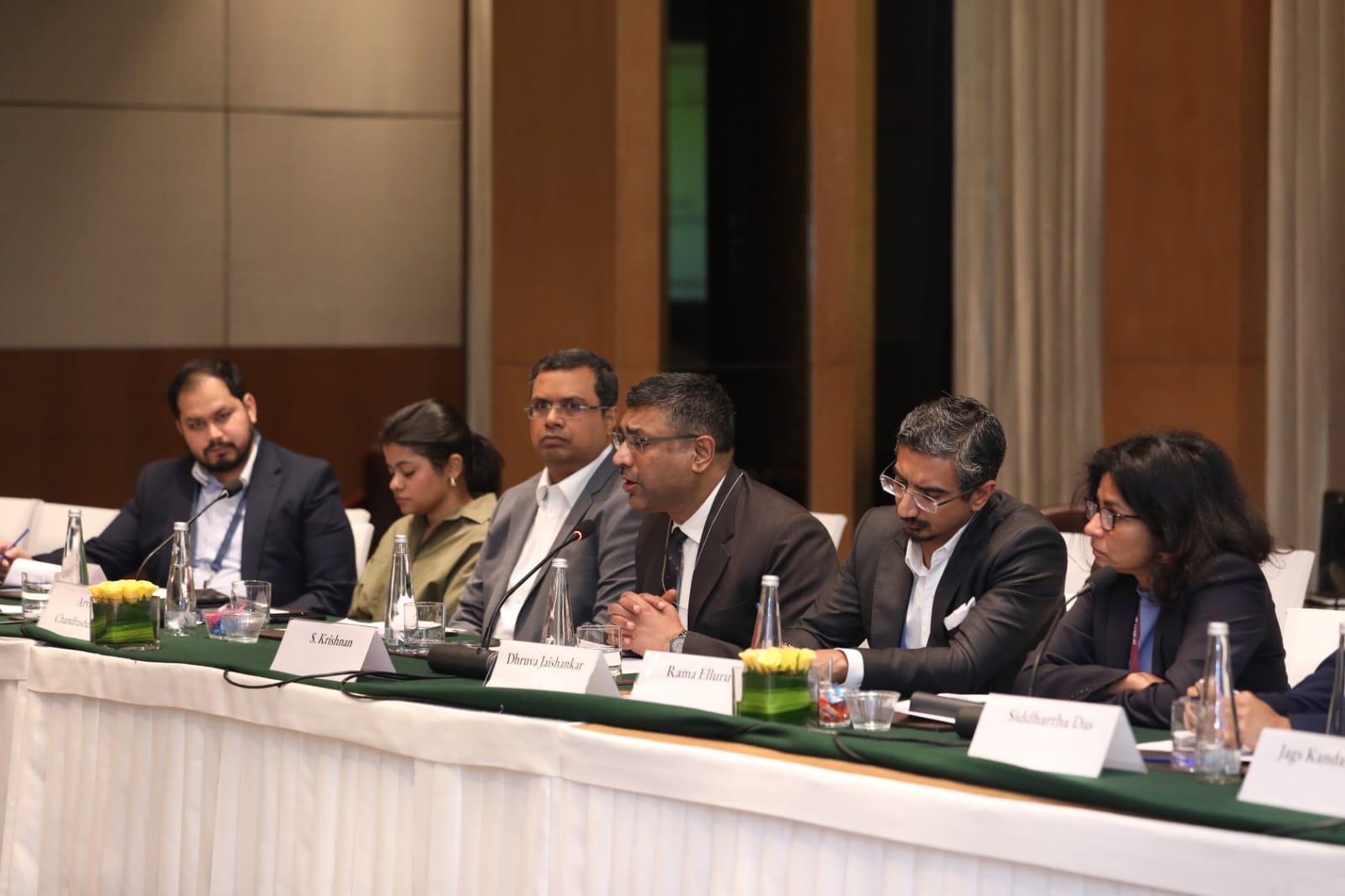
The U.S.–India AI & Technology Cooperation Dialogue, held from November 11 to 13, 2025 at The Oberoi New Delhi, was a high-level conference co-chaired by Mr. Mathew Oommen (India) and Hon. Kenneth Juster (U.S.). It aimed to deepen bilateral collaboration on AI and emerging tech by focusing on strengthening infrastructure, fostering applied AI solutions, building a robust talent pipeline, and aligning ethical AI policies. The dialogue reinforced shared commitments to Safe & Trusted AI, Human Capital, and Resilient Infrastructure, supported by major private investments and academic partnerships. This collaboration created a trusted AI corridor combining India’s talent and infrastructure with U.S. capabilities for responsible AI governance.
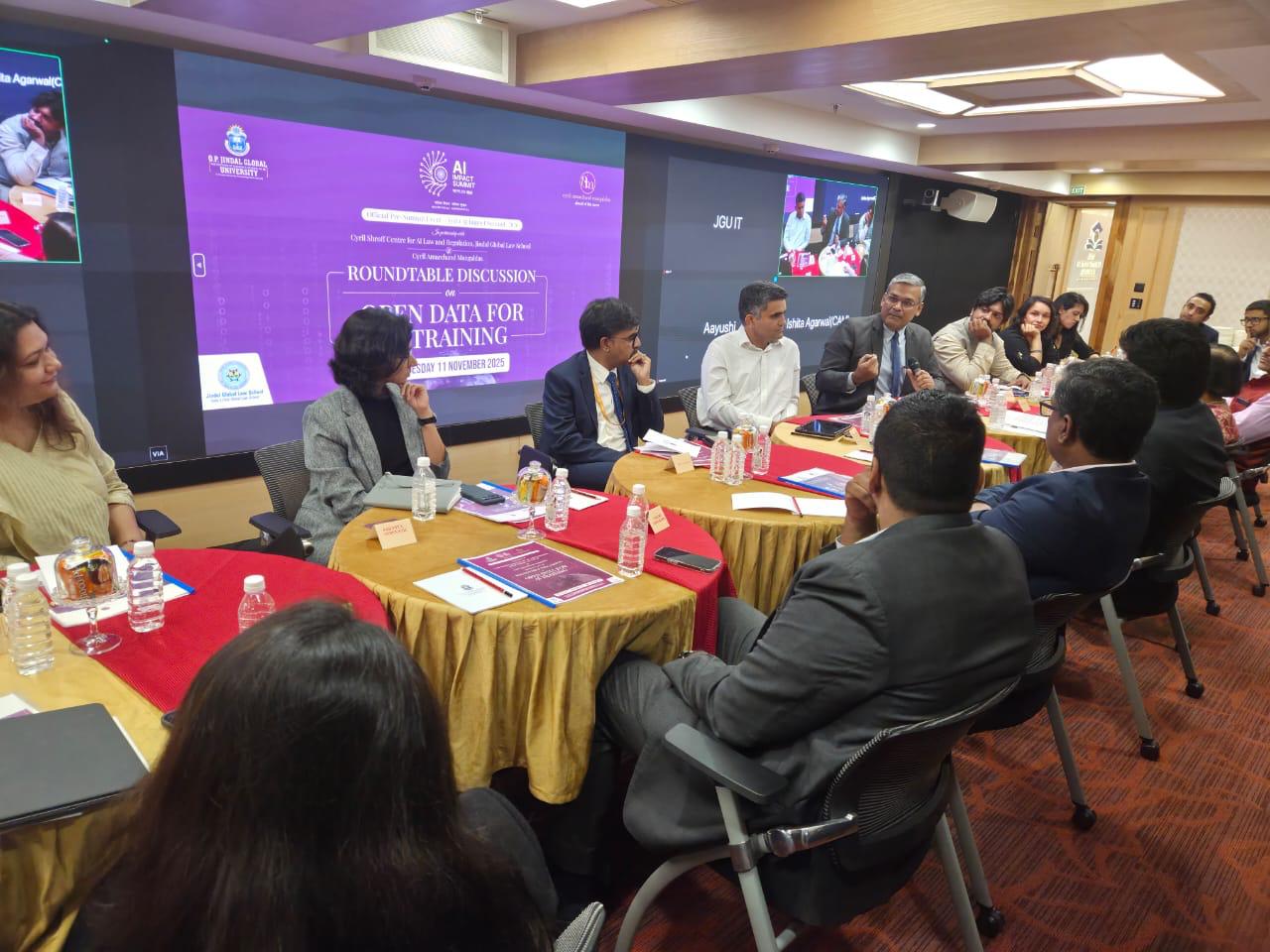
The roundtable held on November 11, 2025, at Taj Mahal, New Delhi, focused on developing a National Digital Data Marketplace (NDDM) as a government-facilitated platform for secure, transparent buying and selling of datasets. The discussion involved government, industry, academia, and civil society stakeholders exploring themes like data democratization, sovereignty, ethical AI, and governance. Building on existing initiatives such as NDAP and Open Government Data Platform, the roundtable aimed to define the purpose, governance, and key use cases of the NDDM across sectors like health, agriculture, climate, and urban mobility, aligning policy and privacy principles with the DPDP Act. It was hosted by Cyril Amarchand Mangaldas.
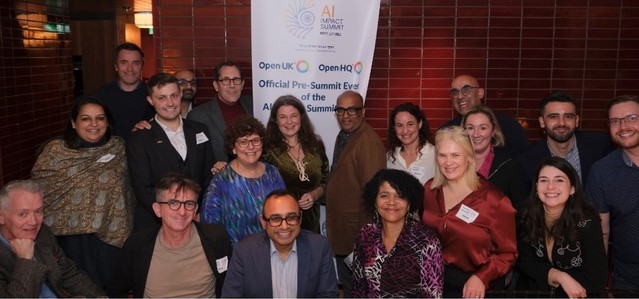
The Road to the AI Action Summit Roundtable, held on November 10, 2025, in London, convened enterprise leaders, open-source contributors, policymakers, and academics to discuss the role of openness in AI for innovation, inclusion, and safe adoption. Hosted by OpenUK, the in-person event promoted cross-sector and UK–India collaboration on responsible AI governance, feeding local insights into the global AI Impact Summit agenda. Key outcomes included a joint AI Openness report and strengthened UK–India partnerships to advance open, inclusive, and impactful AI ecosystems.
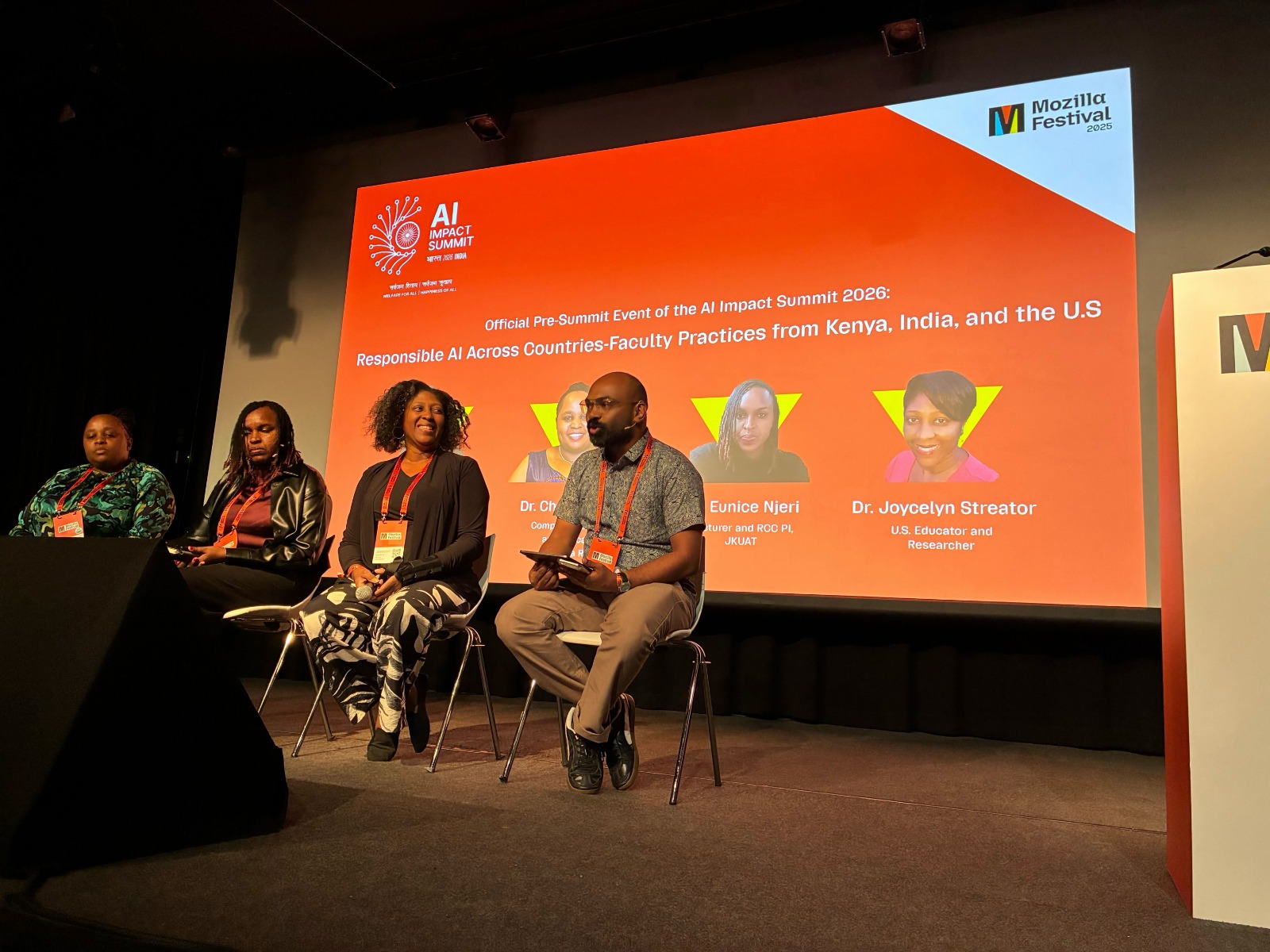
The Mozilla Festival (MozFest) 2025 session titled “Responsible AI Across Countries – Faculty Practices from Kenya, India, and the U.S.,” held on November 8, 2025, in Barcelona, focused on practical, low-compute methods for integrating Responsible AI into higher education curricula. Faculty from the three countries shared approaches including multilingual access, lightweight evaluation frameworks, and AI-ready pedagogy aligned with NEP 2020 and digital inclusion. The session supports the AI Impact Summit’s pillars on Human Capital, Inclusion, Safe & Trusted AI, Science, and Democratizing AI Resources, aiming to foster inclusive, equitable AI education worldwide.
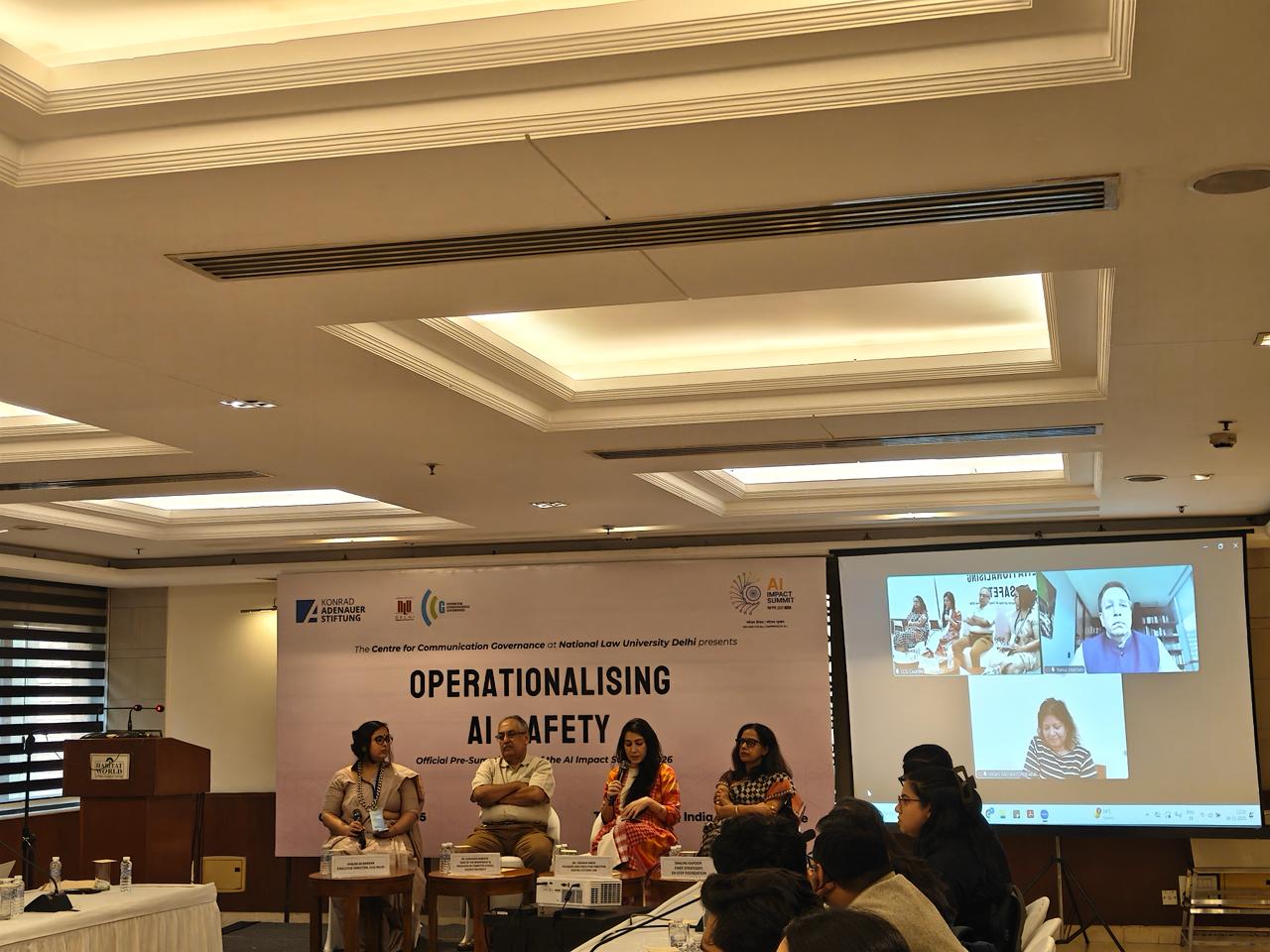
The "Operationalising AI Safety" panel discussion held on November 6, 2025, at India Habitat Centre, New Delhi, focused on advancing AI safety governance and the role of AI Safety Institutes (AISIs) in the Global South. Featuring keynote addresses, a report launch by CCG, and a panel with experts from government, academia, and civil society, the event explored mechanisms for AI risk mitigation, inclusive governance, and indigenous safety approaches. It aimed to build a multi-stakeholder network to strengthen AI safety capacity and inform global safe AI frameworks with perspectives from the Global South. Hosted by the Centre for Communication Governance at National Law University Delhi.
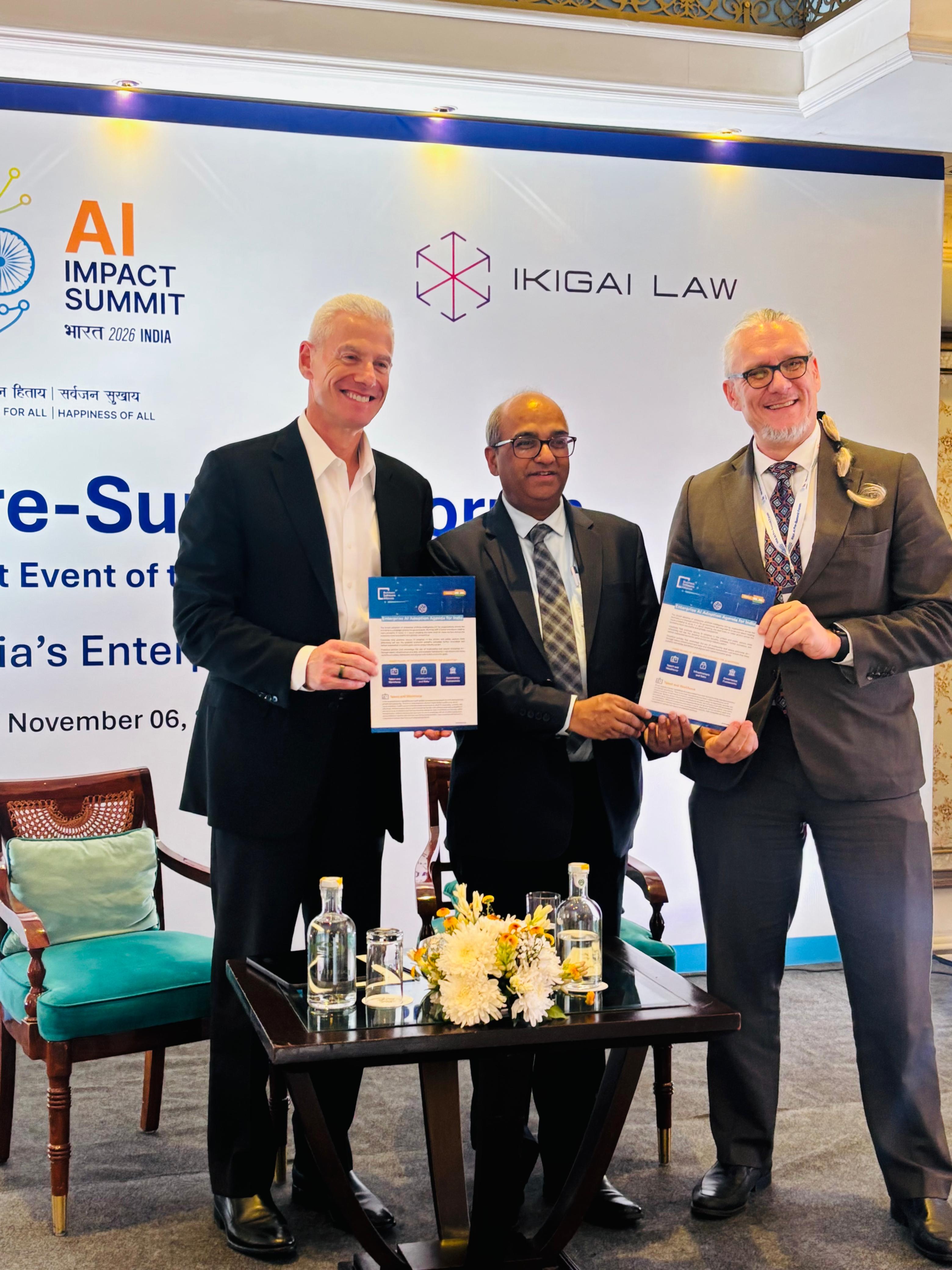
The BSA AI Pre-Summit Forum on November 6, 2025, at The Claridges, New Delhi, highlighted enterprise AI’s transformative potential in India’s public sector and workforce development. The hybrid event convened policymakers, industry leaders, and think tanks to launch the Enterprise AI Adoption Agenda, promoting responsible AI governance, talent skilling, and inclusive digital innovation. With global participation and sector-specific discussions, the Forum reinforced India’s leadership in safe, trusted, and impactful AI adoption.
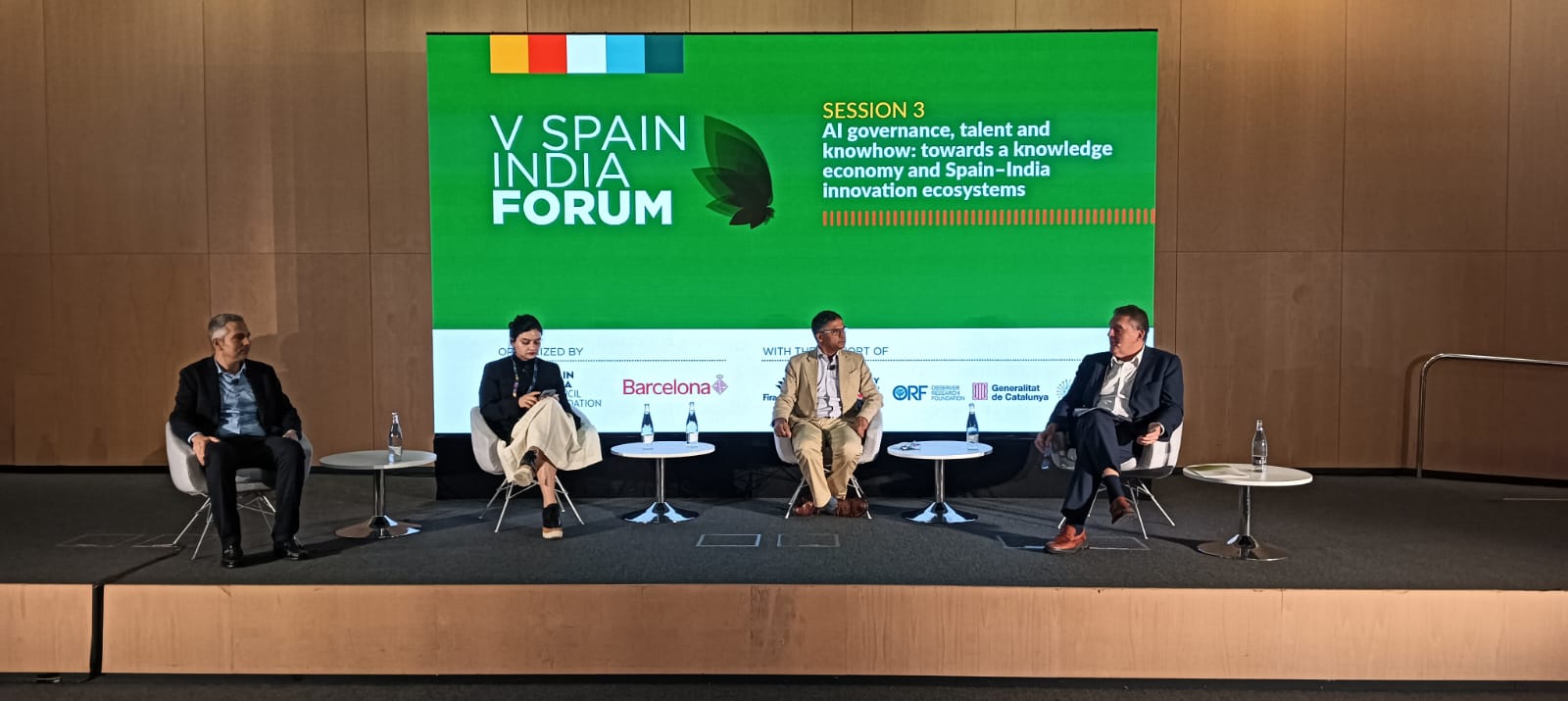
The “AI Governance, Talent and Knowledge: Towards a Knowledge Economy and Spain–India Innovation Ecosystems” roundtable, held on November 5, 2025, at the Smart City Expo World Congress in Barcelona, convened leaders from academia, institutions, startups, and policymakers from India and Spain. The discussion focused on enhancing AI governance and talent development to bolster innovation ecosystems and promote inclusive, sustainable growth within the global knowledge economy. The roundtable fostered bilateral collaboration, best practice exchange, and policy pathways to strengthen the India–Spain AI partnership.
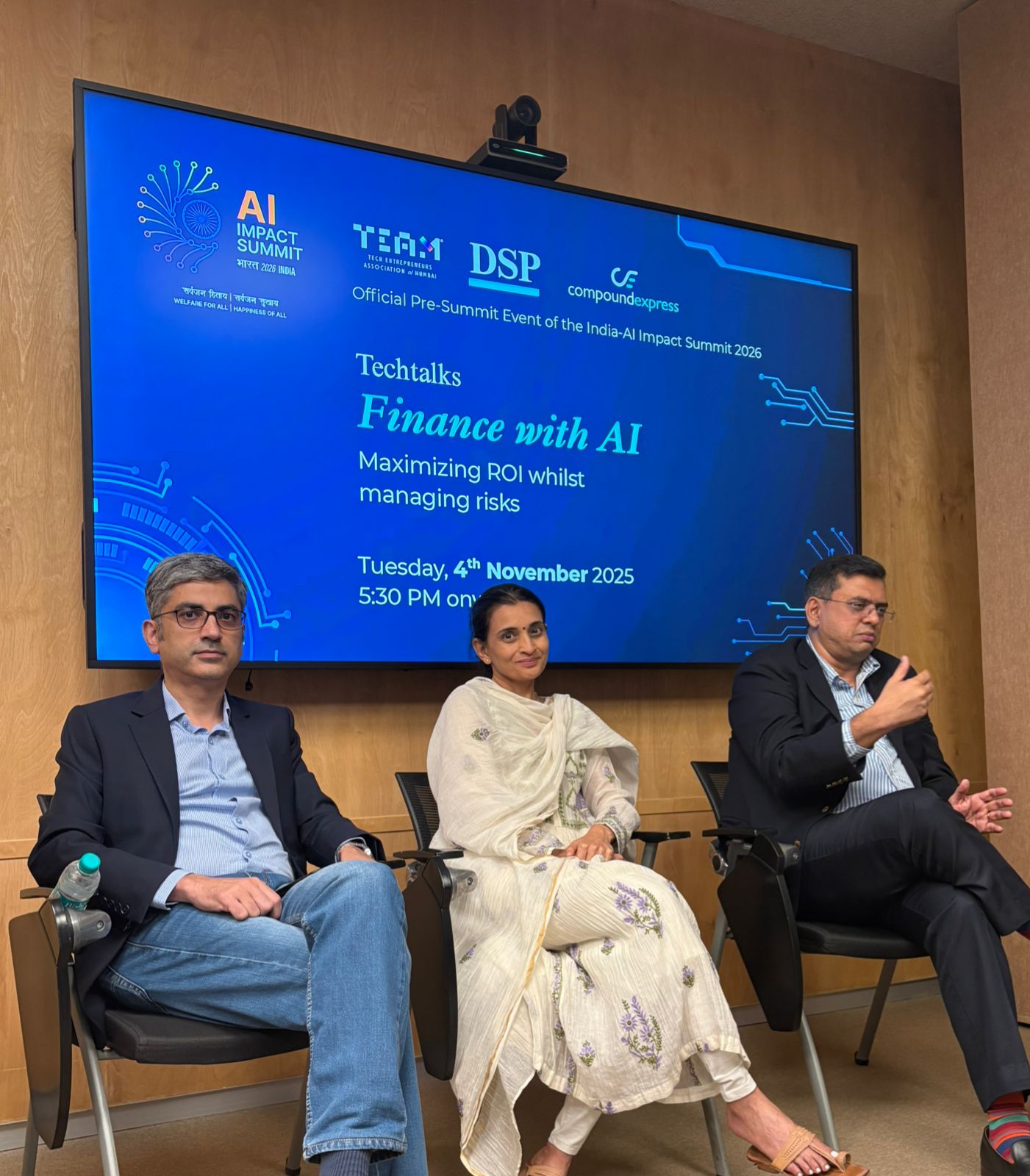
The “Finance with AI: Maximizing ROI Whilst Managing Risks” panel, held in Mumbai on November 4, 2025, brought together fintech founders, AI experts, and finance professionals to explore real-world applications of AI in wealth management, investing, and risk mitigation. Participants discussed how responsible AI adoption is moving finance beyond risk avoidance to measurable value creation and enhanced trust, while offering practical strategies for implementing safe and profitable AI solutions in the sector. The event fostered collaboration and insights for scaling trustworthy AI across India’s financial ecosystem.
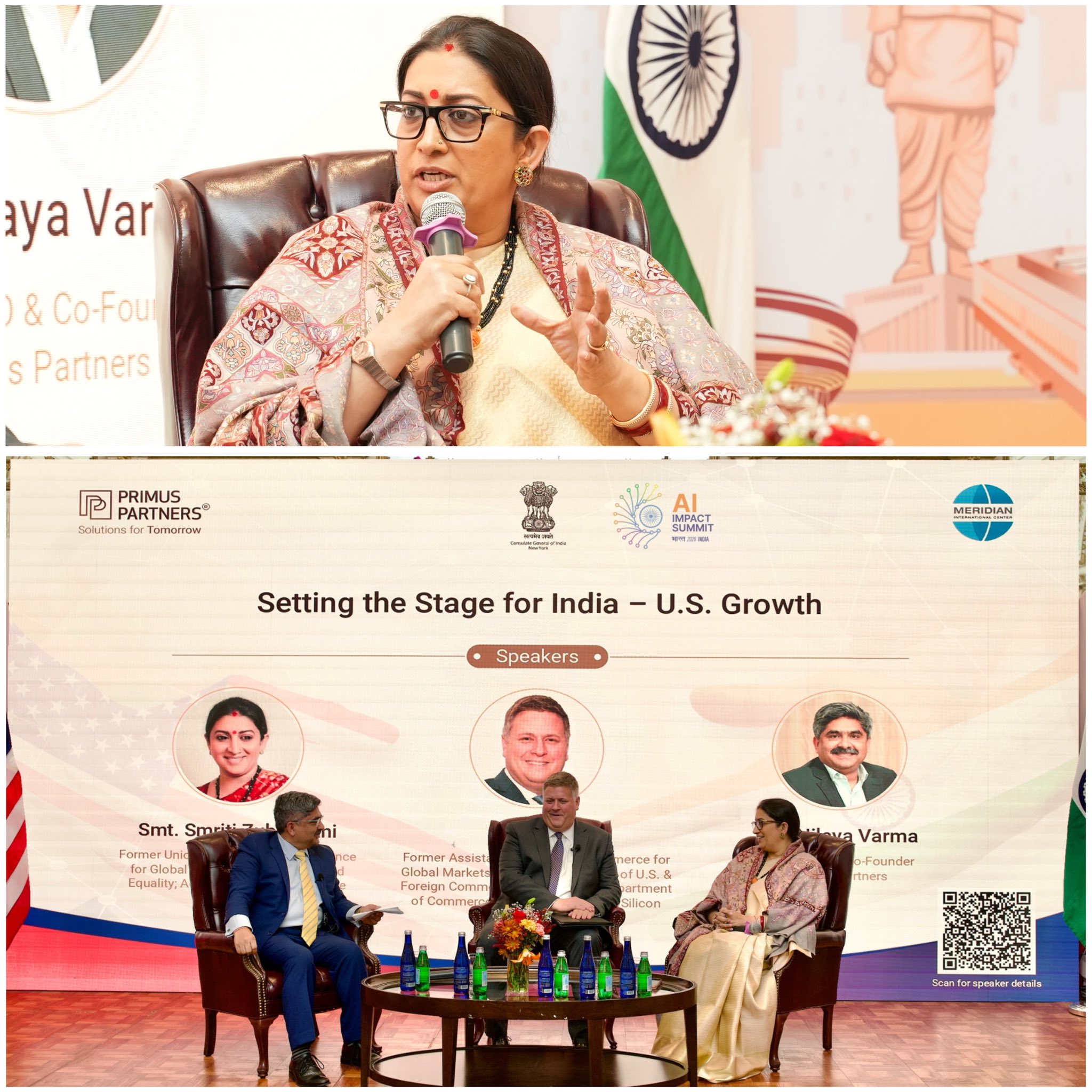
On October 29, 2025, Primus Partners Private Limited hosted “From Traction to Transaction: Bridging the Gap,” a high-level roundtable at the Consulate General of India in New York, gathering senior leaders from government, industry, and academia across India and the U.S. to move from strategic intent to actionable partnership. With themes spanning Mission 500 trade goals, education mobility, and AI governance, participants explored practical mechanisms for bilateral innovation, investment, and digital standards leadership. The session’s focus on Safe and Trusted AI positioned India–U.S. collaboration as a model for ethical governance and cross-border deeptech growth.
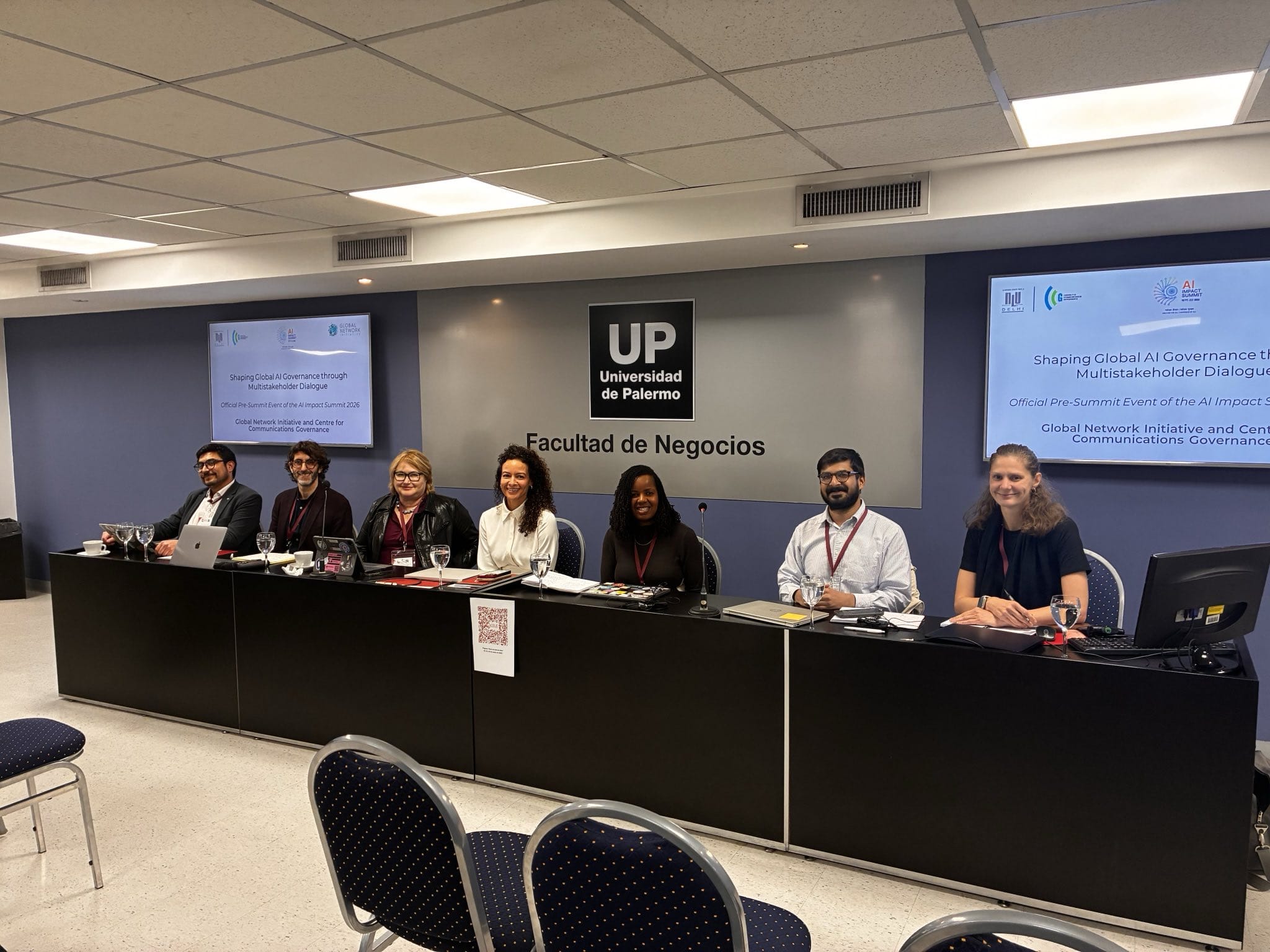
The “Shaping Global AI Governance Through Multistakeholder Dialogue” roundtable, held on 24 October 2025 at Universidad de Palermo in Buenos Aires, brought together leaders from Latin America, Africa, and Asia to advance inclusive, democratic participation in global AI decision-making. Co-hosted by the Global Network Initiative (GNI) and the Centre for Communication Governance (CCG) at National Law University Delhi, the event fostered actionable, bottom-up insights to inform the India AI Impact Summit agenda and broader policy processes. The session promoted equitable representation for the Global Majority, strengthening networks for cross-regional collaboration in AI governance.
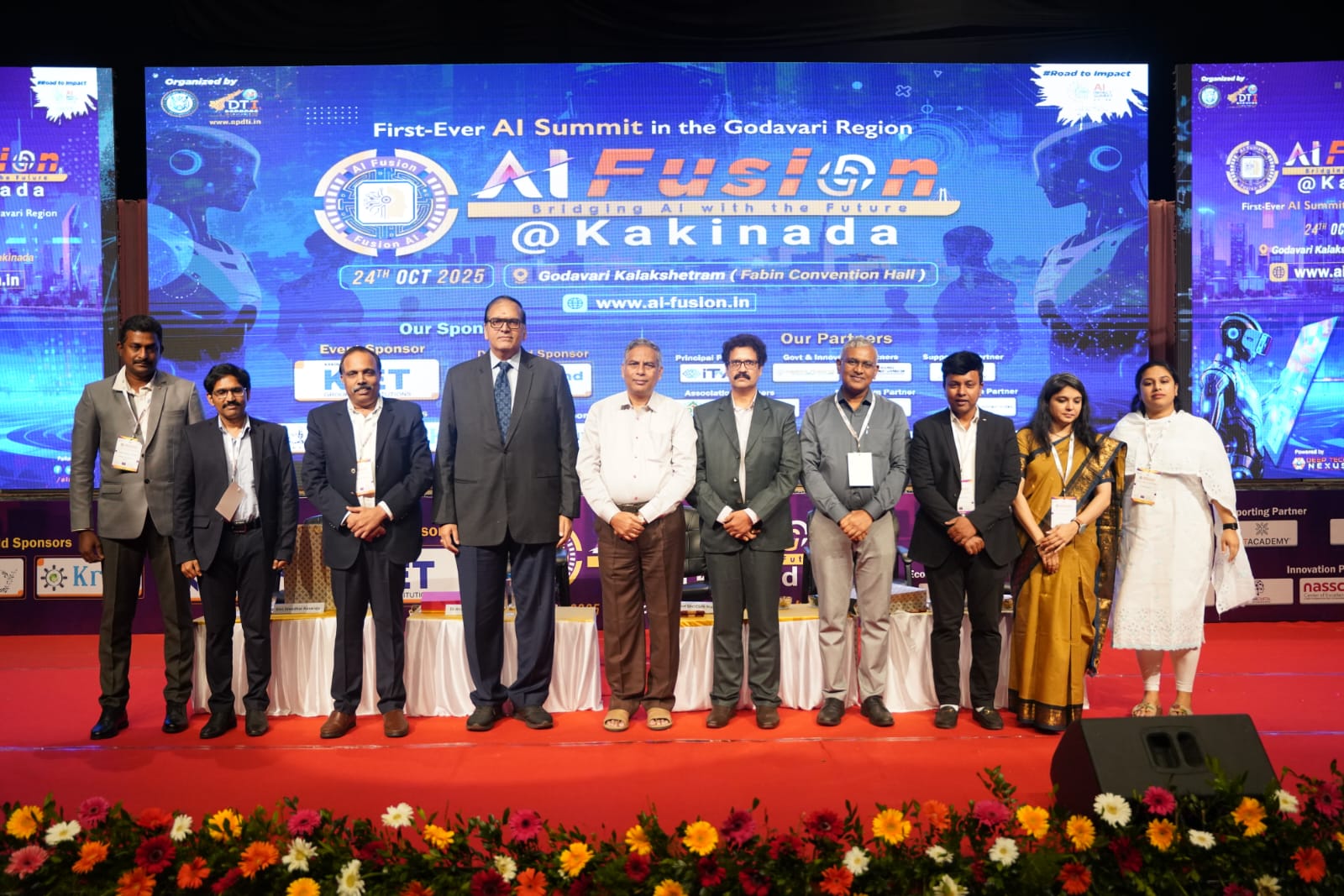
AI Fusion @ Kakinada 2025 marked the first major AI summit in the Godavari region, uniting innovators, startups, industry leaders, and policymakers to explore artificial intelligence's transformative power beyond India's metro cities. Hosted by the DeepTech Naipunya Foundation, the conference spotlighted inclusive innovation, human capital development, and ethical AI adoption—positioning Kakinada as a rising hub for India's AI-driven regional transformation.

The session “Establishing AI Risk Thresholds: A Critical Global Policy Priority” was held virtually as part of UC Berkeley’s Tech Policy Week 2025. Organized by the Center for Long-Term Cybersecurity (CLTC), it convened global experts to discuss defining AI safety thresholds and “red lines” in governance, addressing risks from bias to potential misuse in cyber and bio domains. The dialogue advanced research-policy collaboration, offering frameworks for safe and trusted AI while reinforcing international momentum toward responsible technology governance.
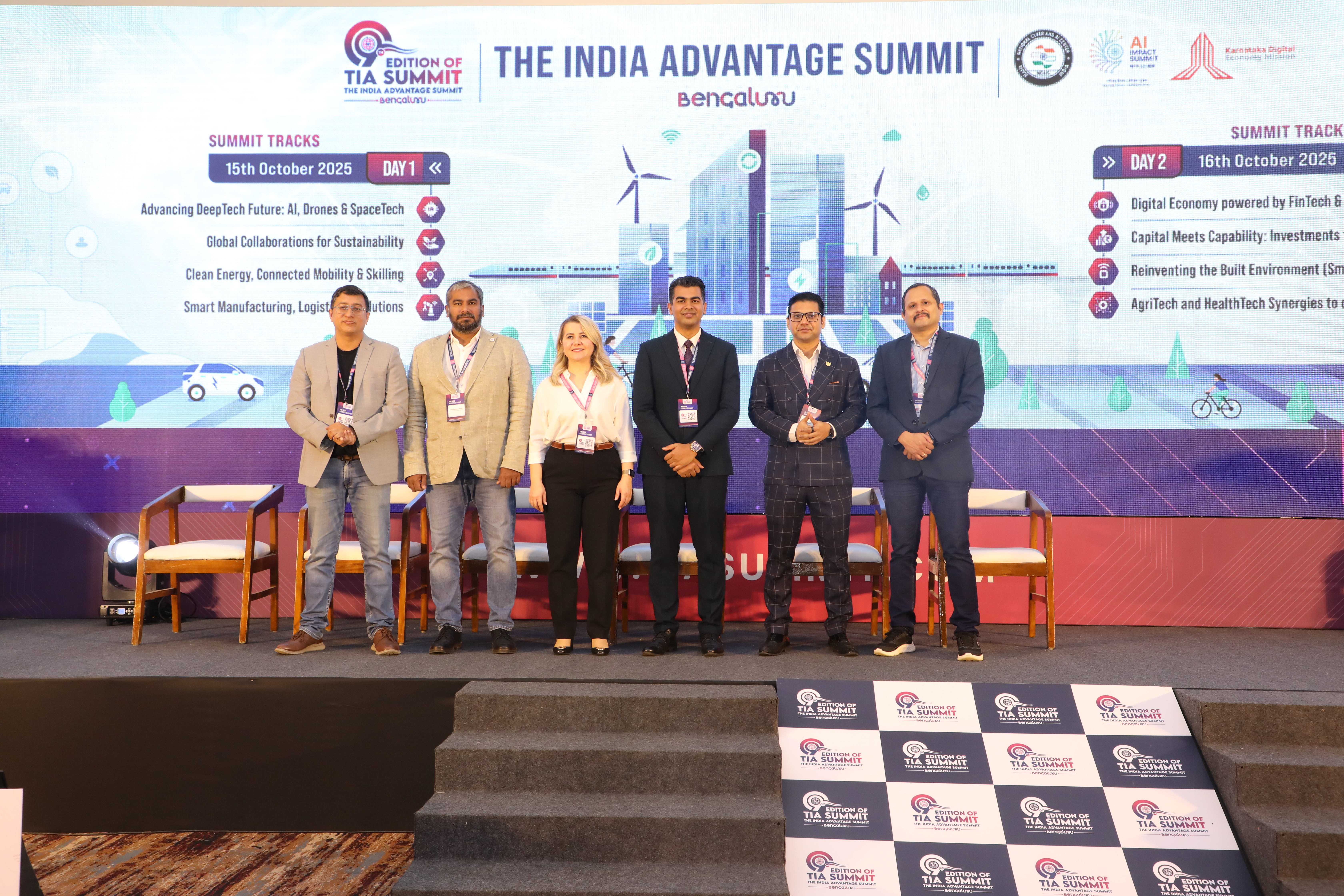
The roundtable “Securing India’s AI Future: A Roundtable on Safe & Trusted AI Governance” convened senior government officials, industry leaders, military experts, academics, and AI ethicists for a focused dialogue on AI risk assessment, adversarial robustness, and ethical guidelines in critical sectors. The event addressed key policy and technical gaps in AI safety and resilience, generating actionable recommendations for a national framework that prioritizes accountability, security, and responsible innovation. Outputs included concrete policy briefs and roadmaps designed to advance safe AI development for national security and infrastructure protection, aligned with the India AI Impact Summit’s themes of People, Planet, and Progress.
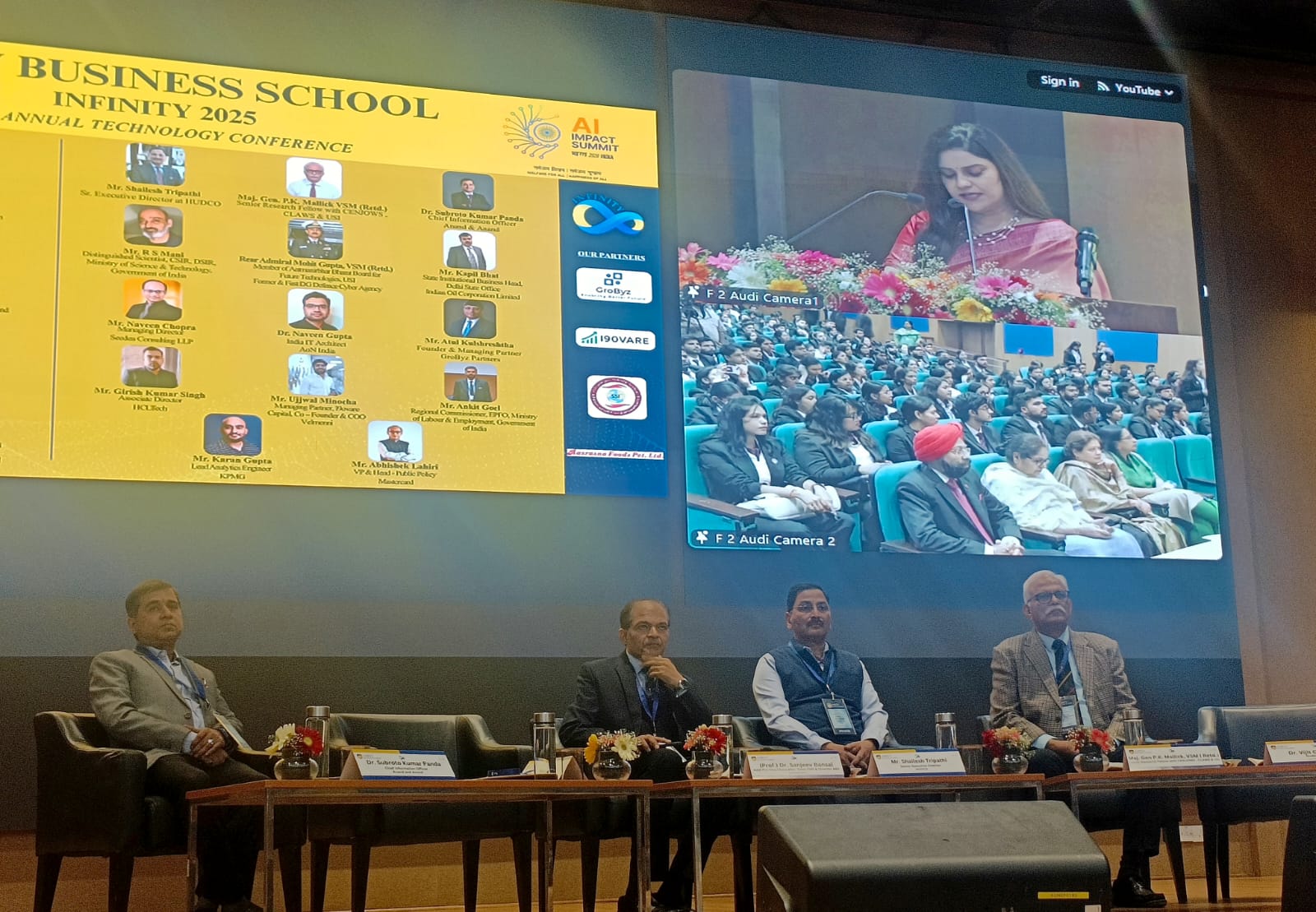
The INFINITY 2025 conference at Amity Business School, Amity University Noida, focused on "Humanizing AI," emphasizing ethical intelligence, responsible innovation, and resilient systems. It served as a platform for government officials, industry experts, policymakers, and students to discuss AI governance, inclusivity, and user privacy. The event aligned closely with the India–AI Impact Summit 2026 themes of human-centered AI and sustainable digital ecosystems.
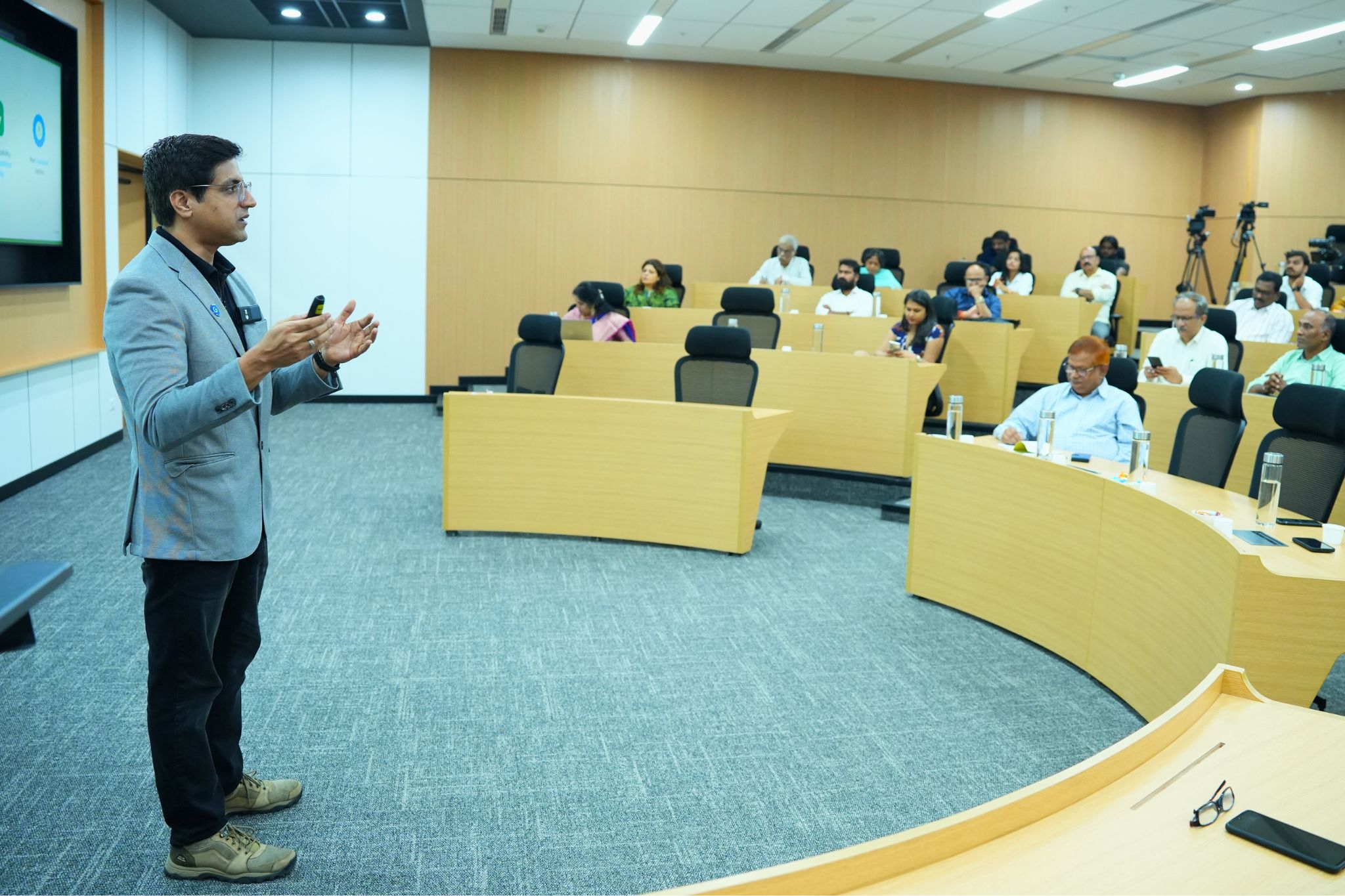
The "Cyber First Responders: Fighting Misinformation & Fake News in the Digital Age" workshop was hosted by ISB Hyderabad and CyberPeace Foundation as a pre-summit event for the India–AI Impact Summit 2026. The workshop equipped journalists, influencers, and policy professionals with practical skills and AI tools to detect and counter misinformation, deepfakes, and fake news, aiming to strengthen digital trust and promote ethical media practices in India. This initiative aligned closely with the Summit’s themes of safe, ethical, and inclusive AI.
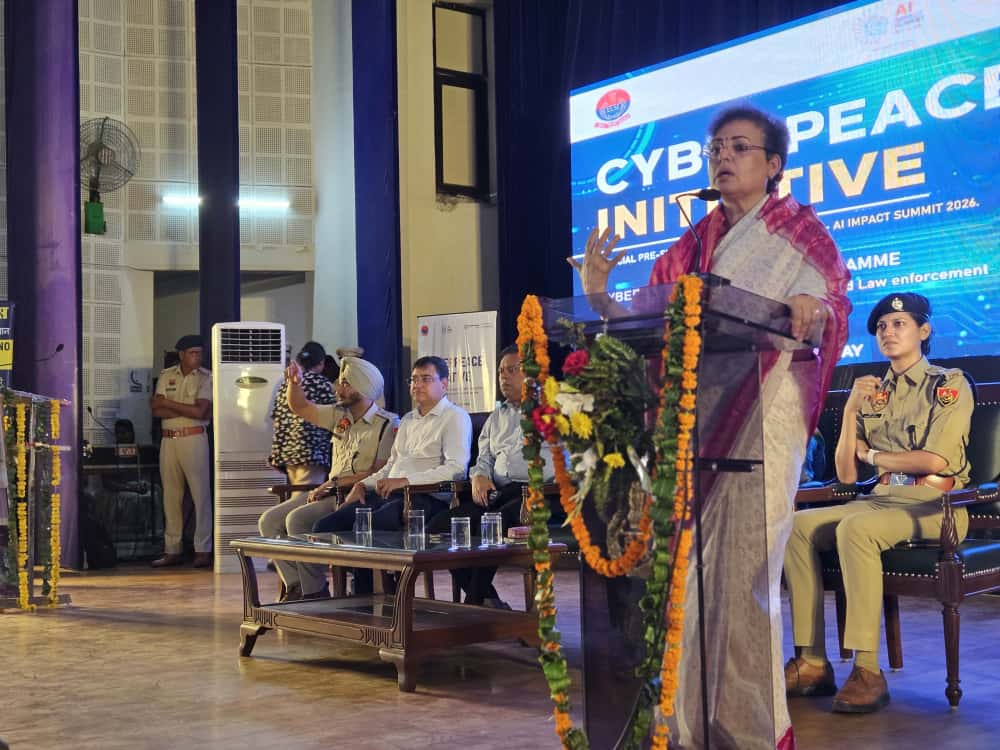
The event focused on empowering citizens with digital literacy, cyber safety, and responsible AI awareness. The workshop brought together communities, policymakers, and industry leaders to strengthen inclusion, build resilience against cyber risks, and promote equitable access to AI knowledge and resources.
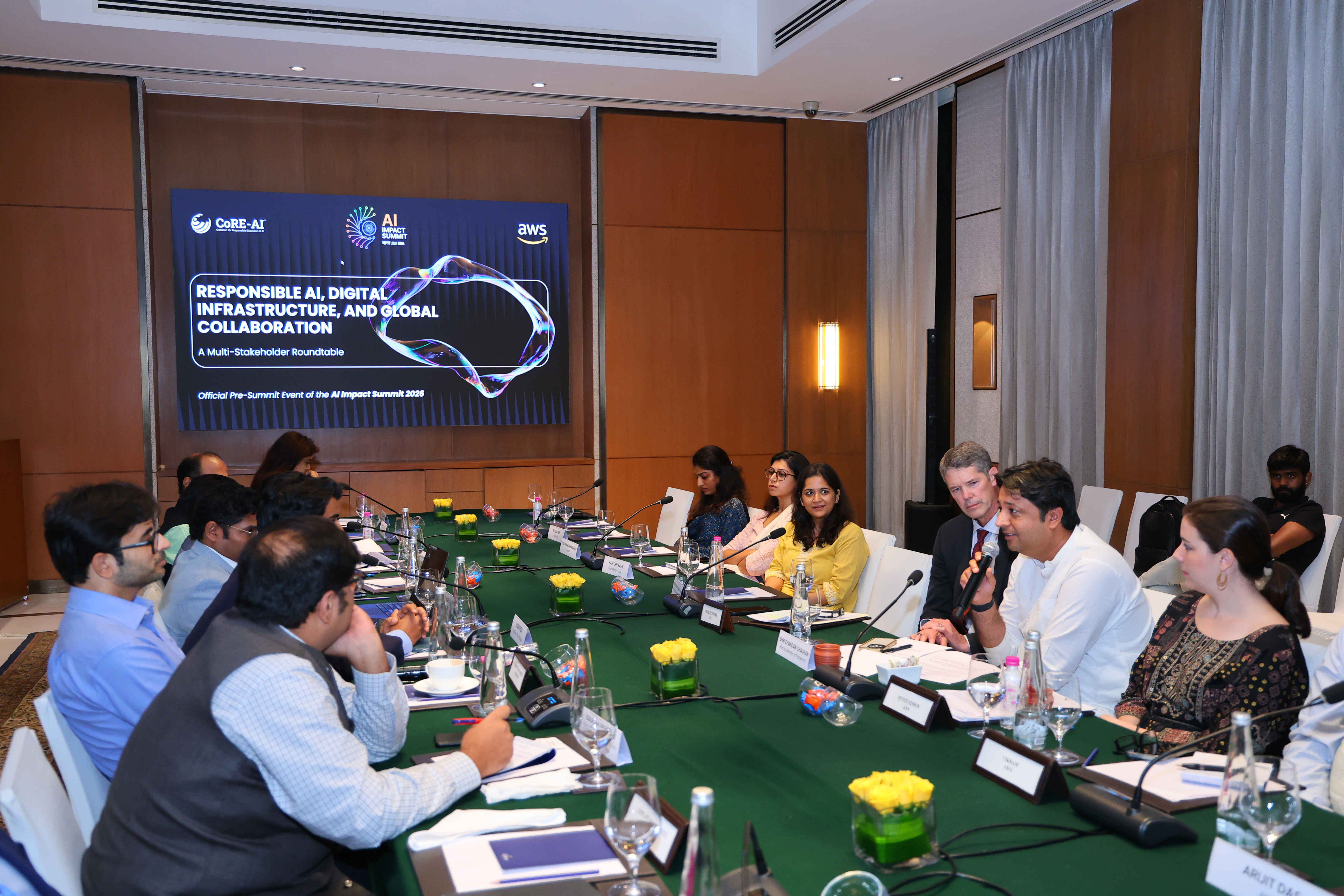
The AWS roundtable on Responsible AI, Digital Infrastructure, and Global Collaboration explored how India can advance responsible AI as a model for the Global South. Discussions focused on scalable digital infrastructure, enabling global collaboration for Indian startups, and policy measures to support inclusive and internationally connected AI innovation ahead of the India–AI Impact Summit 2026.

In alignment with the AI Impact Summit 2026 vision, Software Technology Parks of India (STPI) Bhopal organized Official Pre-Summit Event of the AI Impact Summit 2026 on 19th September 2025 at Hotel Courtyard Marriott, Bhopal under the theme “AI for Governance and Agriculture”. The participants of the event delibereated about the upcoming AI summit and it’s impact on the start-up ecosystem of the nation. The event highlighted the significance of artificial intelligence in shaping India’s future across sectors like healthcare, education, manufacturing, governance, and cybersecurity. Participants exchanged ideas on emerging AI trends, opportunities for innovation, ethical challenges, and India’s role in becoming a global AI hub. The discussion also emphasized collaboration between government, industry, and academia to drive sustainable growth and ensure responsible adoption of AI technologies.
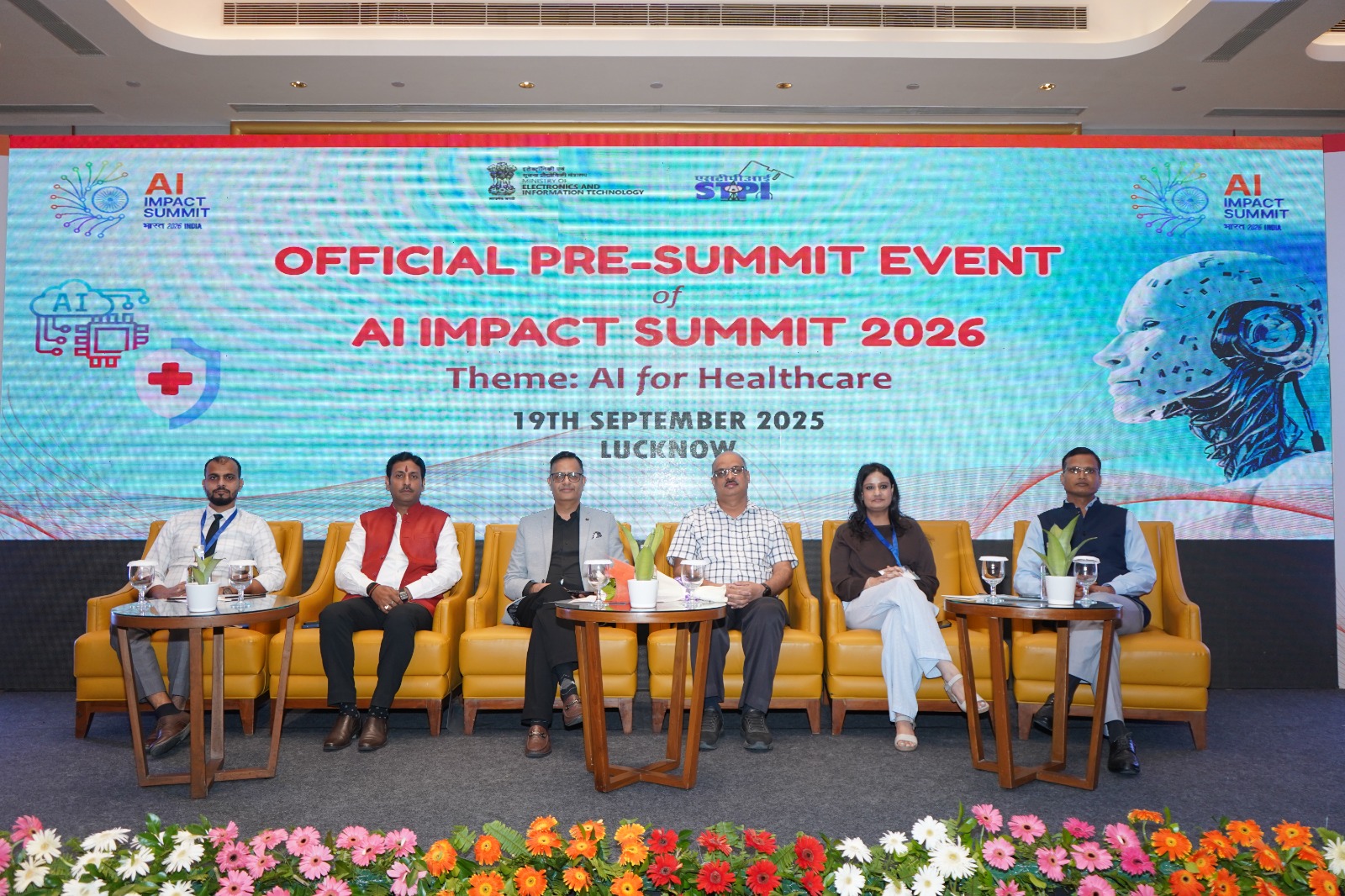
In alignment with the AI Impact Summit 2026 vision, Software Technology Parks of India (STPI) Lucknow organized Official Pre-Summit Event of the AI Impact Summit 2026 on 19th September 2025 at Hotel Taj Mahal, Lucknow, under the theme "AI for Healthcare".
The session brought together experts, innovators, researchers, and startup founders to discuss the transformative potential of AI in healthcare — from diagnostics and predictive analytics to digital health governance and ethical AI frameworks. The deliberations emphasized the importance of responsible AI adoption, data protection, and regulatory frameworks that enable innovation while ensuring patient safety and privacy.
By convening thought leaders and stakeholders from across academia, startups, and policy domains, the Pre-Summit Event contributed valuable perspectives and actionable recommendations for the upcoming India AI Impact Summit 2026.
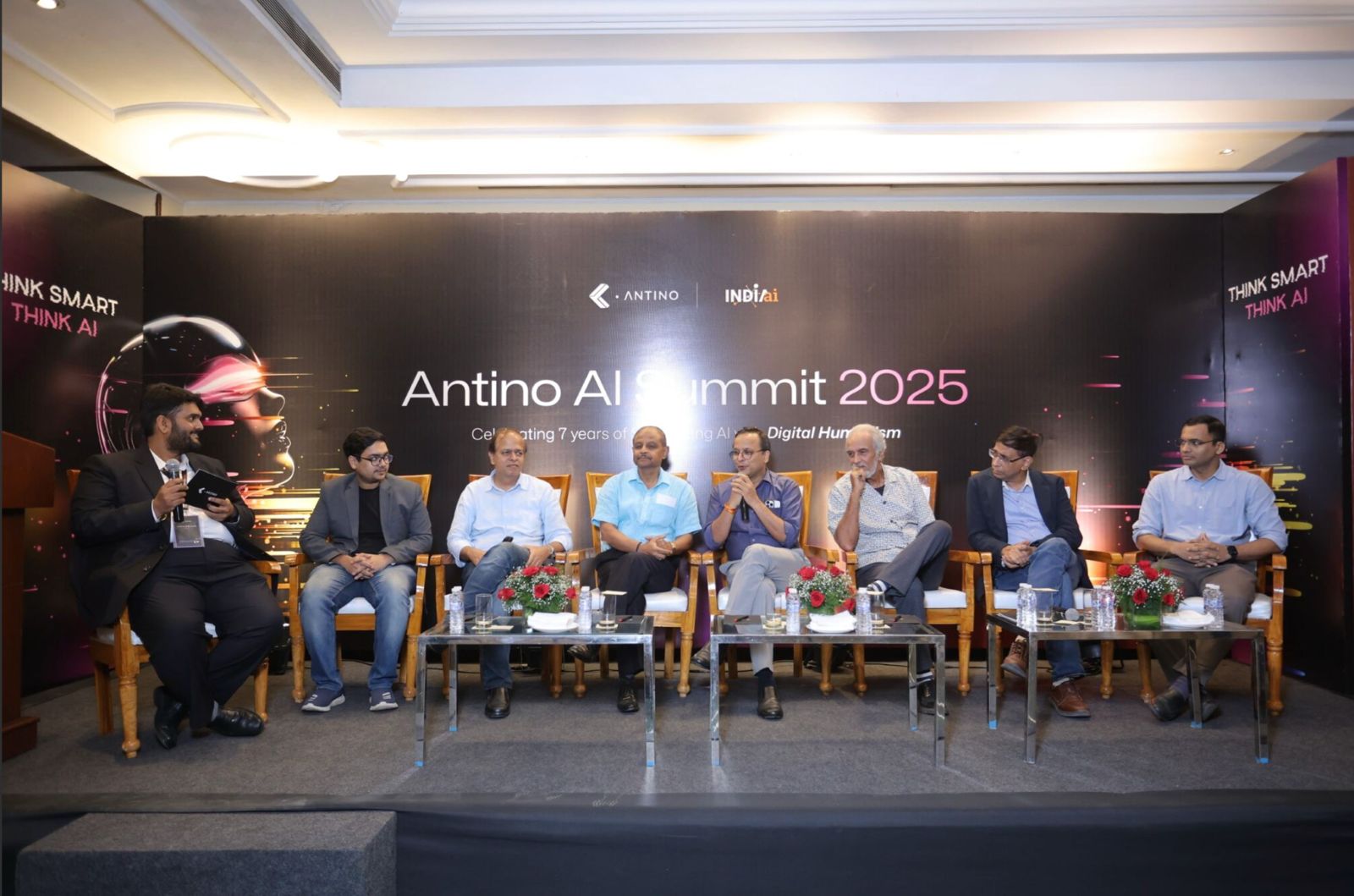
The Antino AI Summit 2025, themed Synergizing AI with Digital Humanism, explored how AI can drive social good while remaining safe, inclusive, and human-centered. Through keynotes, panels, and startup showcases, participants discussed workforce transformation, democratizing AI access, and ethical practices, fostering collaboration and actionable insights for responsible AI adoption.
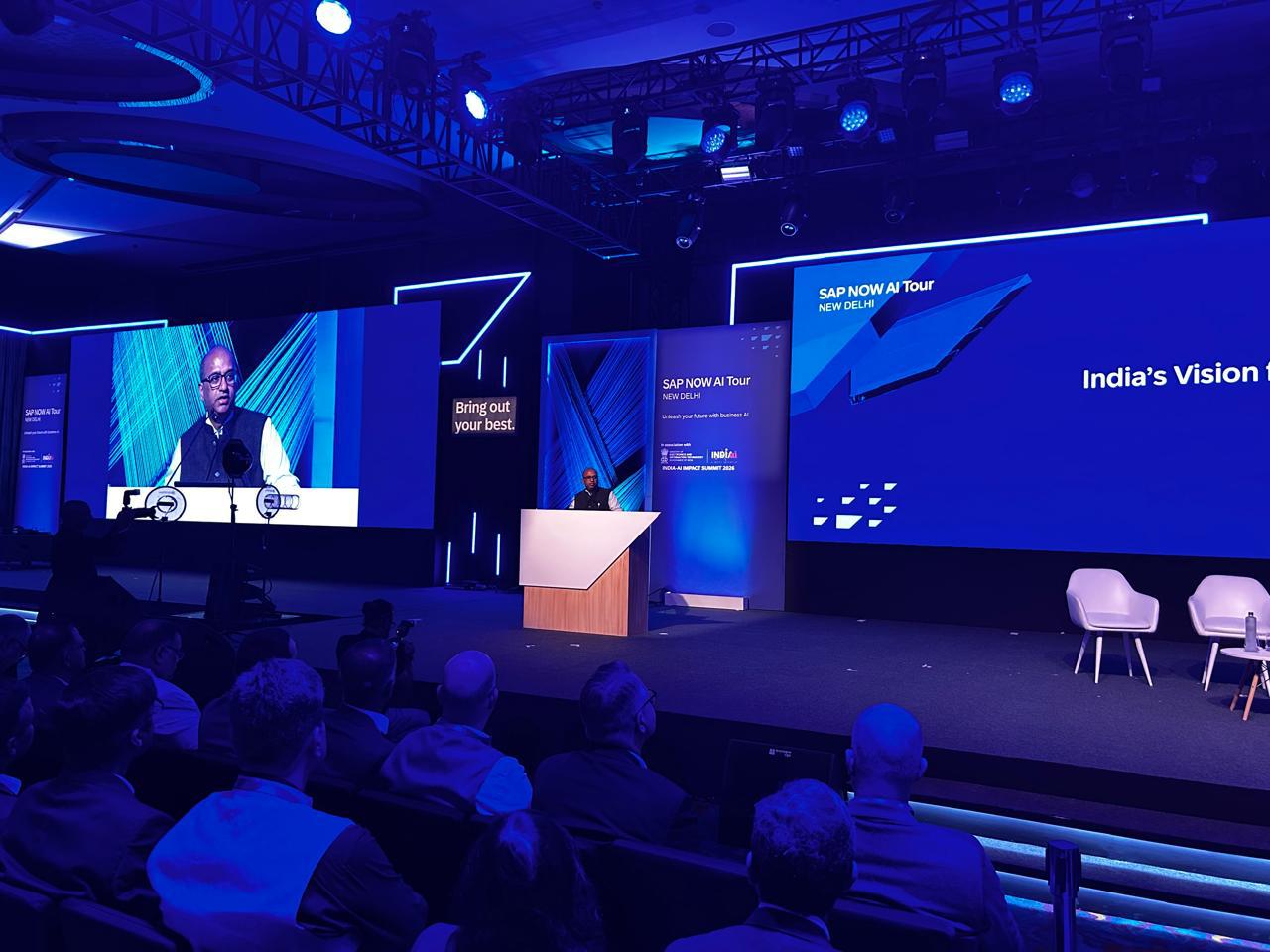
The SAP NOW AI Tour in New Delhi demonstrated how AI can strengthen human capital, promote inclusion, and support safe, trusted, and socially beneficial applications of technology.
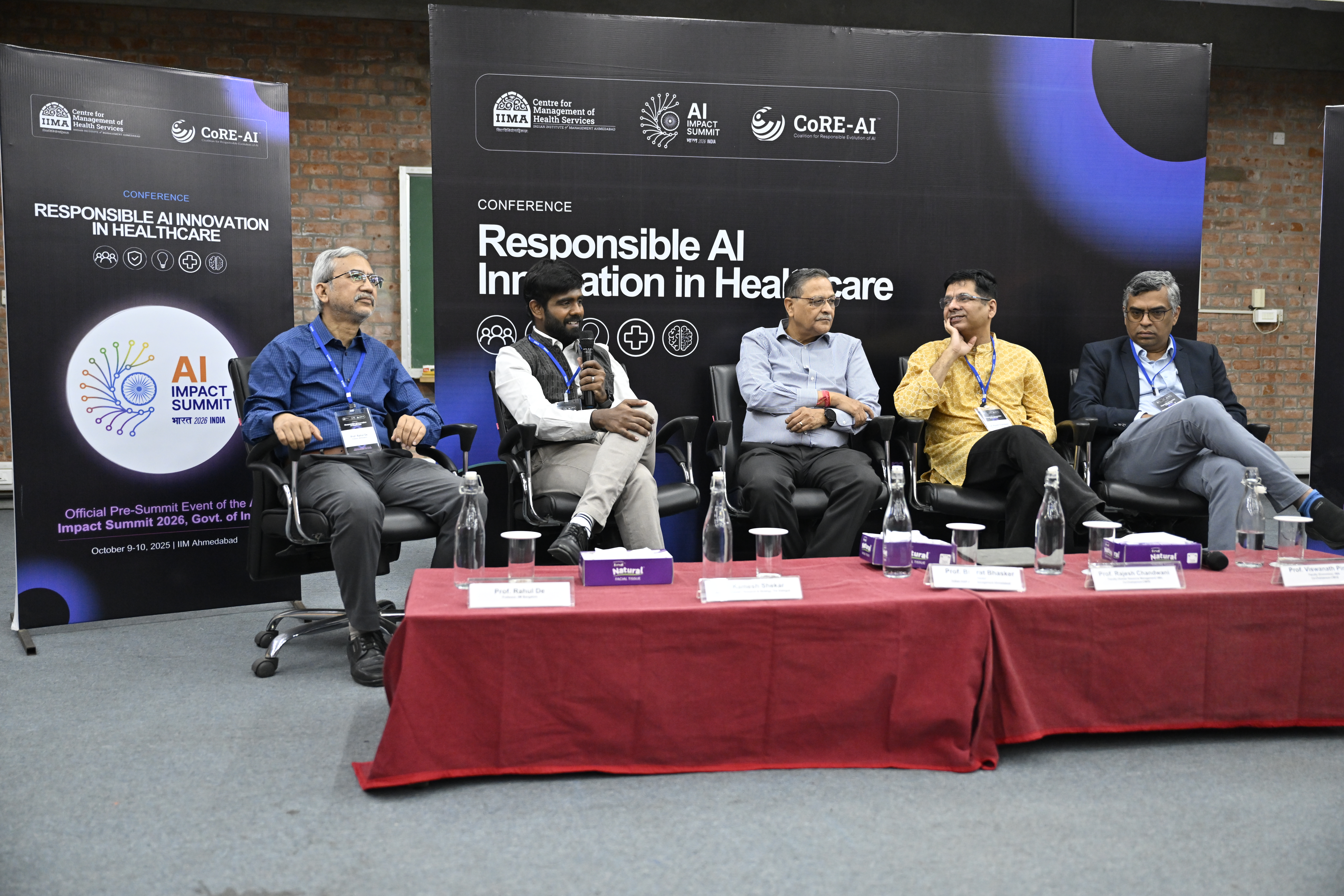
The “Responsible AI Innovation in Healthcare” conference, organized by IIM Ahmedabad in collaboration with CoRE-AI and the Ministry of Electronics and Information Technology brought together doctors, healthcare administrators, technologists, policymakers, and academics to discuss the safe and effective integration of AI into India’s healthcare ecosystem. It highlighted India-centric innovations while drawing from global best practices, underscoring the transformative potential of AI in healthcare.
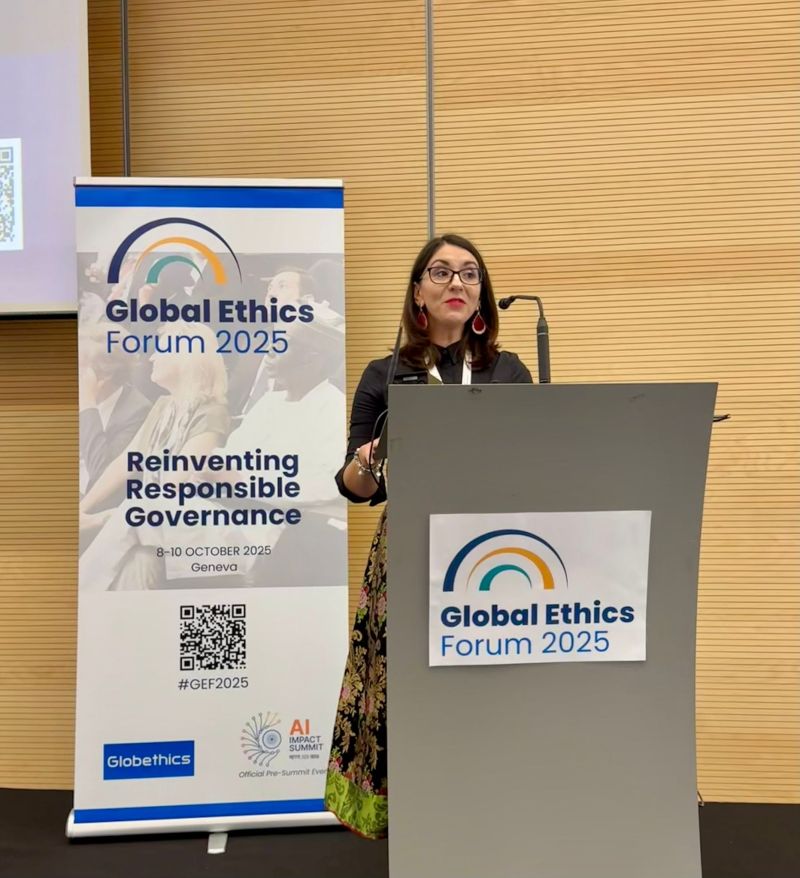
The Global Ethics Forum 2025, held in Geneva, convened policymakers, academics, civil society, and industry leaders to explore ethical challenges in governance under the theme “Reinventing Responsible Governance.” The AI track focused on safe and trusted AI and inclusion, featuring plenaries and breakout sessions to generate actionable recommendations for the IndiaAI Impact Summit 2026. The Forum emphasized diverse representation, civil society’s role, and multisectoral dialogue to address AI safety risks and foster inclusive, ethically governed AI systems, producing outcome reports on AI safety and inclusion designed to inform the Summit.
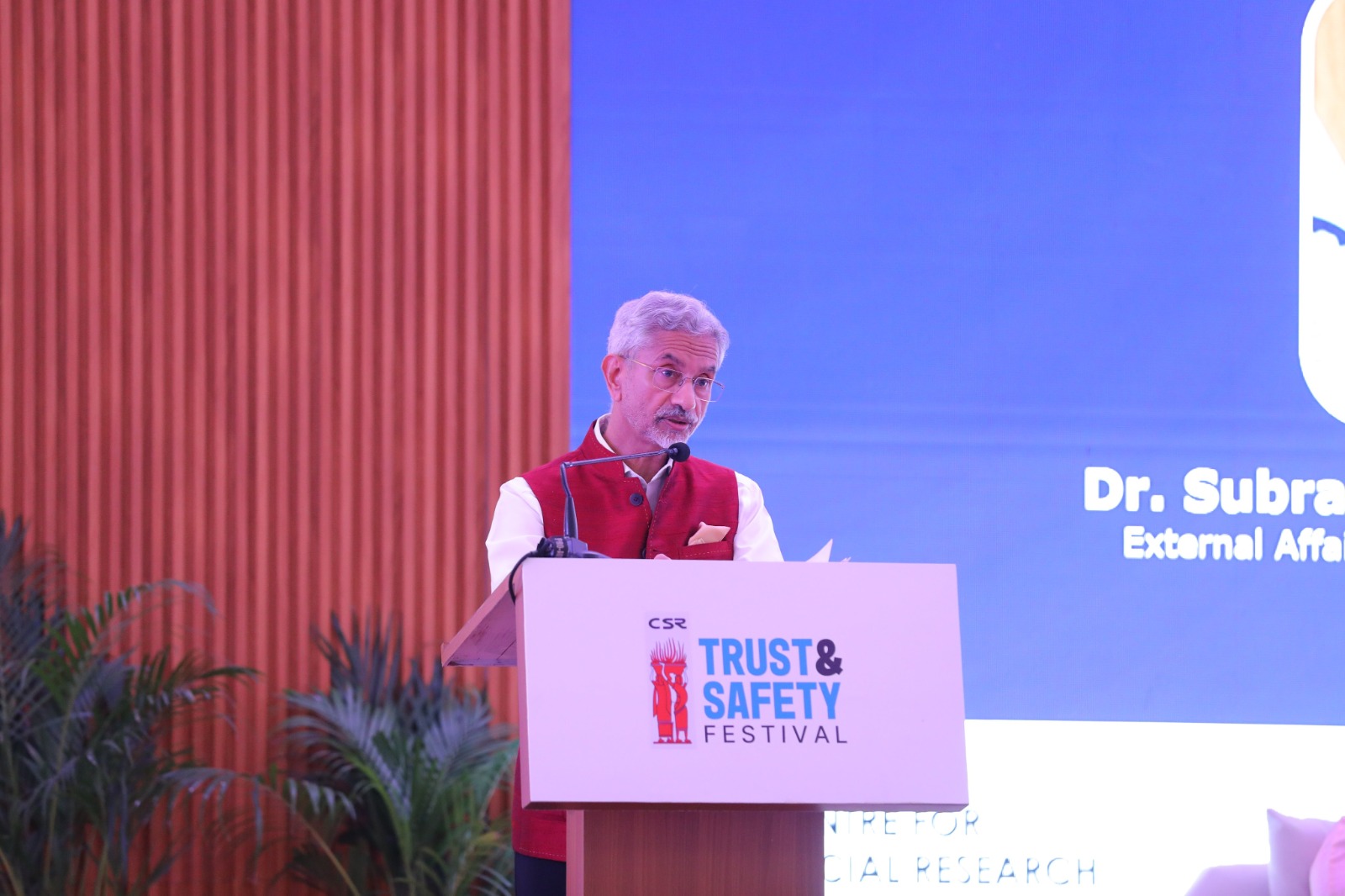
The TASI Festival brought together over 100 leaders from government, industry, academia, and civil society to discuss online trust, safety, and digital well-being. Spearheaded by the Centre for Social Research, the event focused on AI safety, content moderation, and responsible digital innovation. Through panels, workshops, and collaborative sessions, the festival generated policy recommendations, strengthened cross-sector networks, and advanced national capacity on digital safety.

