Working Groups At The AI Impact Summit / Resilience, Innovation, & Efficiency
Resilience, Innovation, & Efficiency Working Group
Driving sustainable, resource-efficient AI systems that strengthen climate resilience and sustainability.

About The Working Group
The scale of resources consumed by modern AI solutions presents myriad challenges for the environment as well as exacerbates existing AI divide between nations. The Resilience, Innovation & Efficiency working group focuses on advancing resource-conscious and adaptable AI systems that operate effectively in low-resource environments without compromising accessibility or impact. It seeks to embed efficiency and resilience as central principles in AI innovation, ensuring that technological progress remains inclusive, sustainable, and responsive to the diverse needs of all nations.
Vision & Objectives
Building an equitable global AI ecosystem
The Working Group on Resilience, Innovation & Efficiency envisions a future where AI systems are designed to be efficient, sustainable, and resilient, capable of operating effectively in varied contexts and with limited resources. It aims to ensure that efficiency is not seen as a limitation but as a foundation for innovation and accessibility
Leadership

Mr Pankaj Agarwal
India Co-Chair
Secretary, Ministry of Power, Government of India
Shri Pankaj Agarwal, Secretary, Ministry of Power, Government of India, has been a key architect of India’s energy transition, driving reforms focused on sustainability, efficiency, and innovation. With extensive experience in public policy, infrastructure, and digital transformation, he brings a unique perspective to the Working Group—linking AI efficiency with energy resilience and national development, and reinforcing India’s commitment to responsible, resource-conscious AI that delivers sustainable impact.

France
Country Co-Chair
Key Issues
Understanding the global AI divide and our approach to bridging it
The Challenge
The increasing scale of AI development has led to growing environmental and accessibility concerns. Training large-scale AI models demands enormous energy and water resources, with global data centres projected to consume nearly 3% of the world’s electricity by 2030.
The Solution
AI’s energy intensity contributes to higher carbon emissions, while its water footprint adds stress in already water-scarce regions. These challenges make resource-heavy AI systems unviable for many parts of the Global South, deepening the global divide in AI innovation and adoption.
The Impact
Addressing this imbalance requires a shift towards efficiency as a design value and building AI systems that do more with less. By prioritizing lightweight architectures, optimized computation, and sustainable infrastructure, the Working Group aims to enable an inclusive AI ecosystem that is resilient, adaptable, and globally beneficial.
Meeting Schedule
16th-20th January 2026
Hybrid Meeting (Bengaluru) [Tentative]

Help shape the future of global AI by sharing your perspectives, suggestions, and expertise. Your input will contribute to equitable access and inclusive AI innovation worldwide.
Share your input
We value your insights and contributions to the working groups
Related Pre-Summit Events
Join related events building momentum for the summit
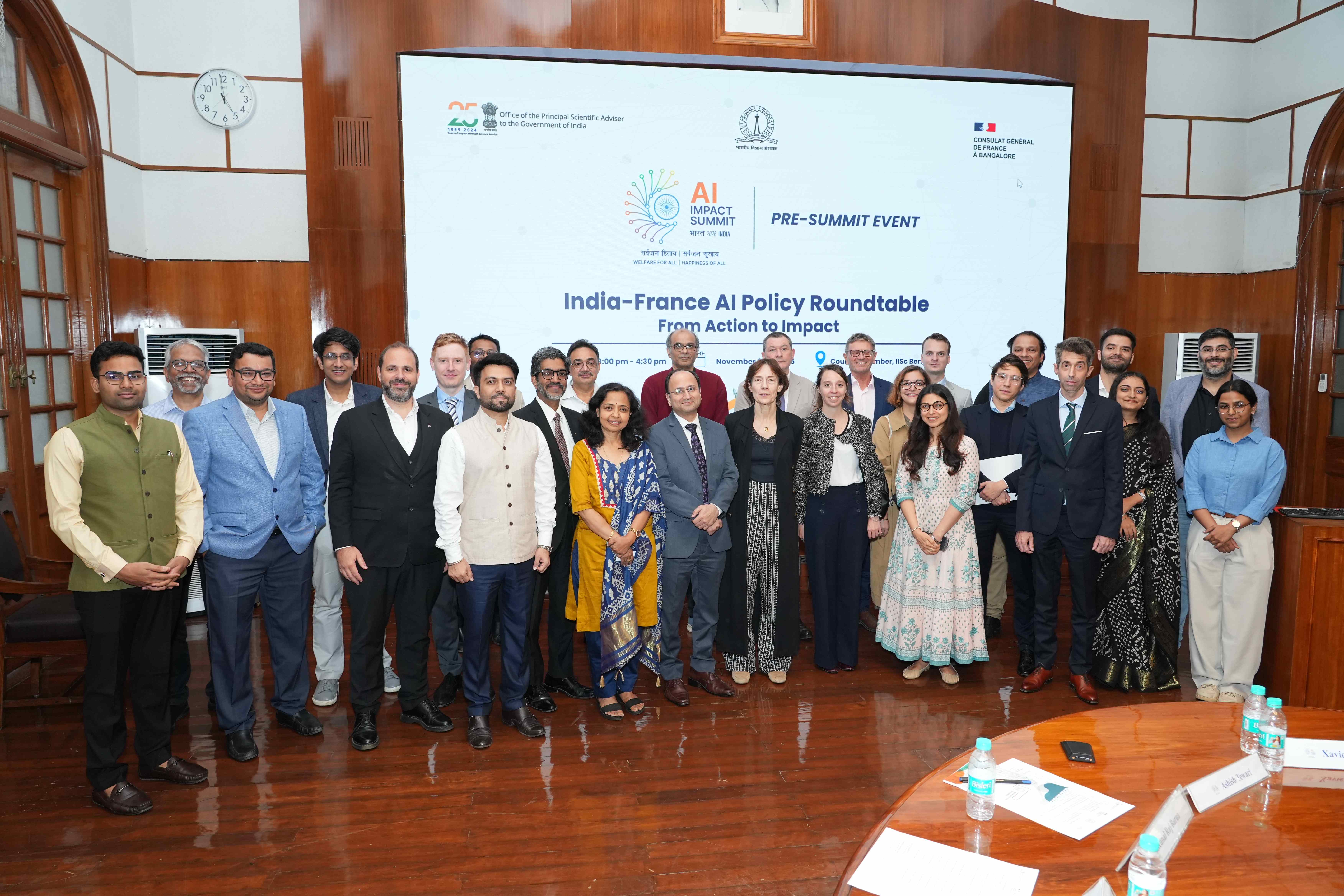
"The ""From Action to Impact: India–France AI Policy Roundtable"" held on November 7, 2025, at IISc Bengaluru, brought together policymakers, researchers, and industry leaders from India and France to advance bilateral AI cooperation. The roundtable focused on equitable access to AI infrastructure, reducing dependency on global monopolies, and fostering inclusive, secure, and sustainable innovation ecosystems. Co-chaired by Anne Bouverot, Special Envoy of France for AI, and Amit A. Shukla from India's MEA, the dialogue continued the Track 1.5 series, underpinning the India-AI Impact Summit 2026 and the India–France Year of Innovation 2026. It emphasized India’s robust AI ecosystem as a platform for co-development and strengthened global partnerships in responsible AI governance."
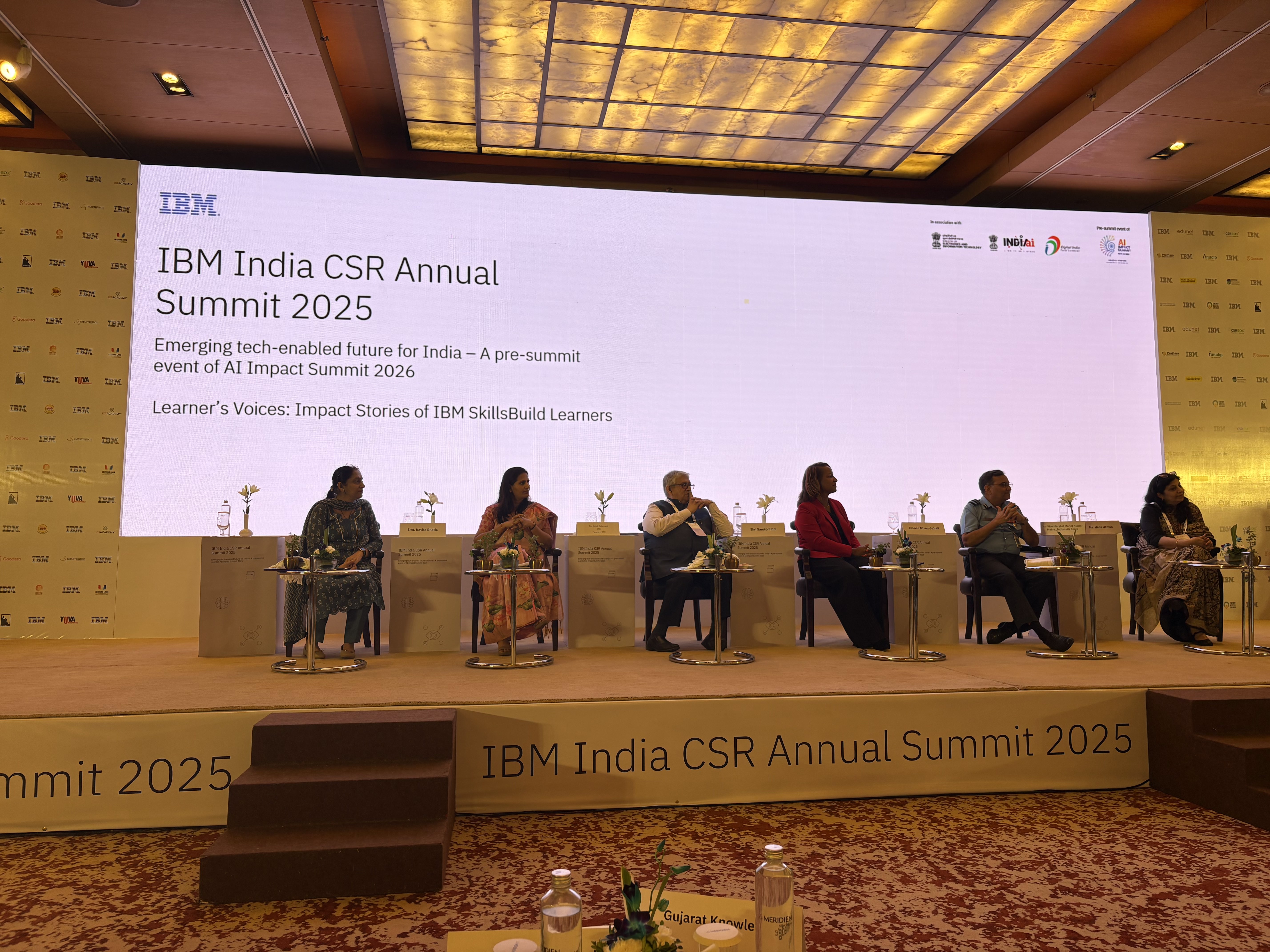
Organized by IBM India in New Delhi, this conference highlighted AI and emerging technologies driving India’s digital growth with a focus on inclusion, sustainability, and human capital development. The event featured collaborations like the IBM–AICTE AI Lab and showcased AI skilling impact, fostering partnerships among government, academia, and industry to realize Viksit Bharat 2047
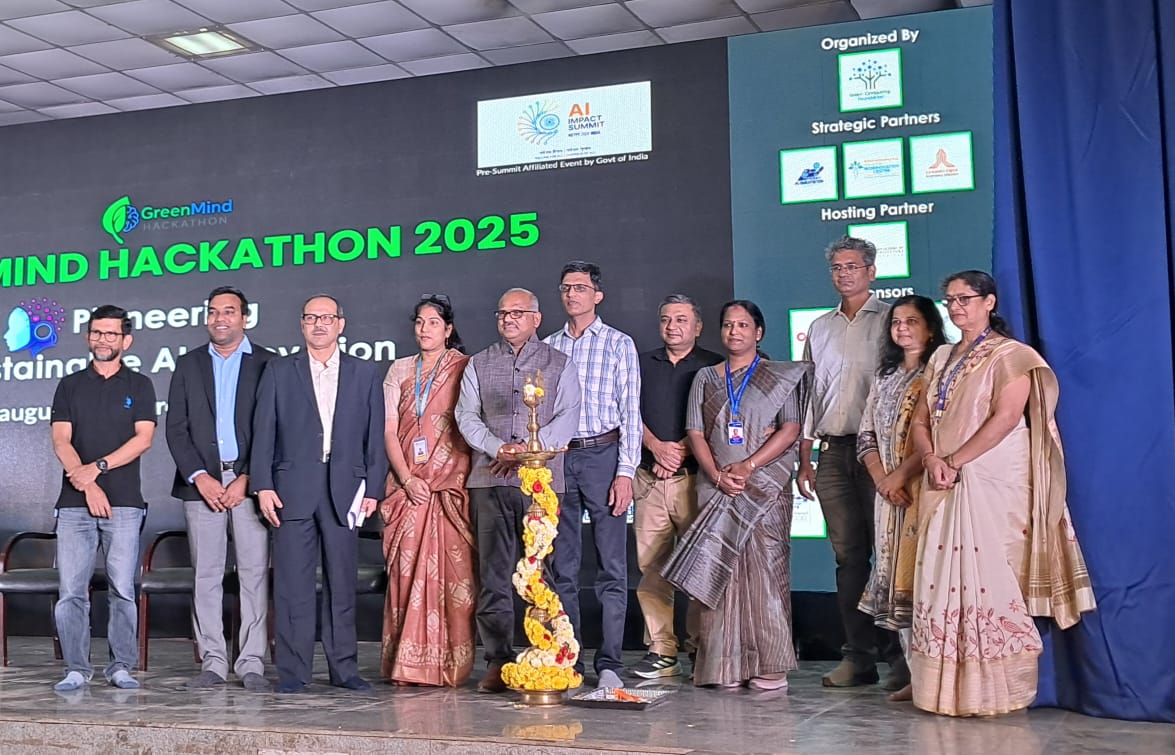
The GreenMind Sustainable AI Hackathon, held across Bengaluru and online from October 31 to November 15, 2025, was India’s pioneering large-scale challenge focused on sustainable, climate-conscious AI. Organized by the Green Computing Foundation with top industry and government partners, the event brought together over 500 teams from academia, startups, and corporates to develop AI innovations minimizing environmental impact. Through workshops, hybrid mentorship, and a grand finale, participants advanced responsible AI practices, building capacity and cross-sector collaboration for a greener digital future.
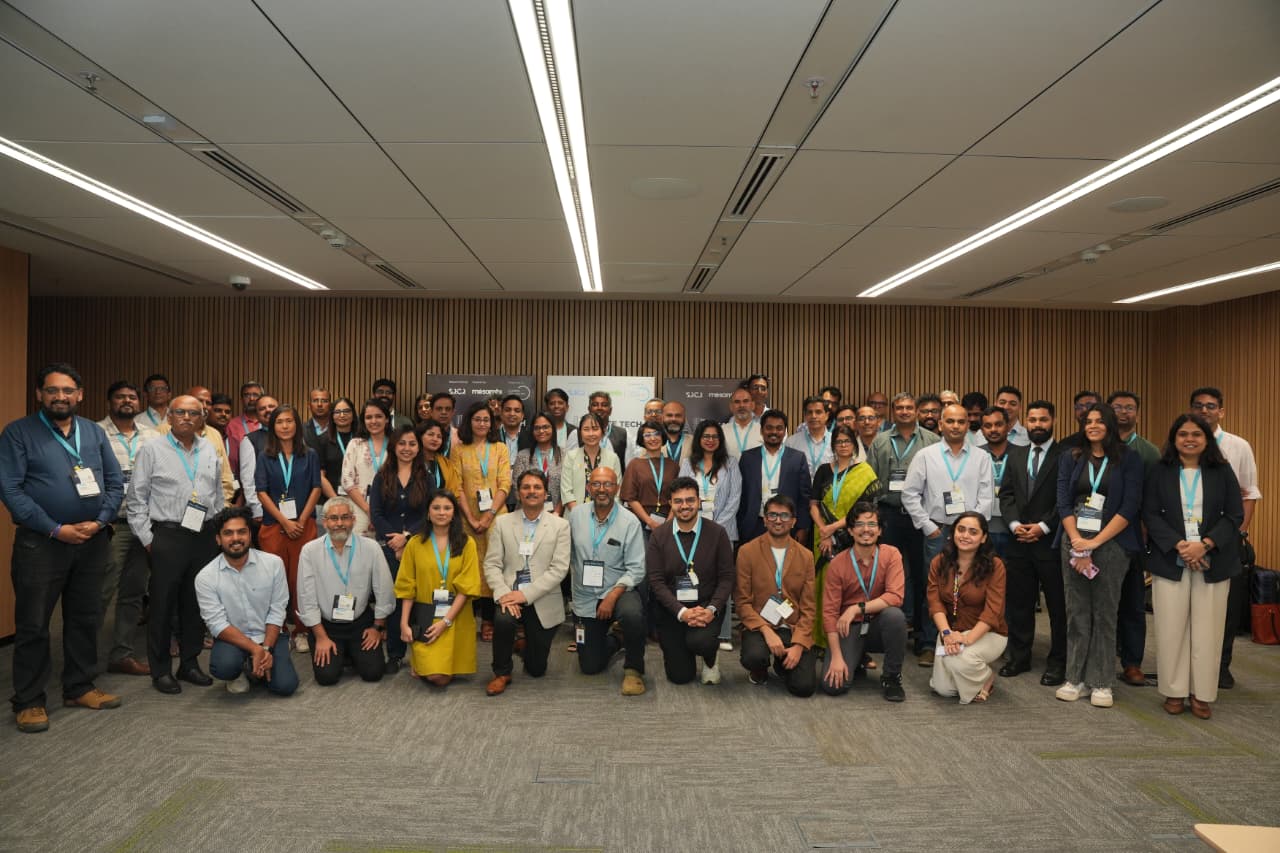
The AI for Climate Tech Summit 2025 brought together industry leaders, investors, policymakers, and startups to explore AI’s role in advancing climate resilience and sustainable development in key sectors such as energy, agriculture, and urban risk. The summit aimed to bridge government, industry, and research efforts to accelerate AI-driven climate innovation aligned with India’s developmental and net-zero goals. Preceded by an official pre-summit dialogue in Delhi, the event fostered actionable insights and collaborative momentum for scaling AI-powered climate solutions, directly supporting the “Planet” and “Progress” themes of the India–AI Impact Summit 2026.
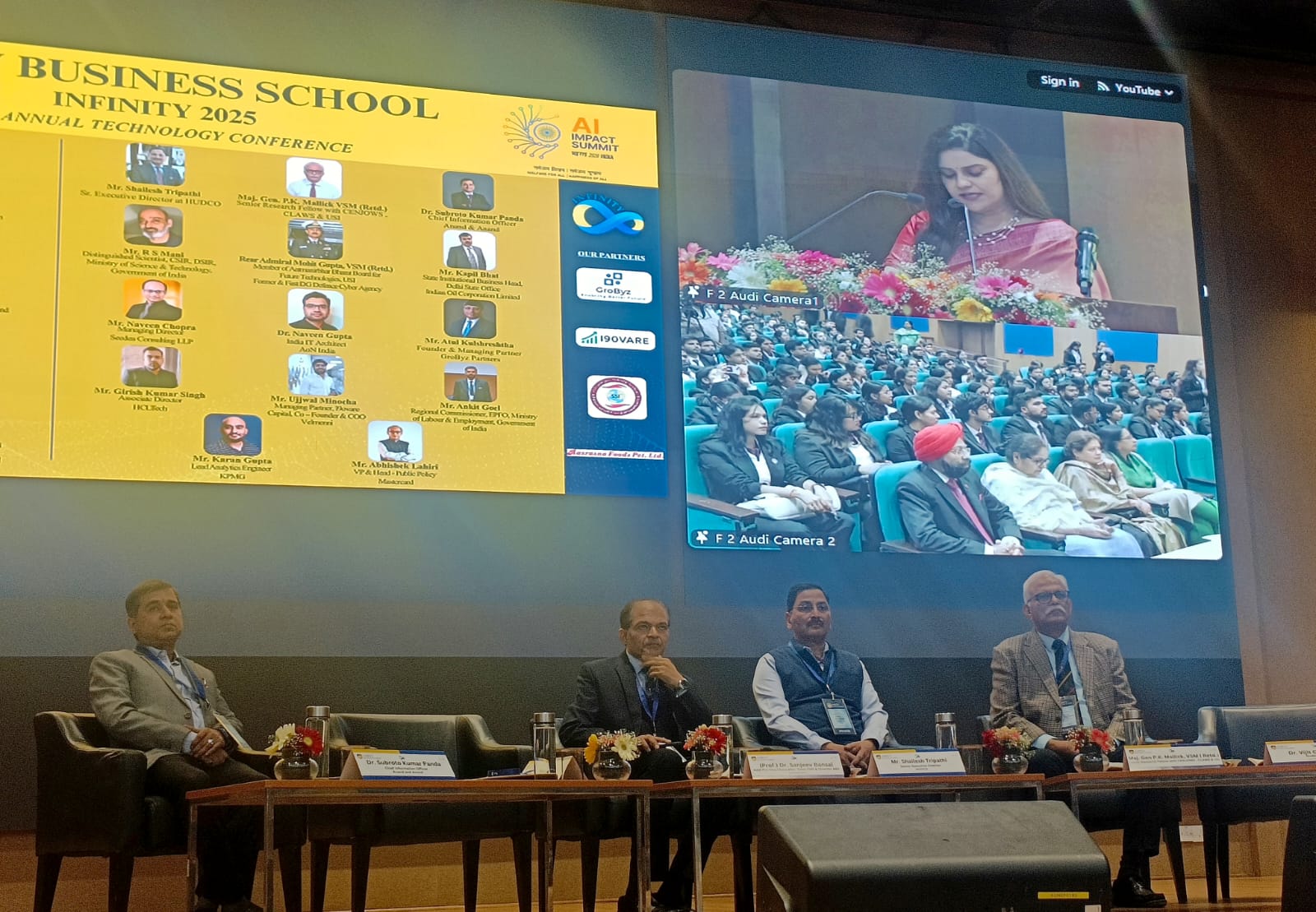
The INFINITY 2025 conference at Amity Business School, Amity University Noida, focused on "Humanizing AI," emphasizing ethical intelligence, responsible innovation, and resilient systems. It served as a platform for government officials, industry experts, policymakers, and students to discuss AI governance, inclusivity, and user privacy. The event aligned closely with the India–AI Impact Summit 2026 themes of human-centered AI and sustainable digital ecosystems.
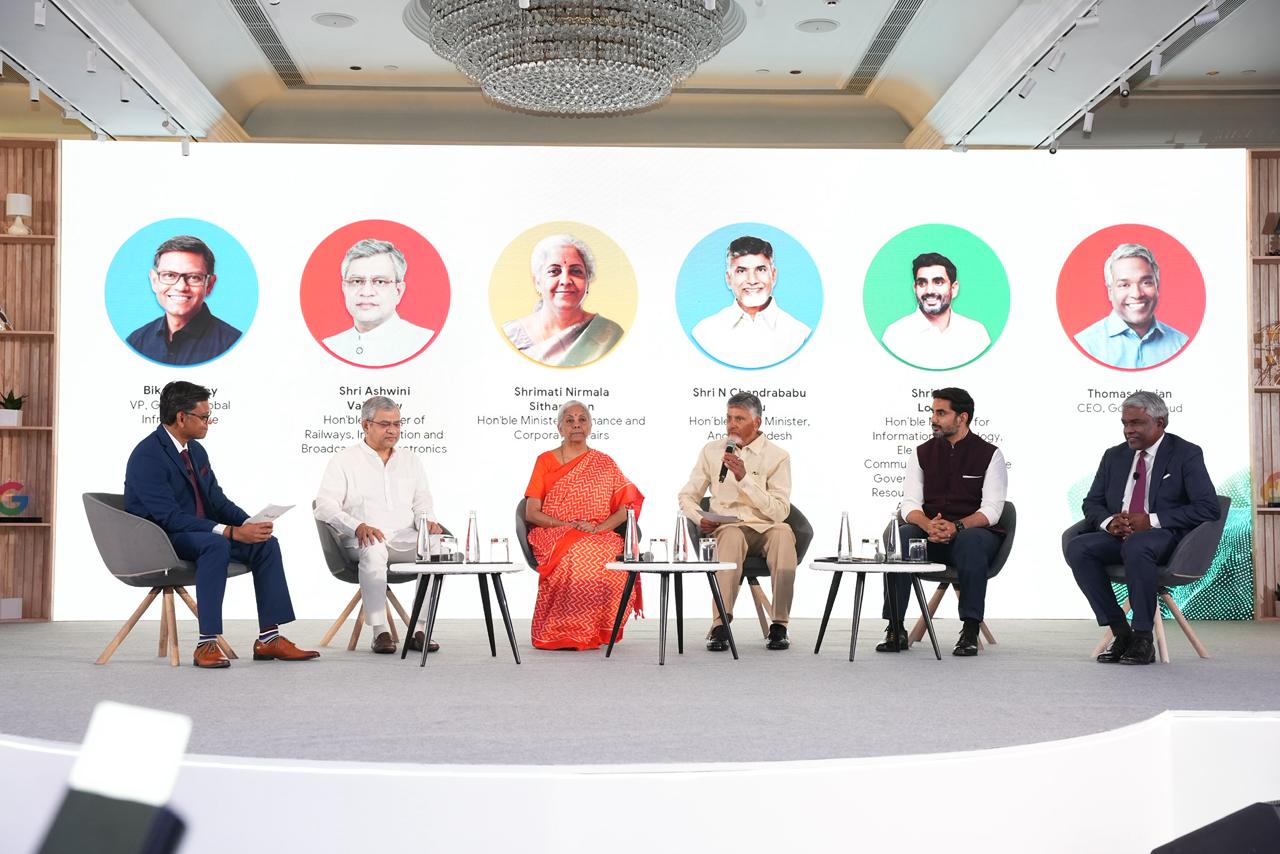
Google hosted the Bharat AI Shakti event as a pre-summit initiative for the India–AI Impact Summit 2026, where it announced a $15 billion AI hub in Visakhapatnam, Andhra Pradesh. The announcement featured key dignitaries including Union Ministers Ashwini Vaishnaw and Nirmala Sitharaman, Andhra Pradesh Chief Minister Nara Chandrababu Naidu, and Google CEO Thomas Kurian. This investment aims to accelerate AI-driven transformation in India by deploying advanced AI infrastructure, renewable energy, and expanded connectivity.
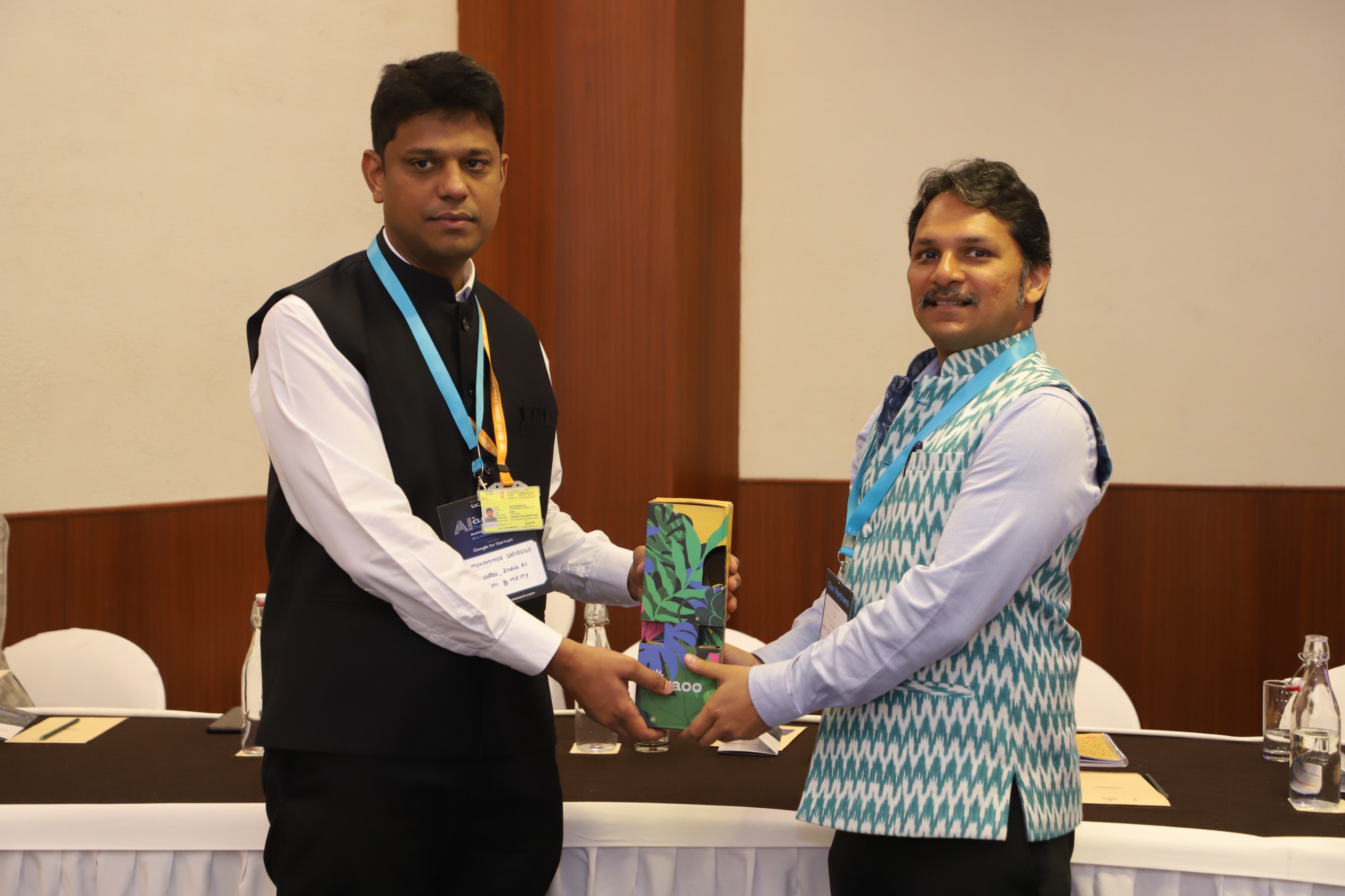
Organized under the themes of Resilience, Science, and Social Good, the roundtable explored how AI can accelerate sustainable development across India’s power and built environment sectors. Participants identified actionable policy priorities and strategies to advance AI-driven climate innovation. The dialogue culminated in a whitepaper and served as a lead-up to the “AI for Climate Tech Summit” in Bengaluru, aligning closely with the India AI Impact Summit’s Planet and Progress themes.
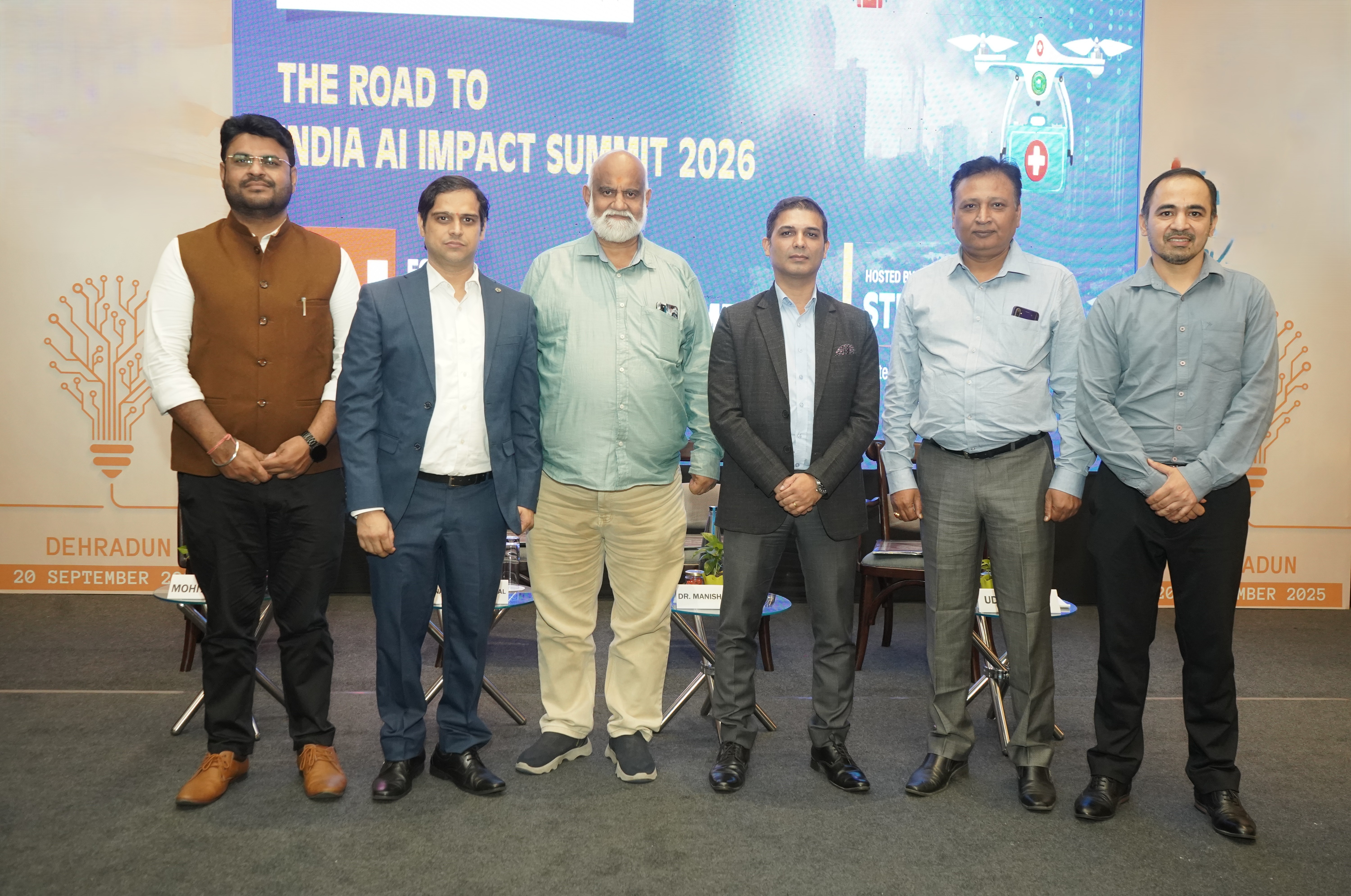
In alignment with the AI Impact Summit 2026 vision, Software Technology Parks of India (STPI) Dehradun organized Official Pre-Summit Event of the AI Impact Summit 2026 on 20th September 2025 at Hotel Hyatt Centric, Rajpur Road, Dehradun, under the theme “AI for Disaster Management | Drones”. STPI Dehradun has conducted the Pre-Summit Event under the India - AI Impact Summit 2026 by engaging researchers, startups, innovators, academician , state governments, and citizens across the state to create awareness about the upcoming India AI summit. The AI based STPI startups showcased their product and services in pre summit event.
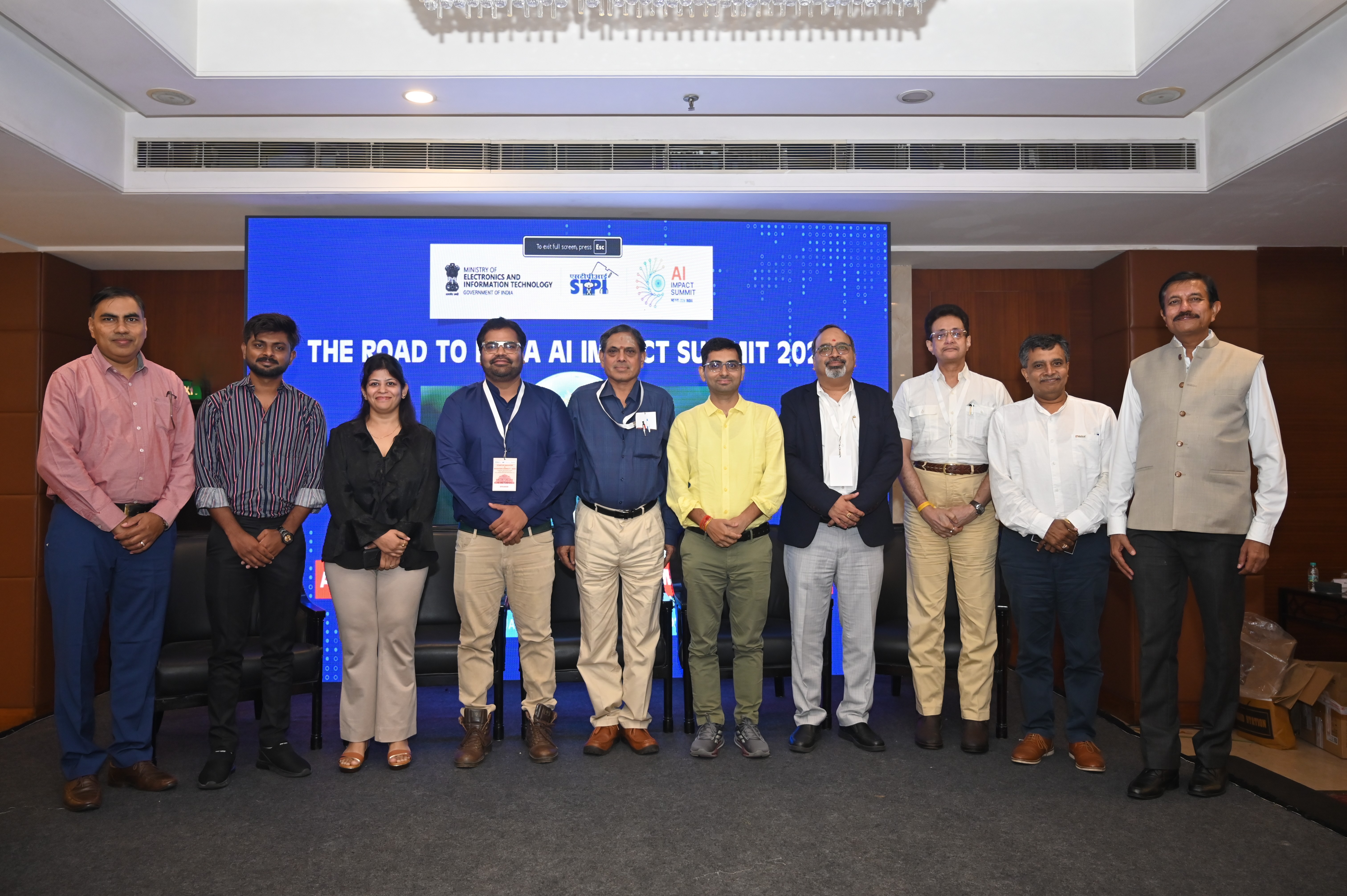
In alignment with the AI Impact Summit 2026 vision, Software Technology Parks of India (STPI) Jaipur organized Official Pre-Summit Event of the AI Impact Summit 2026 on 19th September 2025 at Hotel Radission City Center, Jaipur, under the theme “AI for Sustainable Development – Climate | Resilience”. The Jaipur pre-event of the India – AI Impact Summit 2026 convened innovators, policymakers, startups, investors, and academicians to deliberate on the role of Artificial Intelligence in advancing climate resilience and sustainable development. The dialogue acknowledged AI as a double-edged sword: capable of strengthening communities and climate action, yet raising concerns around energy intensity, ethics, equity, and trust.

The workshop at Ashoka University focused on using AI to improve weather forecasting and resilience against extreme climate events. Researchers and practitioners discussed AI-driven approaches for monsoon and flood prediction, shared hands-on training, and explored collaborations to advance India-specific forecasting tools and open-source solutions for the broader climate and AI community.
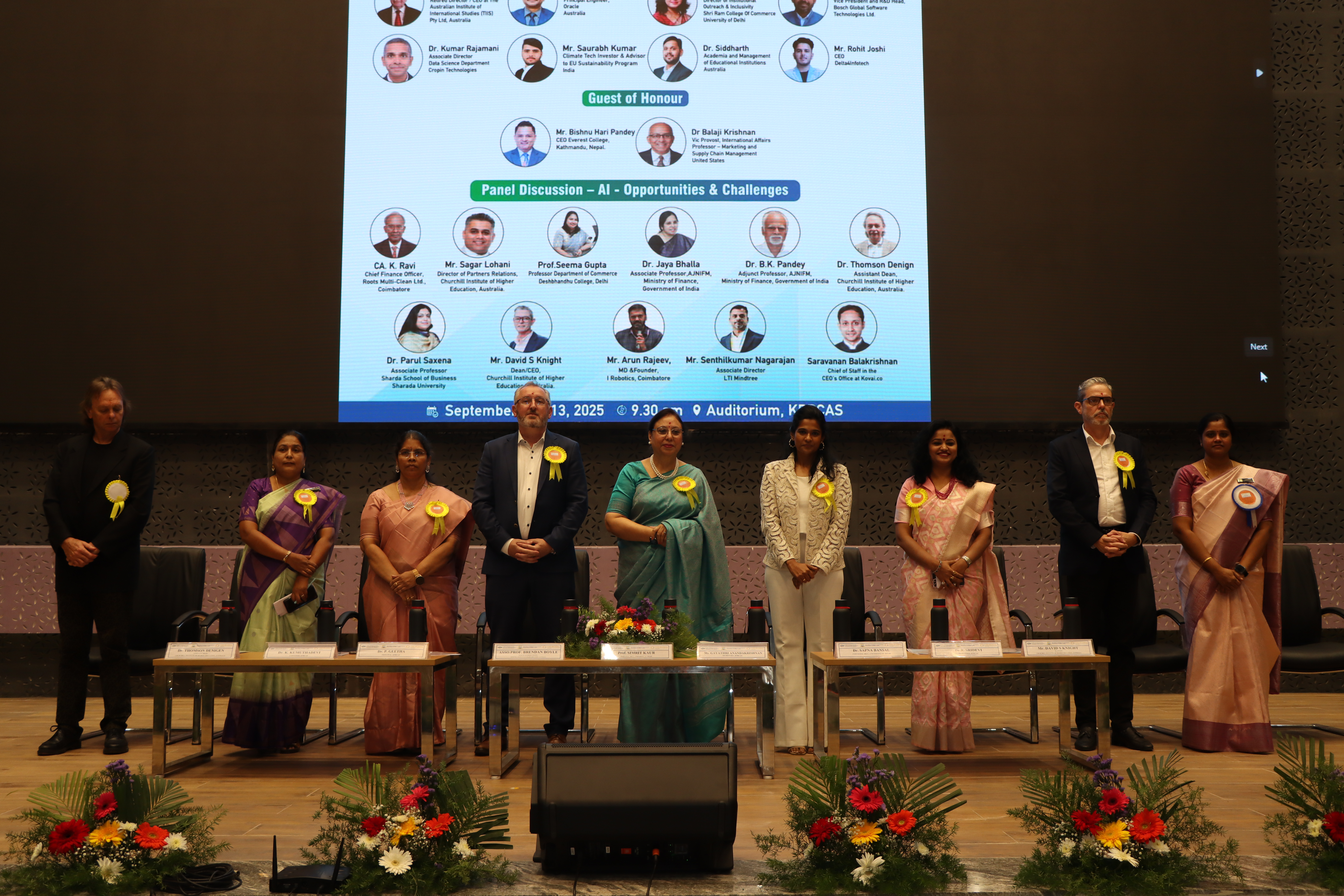
The International Conference on AI for Sustainable Economic Growth at KPR College focused on how AI can drive inclusive, resilient, and sustainable development. The event featured keynotes, panels, and research presentations on workforce transformation, ethical AI, and green innovation, while fostering global collaboration and knowledge exchange through partnerships and research initiatives.

