Working Groups At The AI Impact Summit / Inclusion for Social Empowerment
Inclusion for Social Empowerment Working Group
Advancing AI systems that are inclusive by design, empowering diverse communities and ensuring equitable representation.

About The Working Group
AI technologies hold immense potential for uplifting all sections of society, including communities that have faced difficulties in being able to meaningfully participate in social and economic development. The Inclusion for Social Empowerment thematic working group aims to enable the development and adoption of inclusive AI for social empowerment of all, ensuring no one is left behind.
Vision & Objectives
Building an equitable global AI ecosystem
The Inclusion for Social Empowerment Working Group will explore pathways that can be used to ensure AI can act as a catalyst for social empowerment. Its focus is to enable participation, expand opportunity, and unlock human potential across languages, abilities, geographies, and cultures. It will centre solutions, capacity building, and scalable models that deliver tangible benefits for all, especially underserved communities.
Leadership
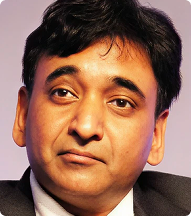
Mr Rajesh Aggarwal
India Co-Chair
Secretary, Department for Empowerment of Persons with Disabilities (DEPwD), Ministry for Social Justice and Empowerment, Government of India
Mr. Rajesh Aggarwal is currently serving as Secretary for the Department of Empowerment of Persons with Disabilities (DEPwD). Across multiple roles at a federal and state level, he has championed the use of technology to improve governance, playing a foundational role in the creation and improvement of the Digilocker, Jeevan Praman and other significant e-governance programmes. Mr. Aggarwal also has a distinguished track record in making public services and infrastructure accessible for persons with disabilities, including ensuring government websites and public spaces are inclusive for all.

Switzerland
Country Co-Chair

Nigeria
Country Co-Chair
Key Issues
Understanding the global AI divide and our approach to bridging it
The Challenge
Translating potential AI-driven benefits into tangible outcomes depends on the readiness of deployers and users to effectively manage and use the technology. This means providing relevant AI literacy, awareness and training to not just beneficiaries, but those who ensure they are available to the beneficiaries – such as last-mile field workers, educators, administrators and even managers of developers.
The Solution
The fragmented nature of the development of AI tools and initiatives for social empowerment means that at present, effective solutions cannot be replicated or scaled up easily. This emphasises the need for mechanisms to actively share technical learnings and guidance that can ensure that successful programmes in one region can be translated to others.
The Impact
To ensure that these AI technologies are able to truly deliver their transformative potential, it is important for them to actively account for and accommodate the diverse needs, identities, and experiences of all users, including those from the Global South and from traditionally underserved communities. Efforts to improve inclusivity-by design need to be continued to ensure the improvement of AI systems’ safety, relevance and usability
Meeting Schedule
16th January 2026
Hybrid Meeting (Hyderabad)

Help shape the future of global AI by sharing your perspectives, suggestions, and expertise. Your input will contribute to equitable access and inclusive AI innovation worldwide.
Share your input
We value your insights and contributions to the working groups
Related Pre-Summit Events
Join related events building momentum for the summit
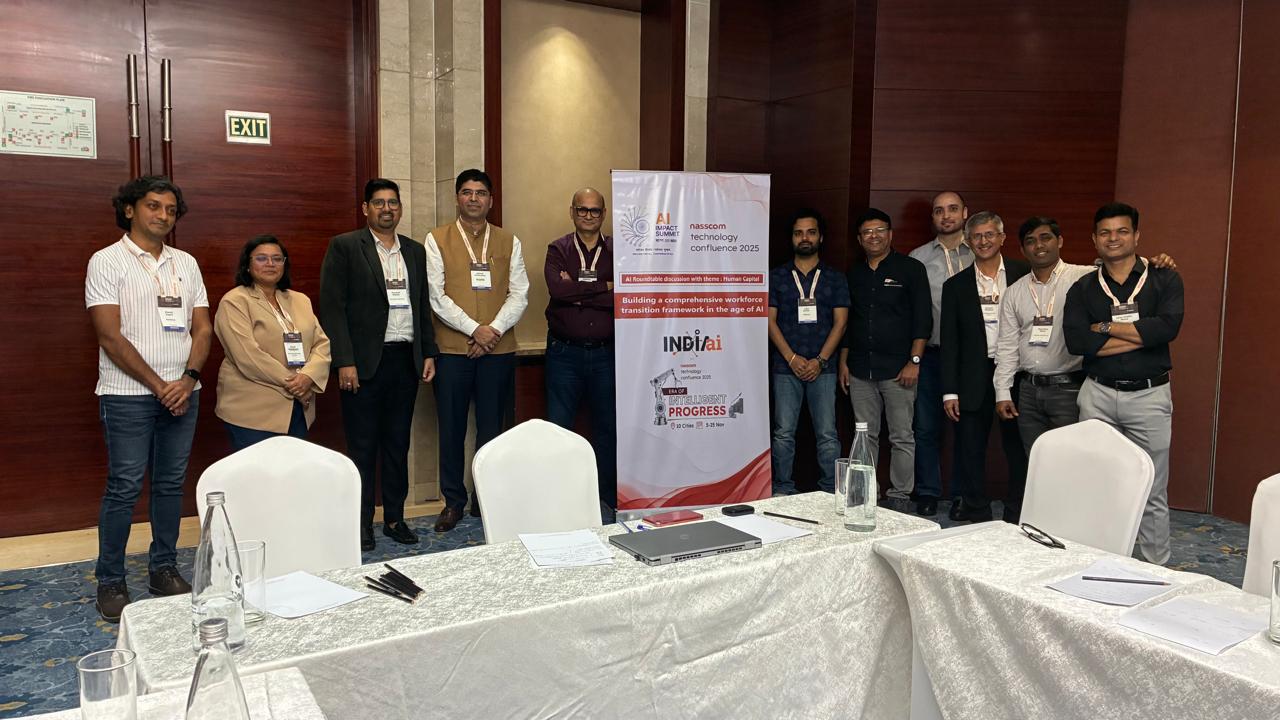
The CXO Roundtables at Nasscom Technology Confluence 2025, held from November 5 to 19 across Pune, Mumbai, Kochi, and Kolkata, gathered senior industry leaders to discuss AI’s role in workforce skilling, resilience, and social impact. Each city focused on themes aligned with the IndiaAI Impact Summit, fostering decentralized dialogue on AI adoption challenges, best practices, and inclusive growth strategies. The roundtables generated actionable insights and regional perspectives to directly inform the IndiaAI Summit, promoting responsible AI integration across India’s industrial hubs.
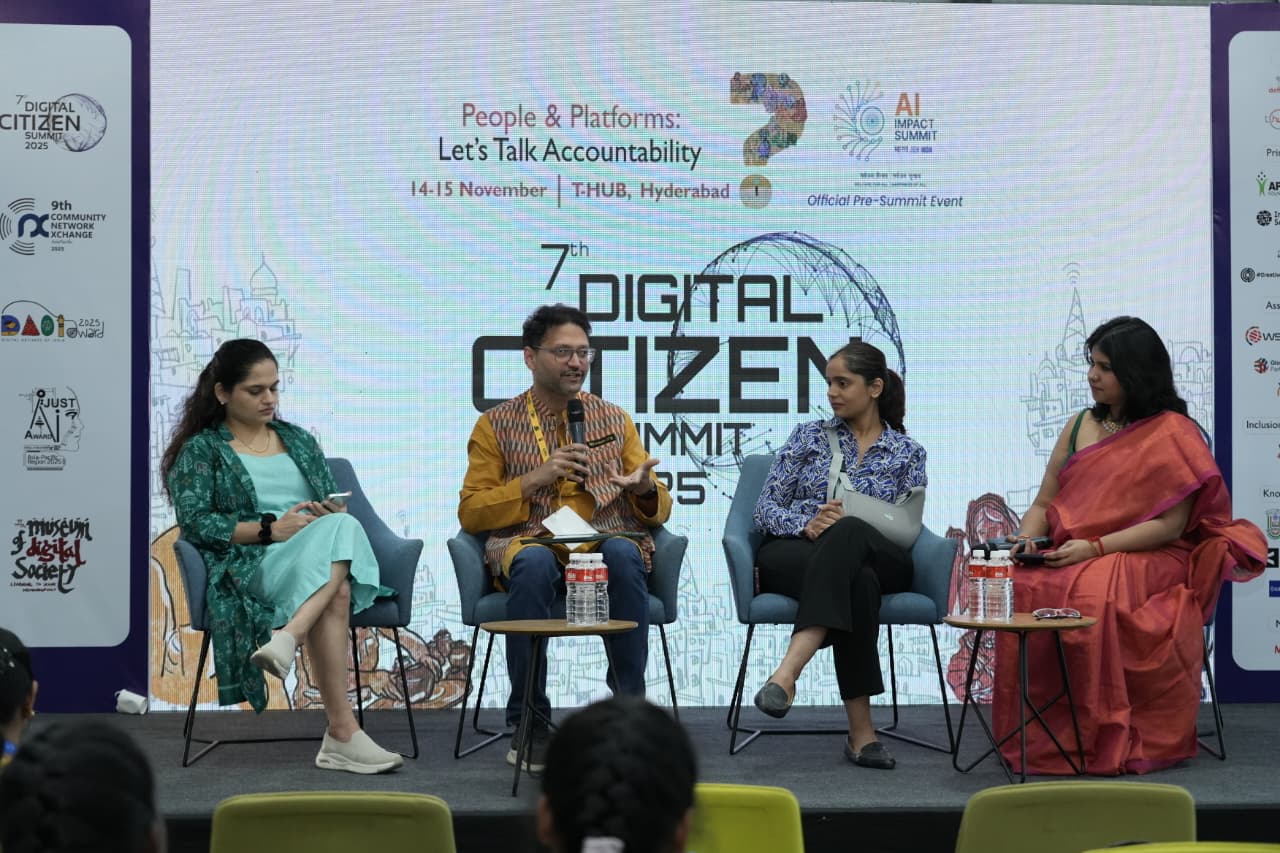
Held in partnership with the Department of IT, E&C, Government of Telangana. The summit brought together policymakers, technologists, civil society leaders, and community representatives to reimagine AI, data governance, and platform accountability for equitable, rights-based digital ecosystems. Featuring anthology launches, toolkit releases, and the Just AI Awards 2025, the event advanced dialogue on ethical AI, participatory governance, and community resilience—aligning closely with the IndiaAI Impact Summit’s pillars of Human Capital, Inclusion, and Safe & Trusted AI.
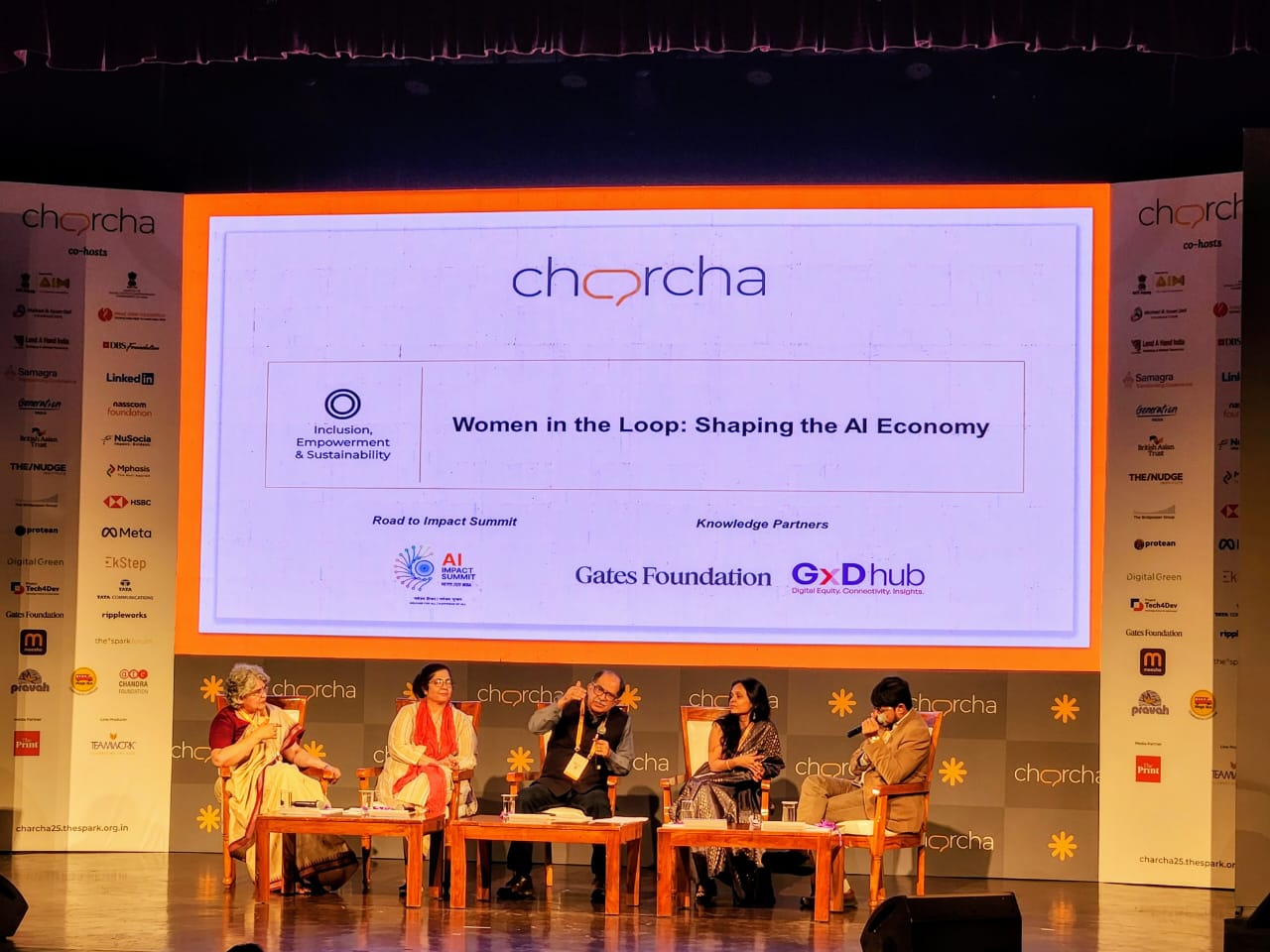
A high-level dialogue focused on ensuring women’s equitable participation in the AI economy, aligning with the IndiaAI Mission’s Human Capital pillar. Opening with the question, “As AI redefines the nature of work, how do we ensure women are not left behind, but lead this transformation?”, the session explored opportunities and risks for women’s employment, future-ready skilling, and gender-responsive AI design. Featuring cross-sectoral experts, it spotlighted innovative models such as community data labs and women-led digital cooperatives. The event also marked the launch of the Sanmati 2.0 Report on women and digital inclusion.
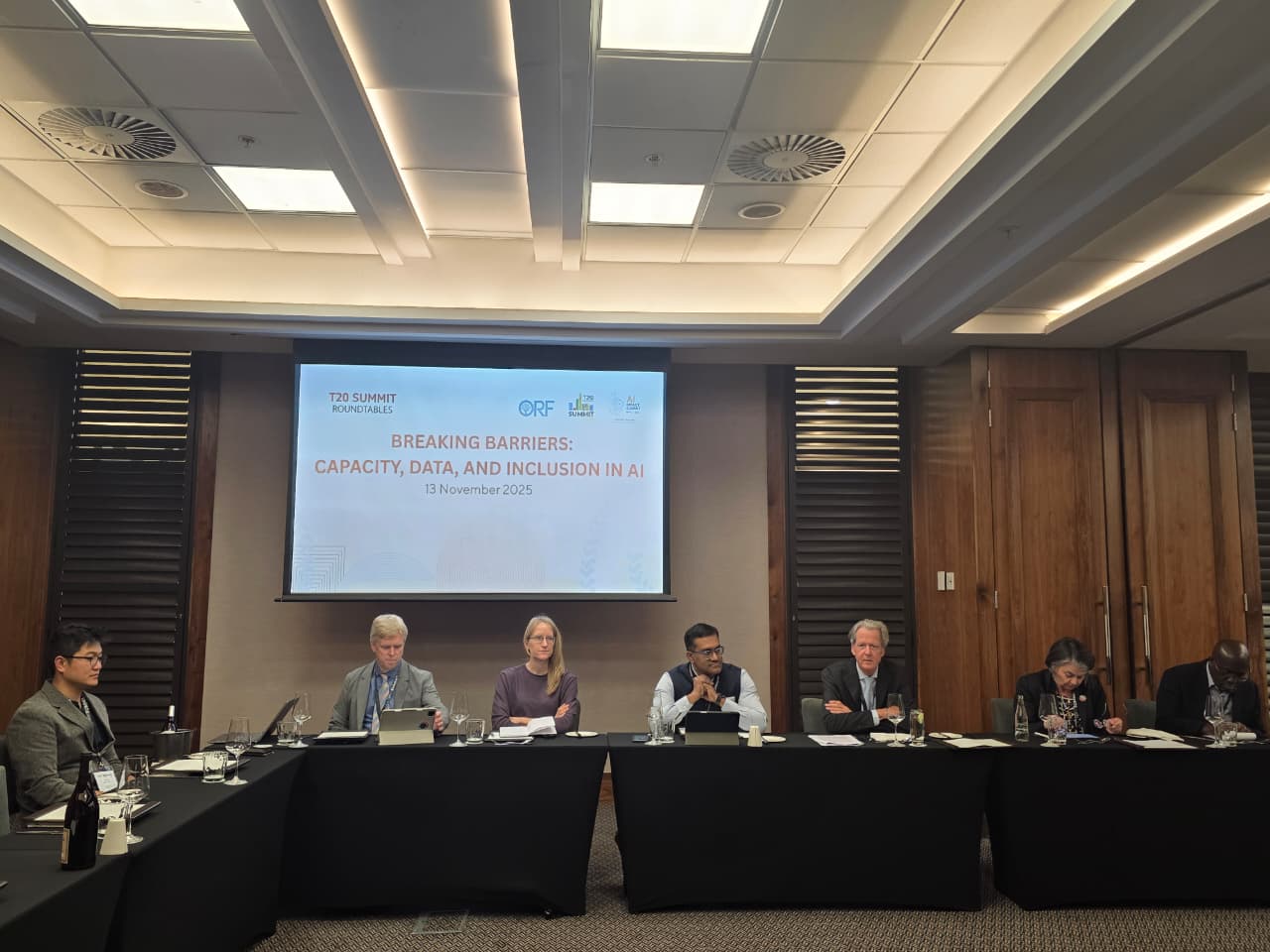
A special dinner conversation jointly hosted by the Observer Research Foundation (ORF) and the South African Institute of International Affairs (SAIIA) at the Think20 South Africa Summit. The session explored how AI can be developed and deployed to reflect the diversity of human experience across languages, cultures, and identities while ensuring equitable global access to AI capabilities. Bringing together policymakers, researchers, and industry leaders, the discussion examined frameworks for inclusive AI governance, capacity-building in the Global South, and collaborative investments enabling sustainable, responsible AI ecosystems.
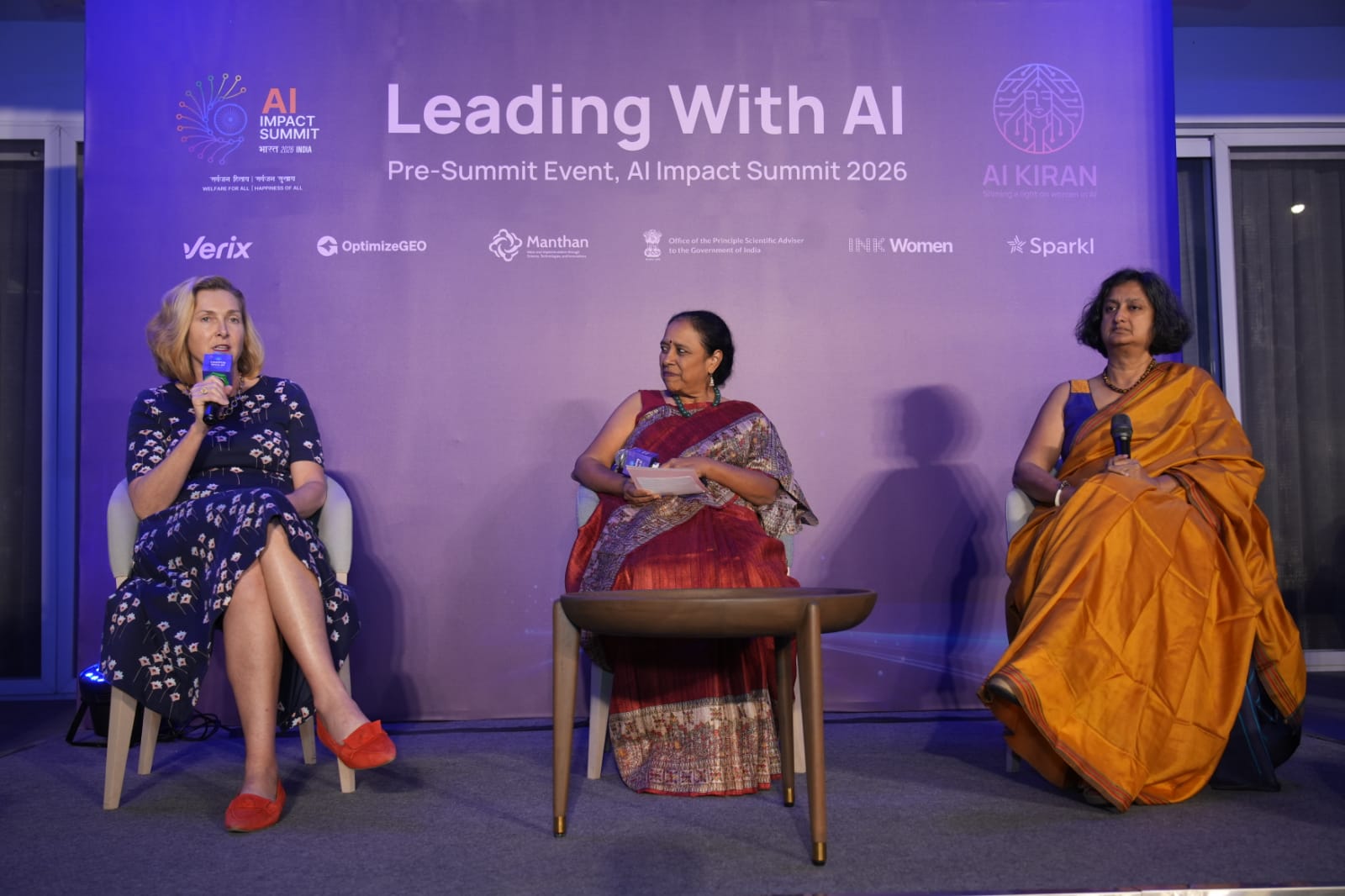
An exclusive pre-summit fireside chat featuring Jessica Jensen (LinkedIn) in conversation with Kirthiga Reddy. The session brought together senior leaders, CXOs, and policymakers to discuss how AI can drive inclusive growth, workforce transformation, and digital leadership. Building on the IndiaAI Summit 2026 theme of “People, Planet, and Progress”, the dialogue highlighted strategies for equitable access, large-scale skilling, and responsible AI governance, reinforcing collaboration toward a more diverse and inclusive AI ecosystem.
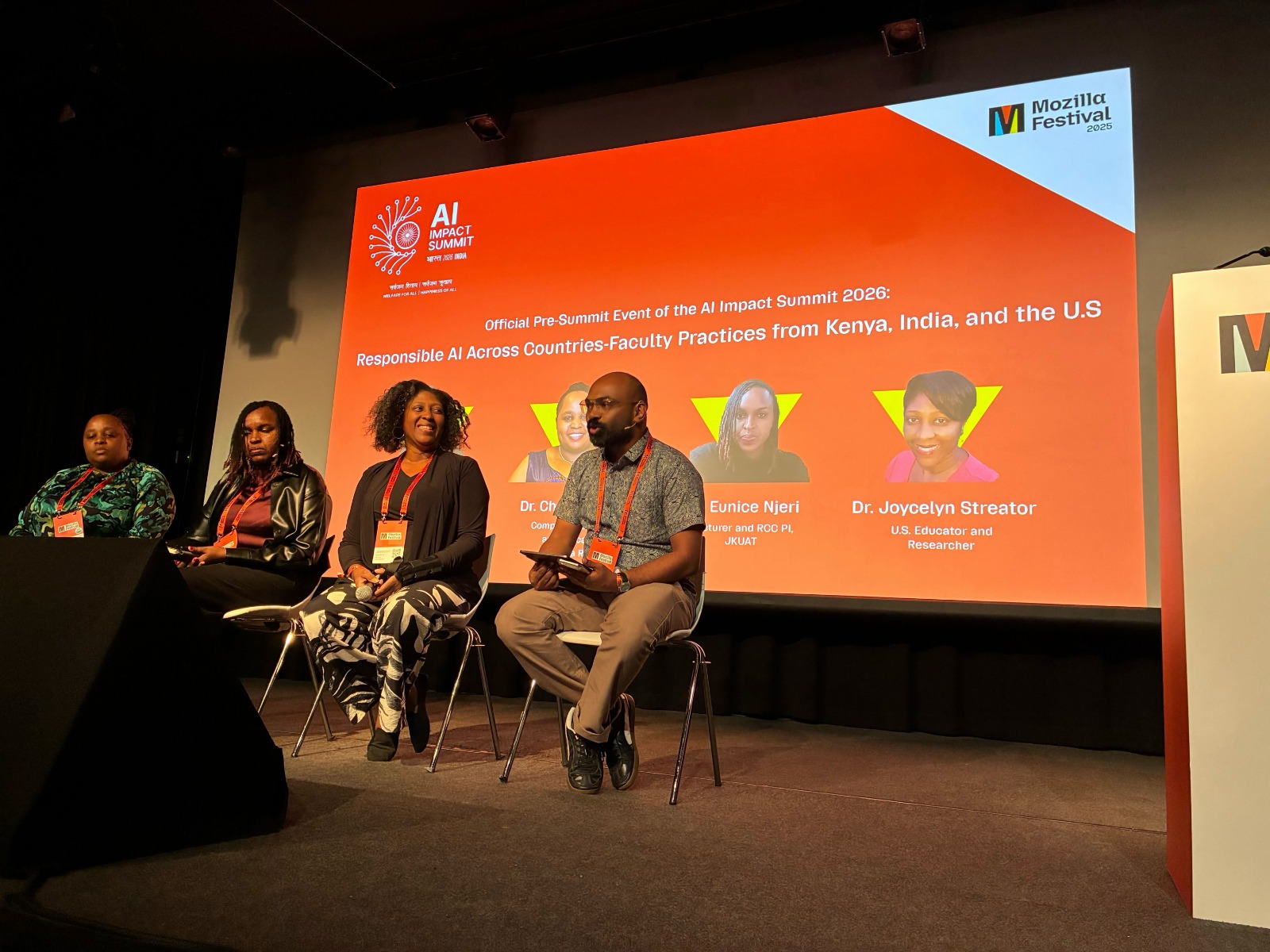
The Mozilla Festival (MozFest) 2025 session titled “Responsible AI Across Countries – Faculty Practices from Kenya, India, and the U.S.,” held on November 8, 2025, in Barcelona, focused on practical, low-compute methods for integrating Responsible AI into higher education curricula. Faculty from the three countries shared approaches including multilingual access, lightweight evaluation frameworks, and AI-ready pedagogy aligned with NEP 2020 and digital inclusion. The session supports the AI Impact Summit’s pillars on Human Capital, Inclusion, Safe & Trusted AI, Science, and Democratizing AI Resources, aiming to foster inclusive, equitable AI education worldwide.
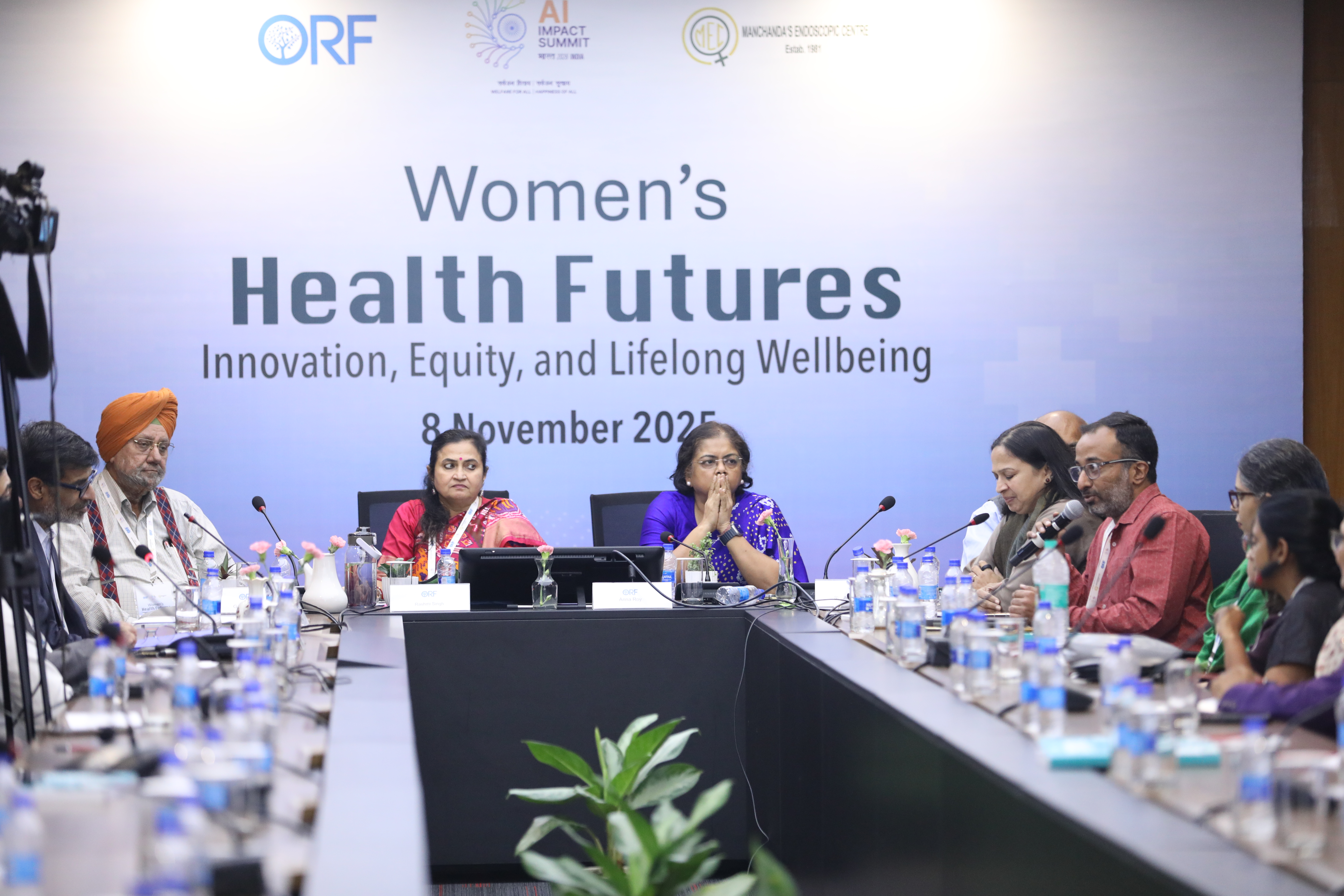
"The "Women’s Health Futures: Innovation, Equity, and Lifelong Wellbeing" roundtable held on November 8, 2025, in New Delhi, co-organized by the Observer Research Foundation and Manchanda’s Endoscopic Centre, focused on advancing AI and emerging technologies to improve women’s health outcomes across India. The discussion addressed gender disparities, trust, data safety, and policy innovations to promote equitable healthcare. The event aligned with AI Impact Summit pillars on Science and Social Good, culminating in a special report to guide inclusive health policies and cross-sector collaboration.
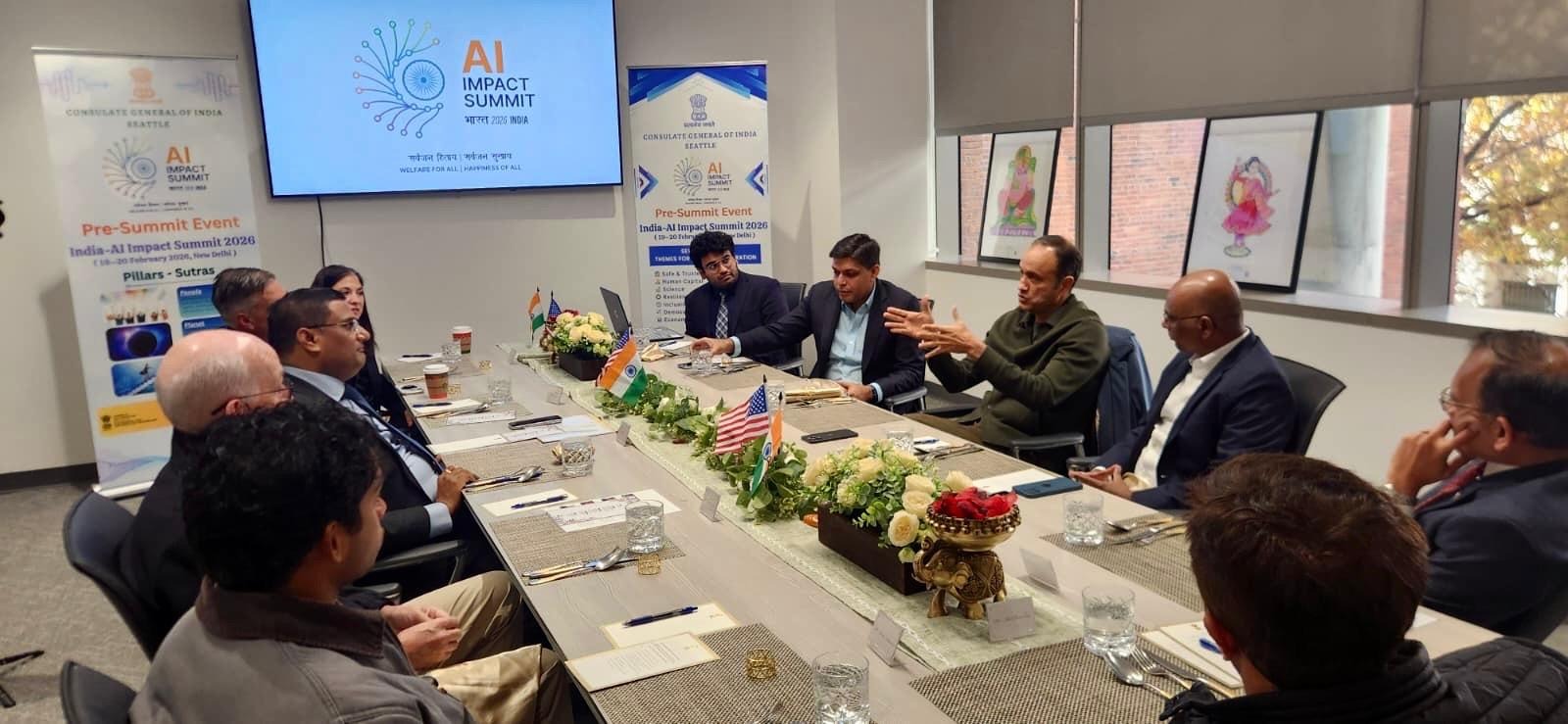
The Bridging the AI Divide roundtable, held on November 7, 2025, at the Consulate General of India in Seattle, convened US Congress members, technology leaders, and Indian stakeholders to discuss advancing inclusive and responsible AI innovation. Expert presentations highlighted India’s AI progress in areas like agri-tech, data infrastructure, and agentic AI, with a focus on strengthening bilateral partnerships for social empowerment and digital collaboration. The event marked the first in a series of sessions building momentum for the India-AI Impact Summit 2026, boosting India’s inclusion agenda and global visibility in AI leadership.
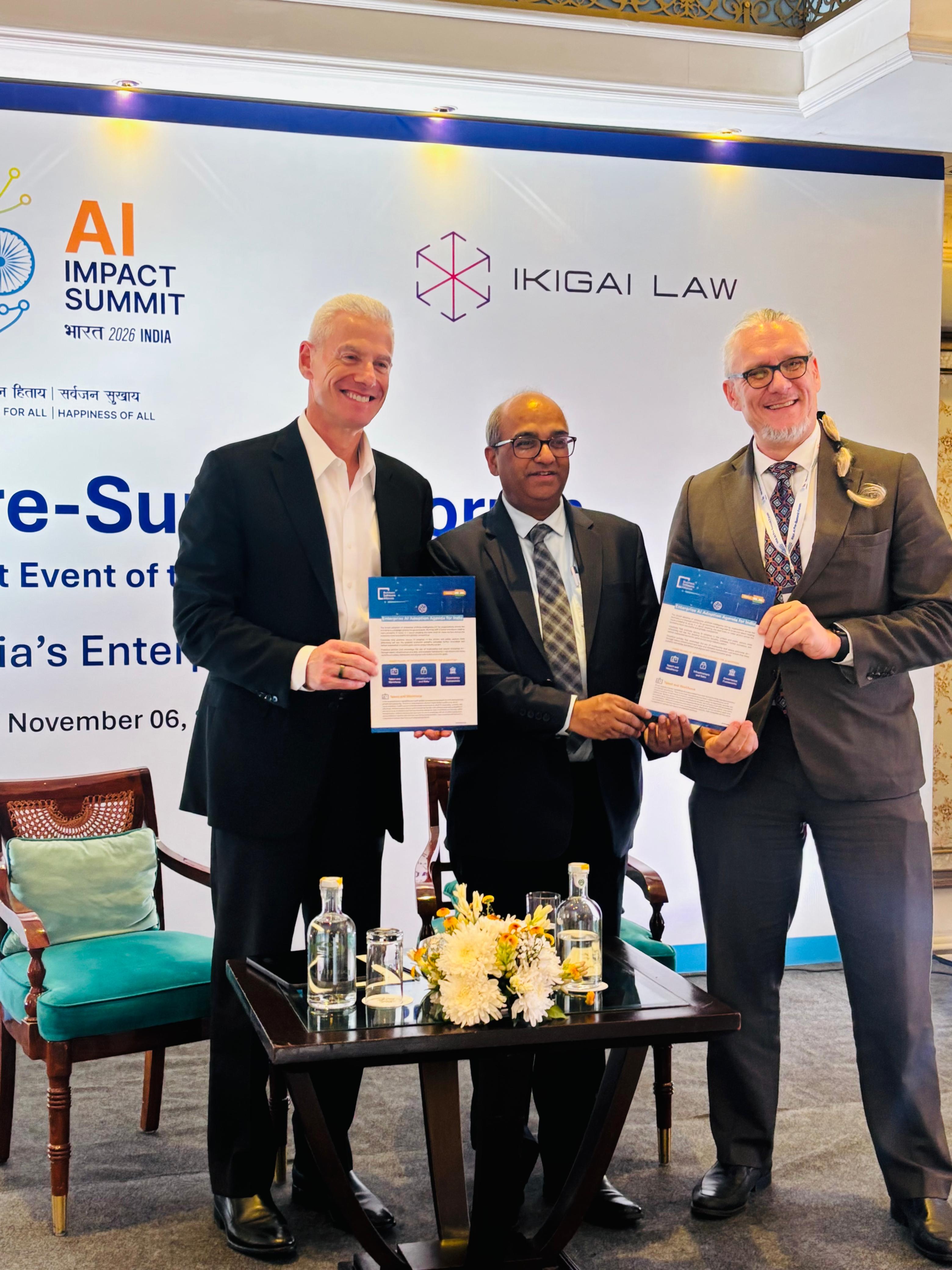
The BSA AI Pre-Summit Forum on November 6, 2025, at The Claridges, New Delhi, highlighted enterprise AI’s transformative potential in India’s public sector and workforce development. The hybrid event convened policymakers, industry leaders, and think tanks to launch the Enterprise AI Adoption Agenda, promoting responsible AI governance, talent skilling, and inclusive digital innovation. With global participation and sector-specific discussions, the Forum reinforced India’s leadership in safe, trusted, and impactful AI adoption.
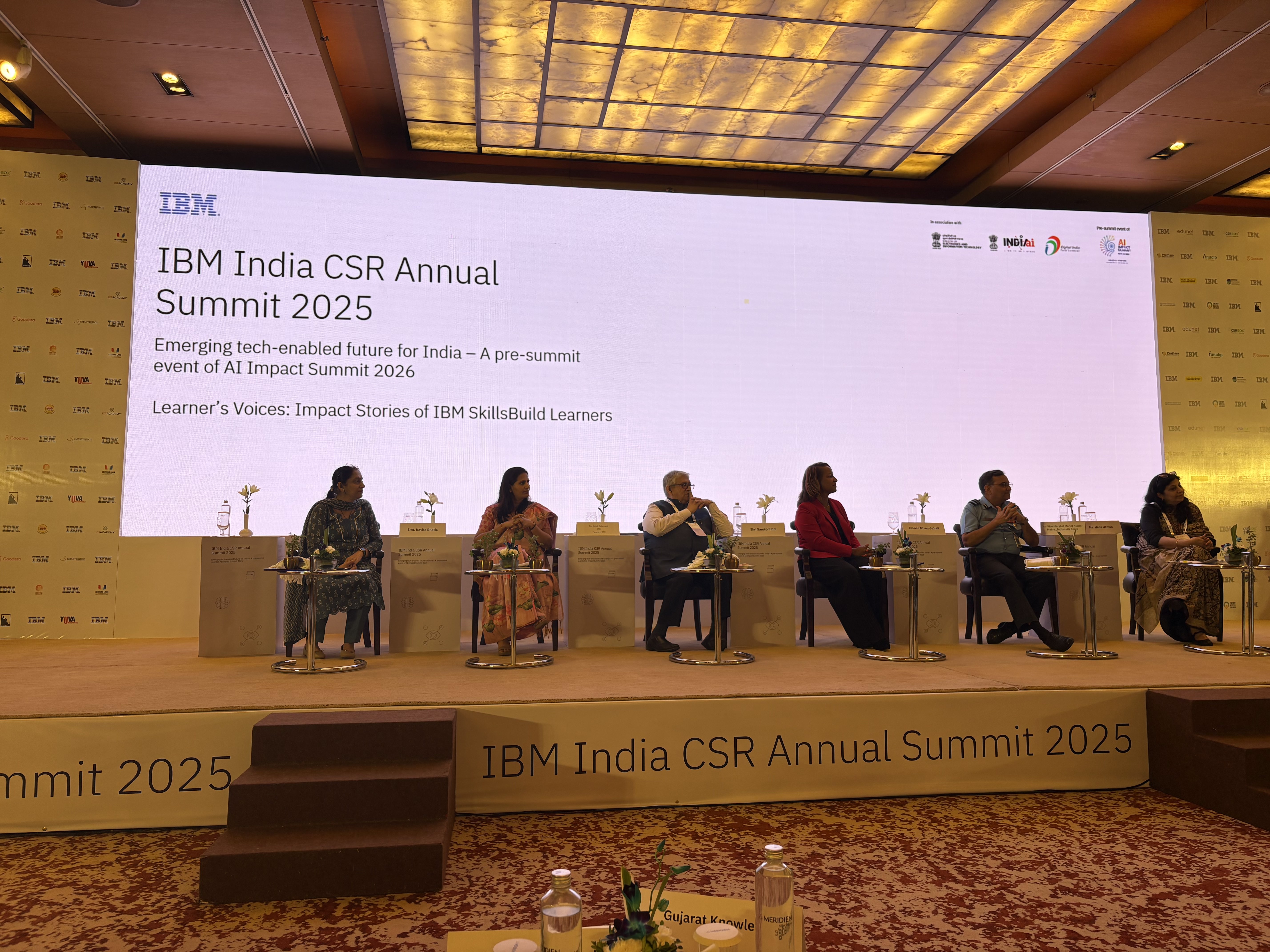
Organized by IBM India in New Delhi, this conference highlighted AI and emerging technologies driving India’s digital growth with a focus on inclusion, sustainability, and human capital development. The event featured collaborations like the IBM–AICTE AI Lab and showcased AI skilling impact, fostering partnerships among government, academia, and industry to realize Viksit Bharat 2047
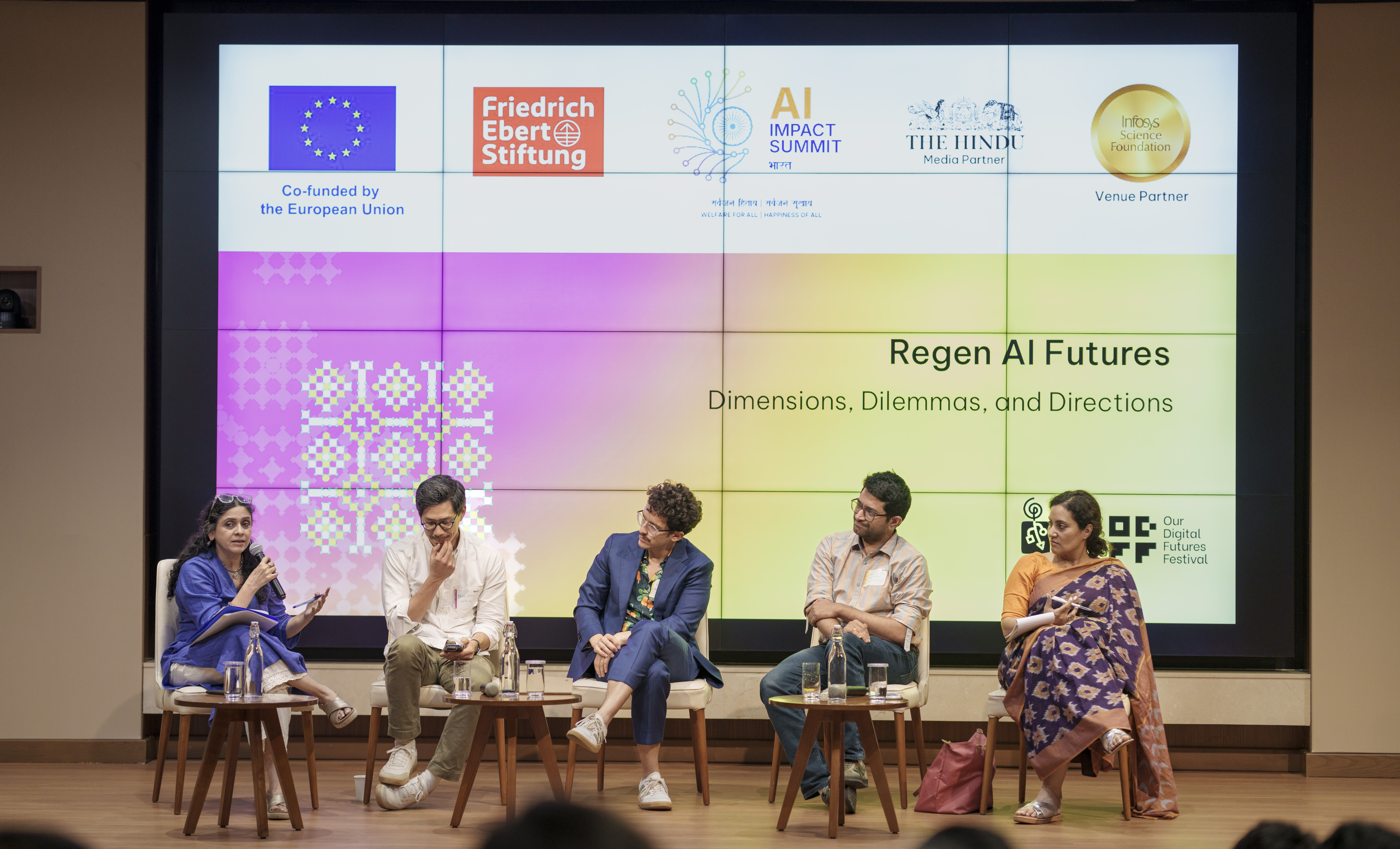
On October 31, 2025, IT for Change convened the “Towards Regenerative AI: Frames for Inclusive, Indigenous & Intentional Innovation” conference at the Infosys Science Foundation in Bengaluru. Global scholars, technologists, policymakers, and civil society leaders explored regenerative approaches to AI - centering inclusion, indigeneity, and intentionality to envision equitable, sustainable, and culturally rooted AI futures. The event advanced India’s leadership in just, resilient digital innovation, producing policy briefs, case studies, and cross-sector partnerships for the IndiaAI Impact Summit 2026.
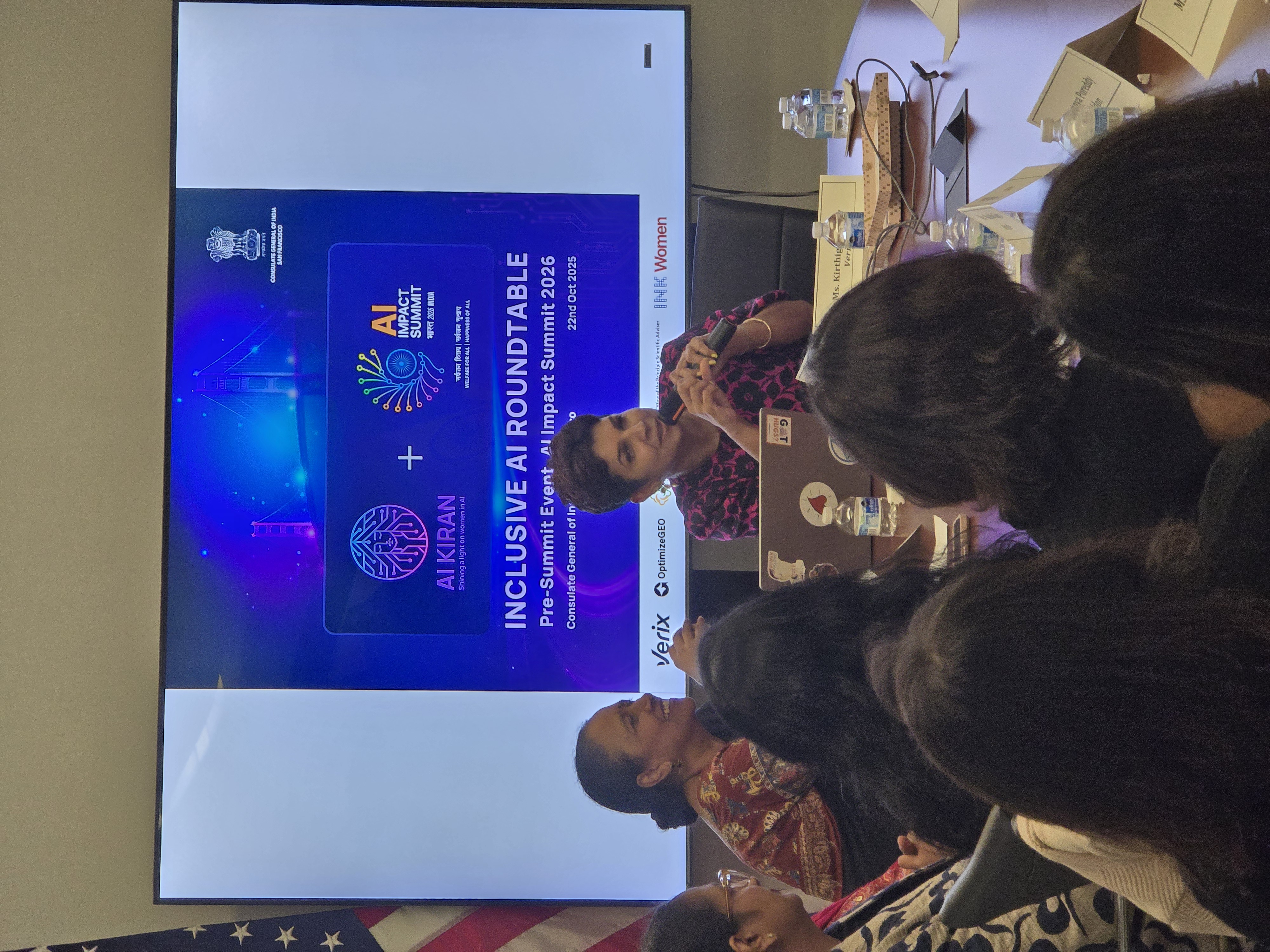
The Inclusive AI Roundtable Dinner, held at the Consulate General of India in San Francisco on October 22, 2025, convened over 30 women leaders from the Indian diaspora driving global AI innovation. Co-hosted by the Consulate and AI Kiran (a Verix and INK Women initiative), the invite-only pre-summit event featured a dialogue on inclusive leadership, workforce transformation, and ethical AI. The discussion advanced collaboration between industry, government, and academia, highlighting India's leadership in responsible AI and aligning with the IndiaAI Summit 2026 themes of Inclusion and Human Capital.
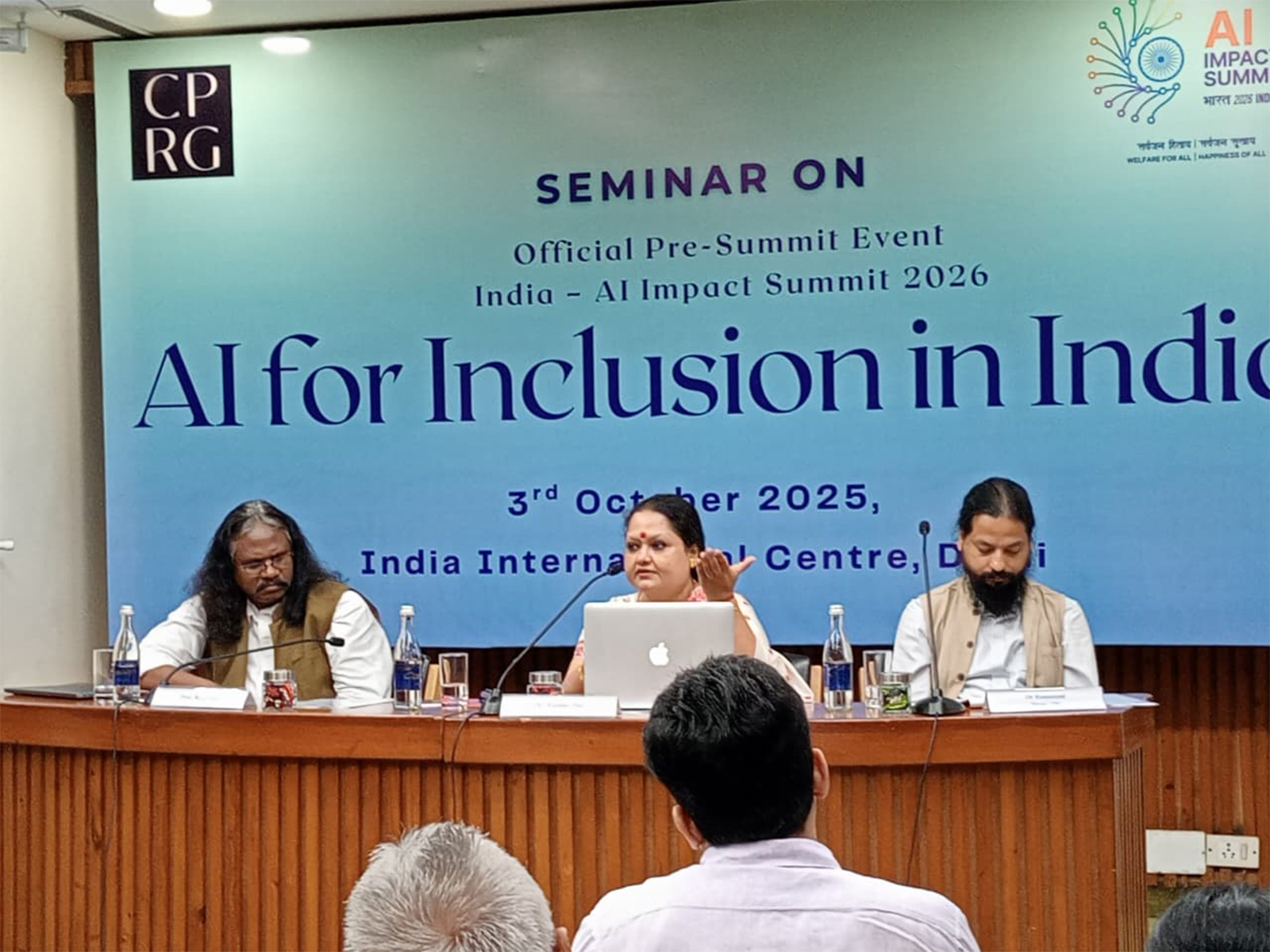
The "AI for Inclusion in India" panel discussion organized by the Center of Policy Research and Governance brought together diverse stakeholders, including students, professionals, educators, and civil society to explore AI’s role in promoting access and equitable opportunities. Through two thematic panels, the event focused on diversity and accessibility within the Indian context, grounding discussions in real-world experiences.
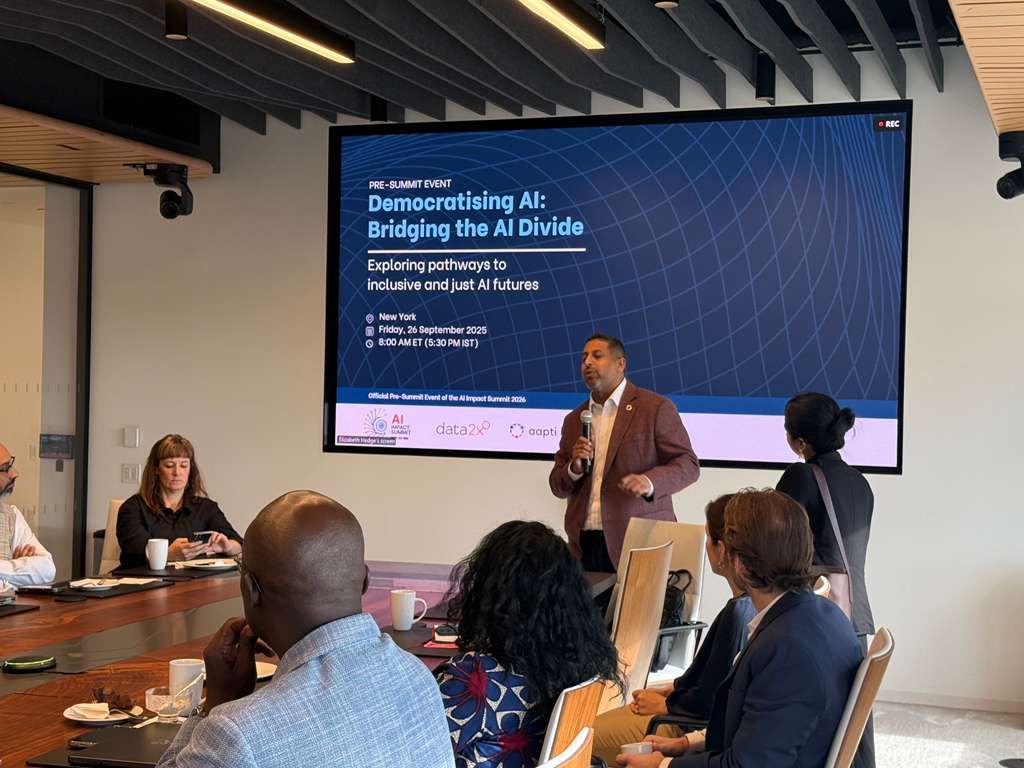
Aapti Institute, in partnership with Data2X, hosted a roundtable on Bridging the AI Divide and Enabling the Democratisation of AI. The discussion highlighted global south priorities, the importance of civil society collaboration, and placing people's agency at the centre of AI governance, shaping expectations for the India–AI Impact Summit 2026.
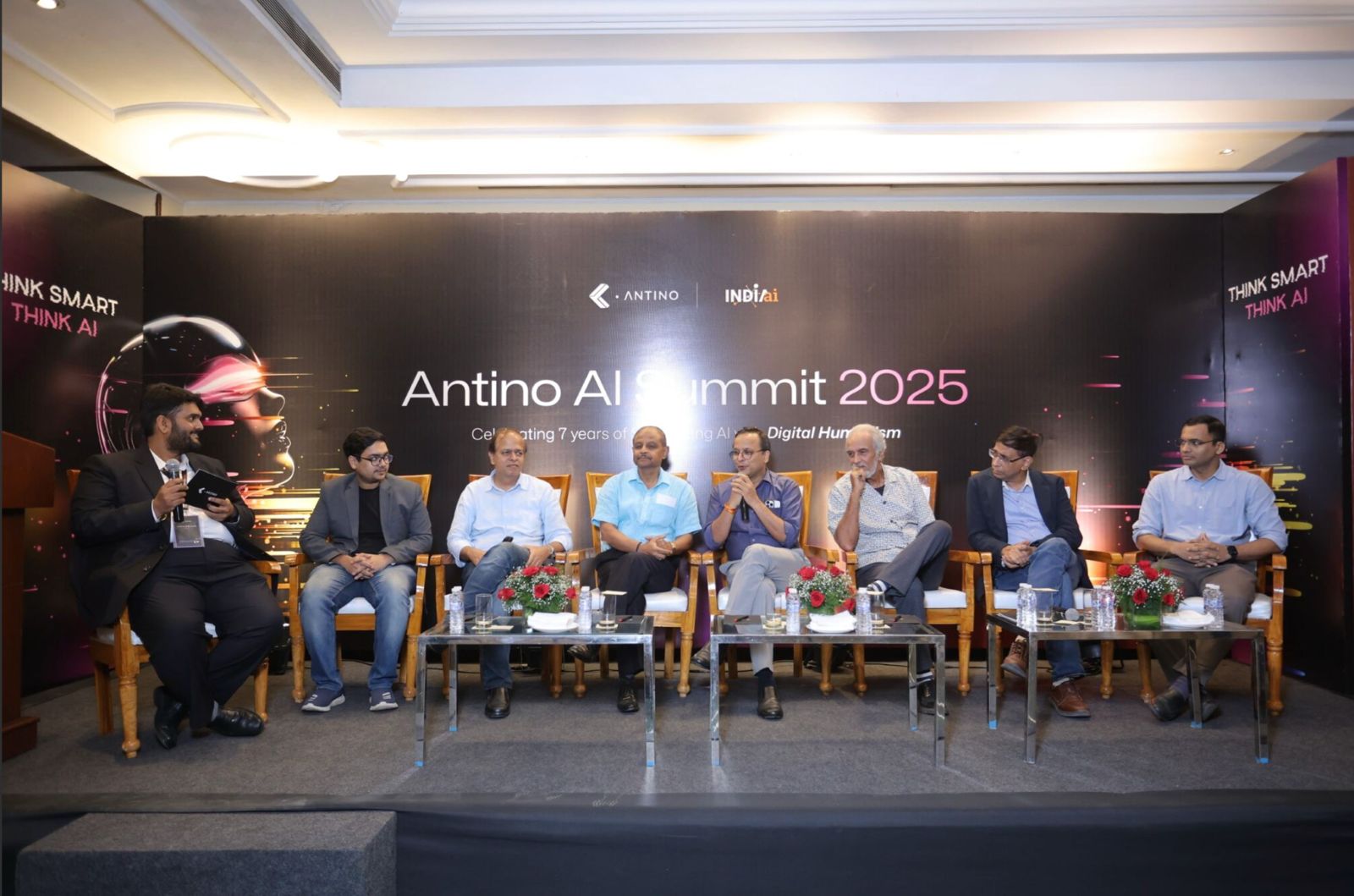
The Antino AI Summit 2025, themed Synergizing AI with Digital Humanism, explored how AI can drive social good while remaining safe, inclusive, and human-centered. Through keynotes, panels, and startup showcases, participants discussed workforce transformation, democratizing AI access, and ethical practices, fostering collaboration and actionable insights for responsible AI adoption.
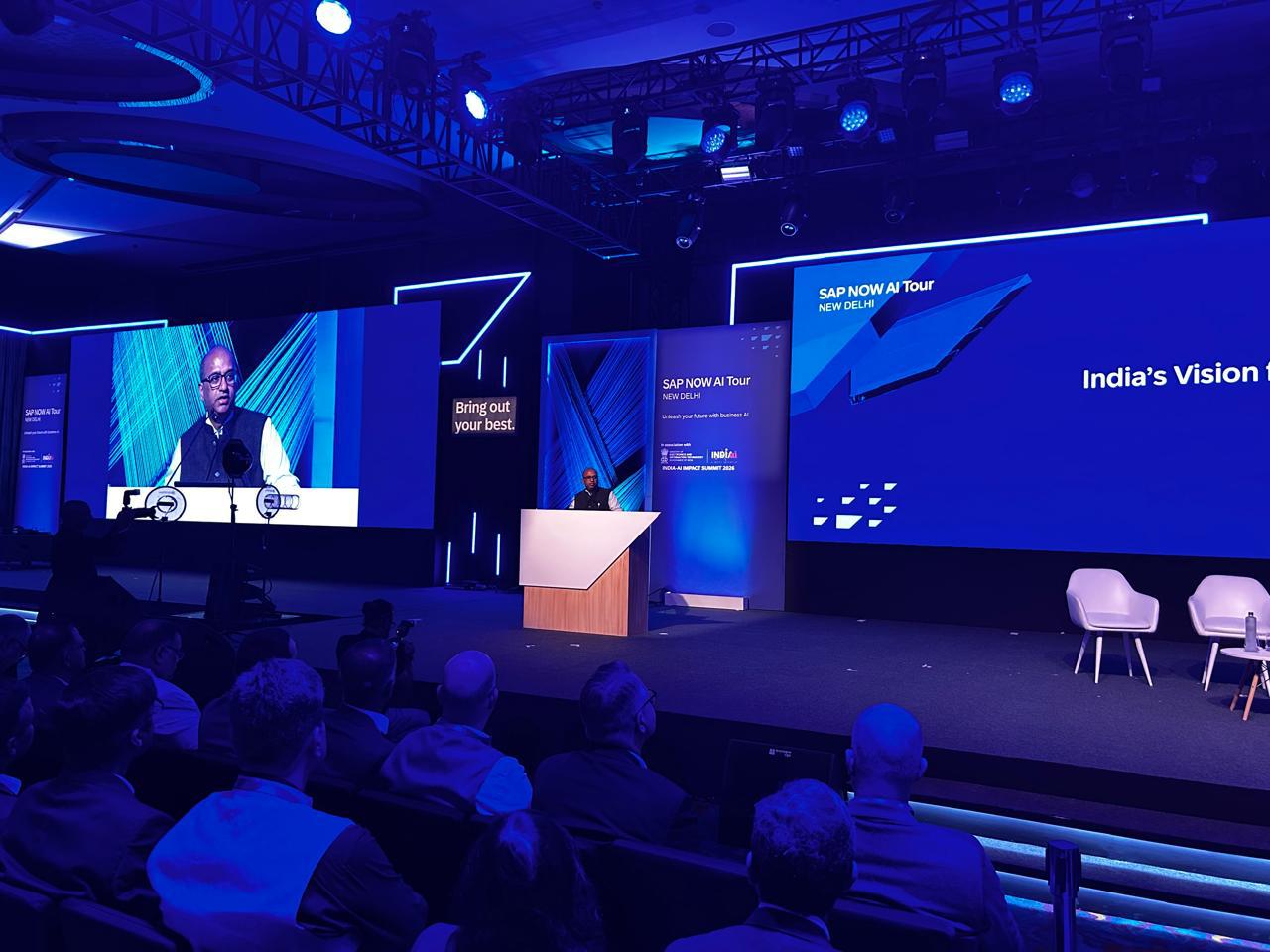
The SAP NOW AI Tour in New Delhi demonstrated how AI can strengthen human capital, promote inclusion, and support safe, trusted, and socially beneficial applications of technology.
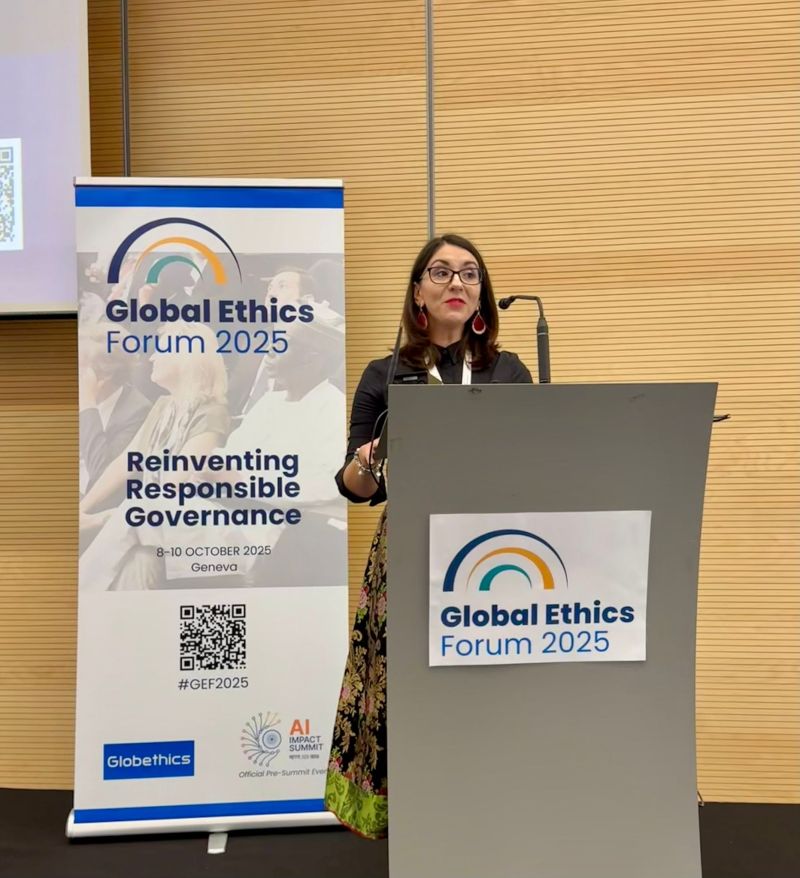
The Global Ethics Forum 2025, held in Geneva, convened policymakers, academics, civil society, and industry leaders to explore ethical challenges in governance under the theme “Reinventing Responsible Governance.” The AI track focused on safe and trusted AI and inclusion, featuring plenaries and breakout sessions to generate actionable recommendations for the IndiaAI Impact Summit 2026. The Forum emphasized diverse representation, civil society’s role, and multisectoral dialogue to address AI safety risks and foster inclusive, ethically governed AI systems, producing outcome reports on AI safety and inclusion designed to inform the Summit.

