Working Groups At The AI Impact Summit / Human Capital
Human Capital Working Group
Advancing equitable skilling and inclusive workforce transitions for an AI-enabled future of work.

About The Working Group
AI is changing the nature of work at an unprecedented pace, creating new opportunities while also disrupting traditional livelihoods. However, realising the full promise of AI requires proactive skilling, adaptive institutions, and forward-looking policies to ensure that its benefits are shared equitably across all regions and income groups. The Human Capital thematic working group will work towards developing an equitable AI reskilling ecosystem that supports inclusive workforce transitions.
Vision & Objectives
Building an equitable global AI ecosystem
The discussions in the Human Capital working group will explore pathways to equip individuals, irrespective of geography, gender, or socio-economic background, with the skills required to participate meaningfully in the evolving AI economy.
Leadership
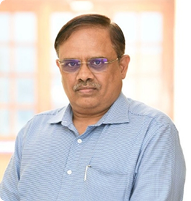
Prof. TG Sitharam
India Co-Chair
Chairman, All India Council of Technical Education (AICTE), Govt of India
Prof. (Dr.) T G Sitharam took over as Chairman, All India Council of Technical Education (AICTE), Govt of India on December 21, 2022. He is a visionary academic leader with 35+ years of shaping technical education, skilling, research, and innovation. He is the architect of scalable, tech-integrated models, and has spearheaded NEP 2020 reforms, industry partnerships, and national projects. He has established Centers of Excellence in AI, drones, cybersecurity, and emerging technologies, transforming institutions and impacting millions through grassroots and digital initiatives. With over four decades of pioneering contributions in civil and geotechnical engineering, infrastructure development, and technical education policy, Prof. T. G. Sitharam blends scientific depth with nation-building foresight. He is ranked among the top 2% of scientists globally (Stanford) and is recognized as a rare leader who bridges academia, government, and community innovation.

Philippines
Country Co-Chair

Rwanda
Country Co-Chair
Key Issues
Understanding the global AI divide and our approach to bridging it
The Challenge
Automation, intelligent systems, and data-driven processes are increasingly taking over routine and repetitive tasks, reshaping traditional job structures and skill requirements. While these developments can drive efficiency and innovation, they also risk displacing segments of the workforce, particularly in labour-intensive and intermediary roles, potentially widening existing socio-economic divides if not managed carefully.
The Solution
At the same time, many countries, especially in the Global South, face capacity and resource gaps that constrain their ability to prepare workers for the AI-enabled economy. This presents an opportunity for the international community to collaborate on meaningful reskilling initiatives that build workforce readiness for the digital and AI driven future.
The Impact
Ensuring a just and inclusive transition requires prioritising reskilling and upskilling initiatives that equip individuals affected by automation with the capabilities needed to adapt to new and emerging roles.
Meeting Schedule
5th-6th January 2026
Hybrid Meeting (Guwahati)

Help shape the future of global AI by sharing your perspectives, suggestions, and expertise. Your input will contribute to equitable access and inclusive AI innovation worldwide.
Share your input
We value your insights and contributions to the working groups
Related Pre-Summit Events
Join related events building momentum for the summit
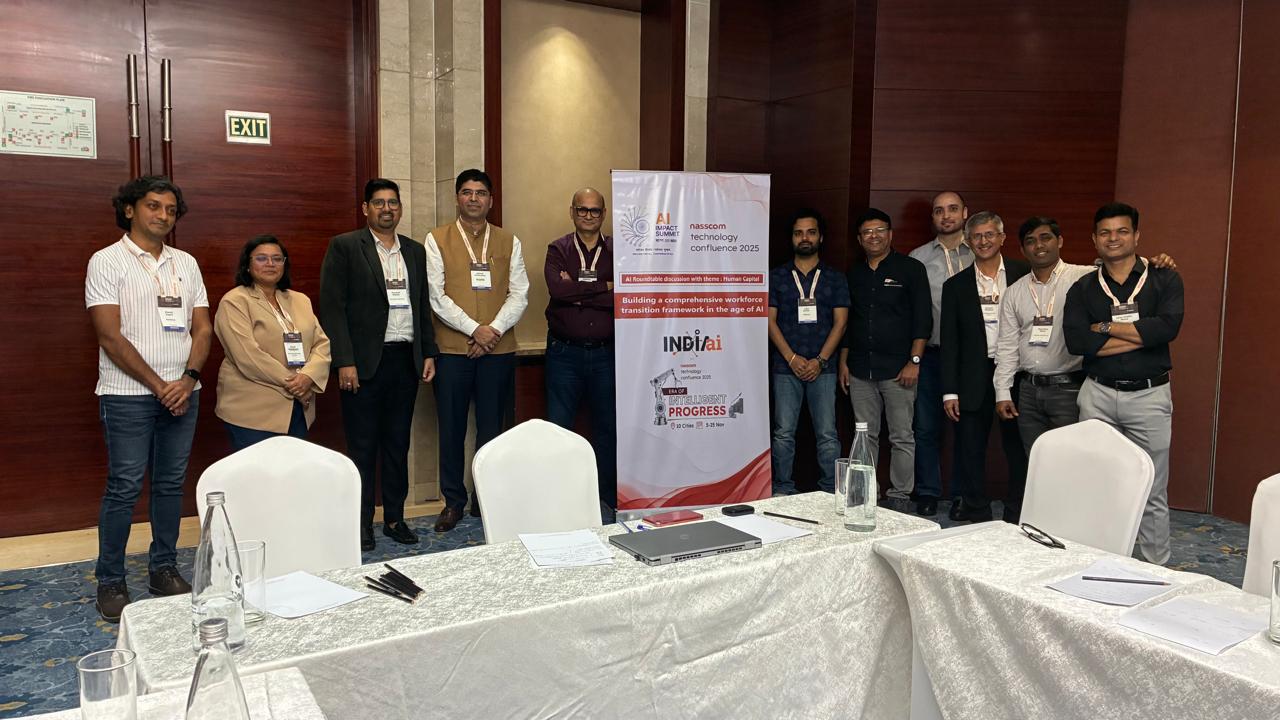
The CXO Roundtables at Nasscom Technology Confluence 2025, held from November 5 to 19 across Pune, Mumbai, Kochi, and Kolkata, gathered senior industry leaders to discuss AI’s role in workforce skilling, resilience, and social impact. Each city focused on themes aligned with the IndiaAI Impact Summit, fostering decentralized dialogue on AI adoption challenges, best practices, and inclusive growth strategies. The roundtables generated actionable insights and regional perspectives to directly inform the IndiaAI Summit, promoting responsible AI integration across India’s industrial hubs.
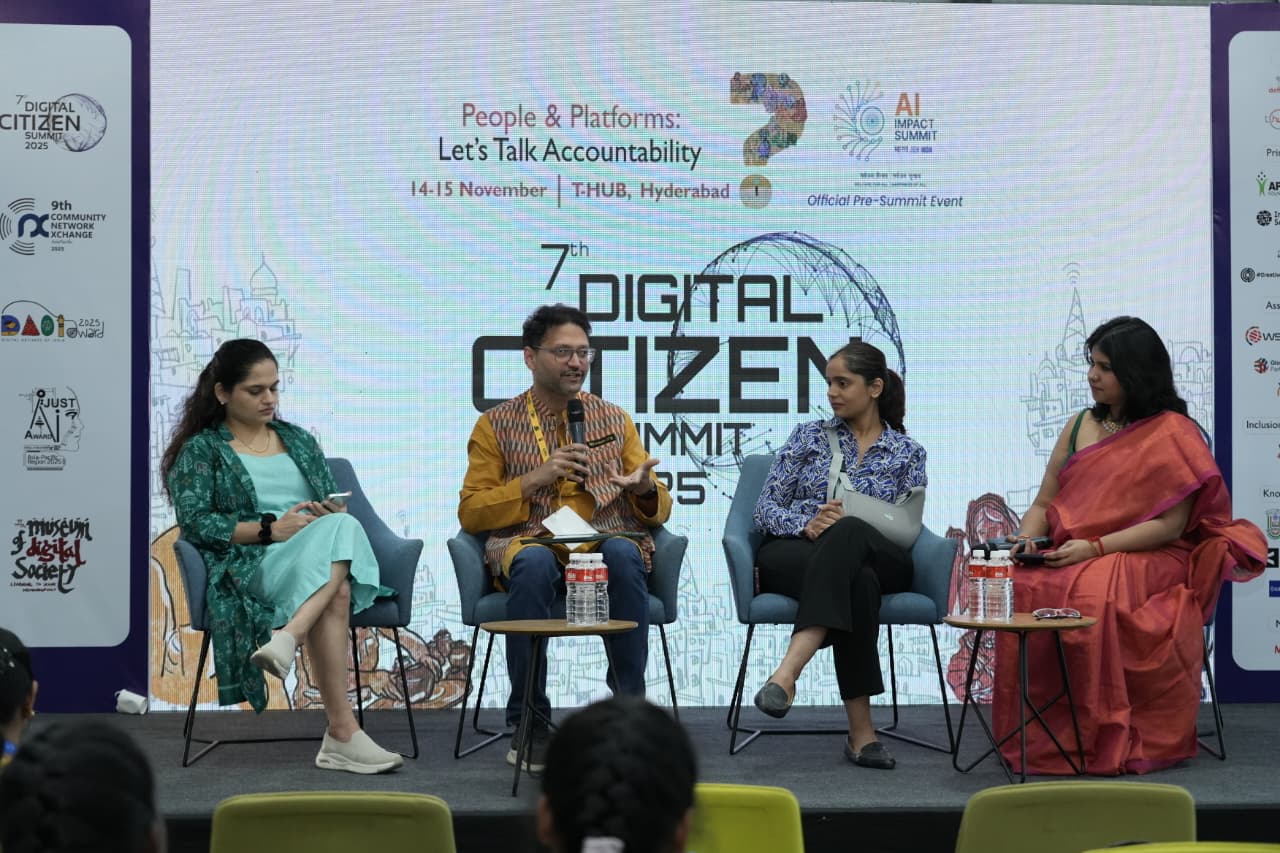
Held in partnership with the Department of IT, E&C, Government of Telangana. The summit brought together policymakers, technologists, civil society leaders, and community representatives to reimagine AI, data governance, and platform accountability for equitable, rights-based digital ecosystems. Featuring anthology launches, toolkit releases, and the Just AI Awards 2025, the event advanced dialogue on ethical AI, participatory governance, and community resilience—aligning closely with the IndiaAI Impact Summit’s pillars of Human Capital, Inclusion, and Safe & Trusted AI.
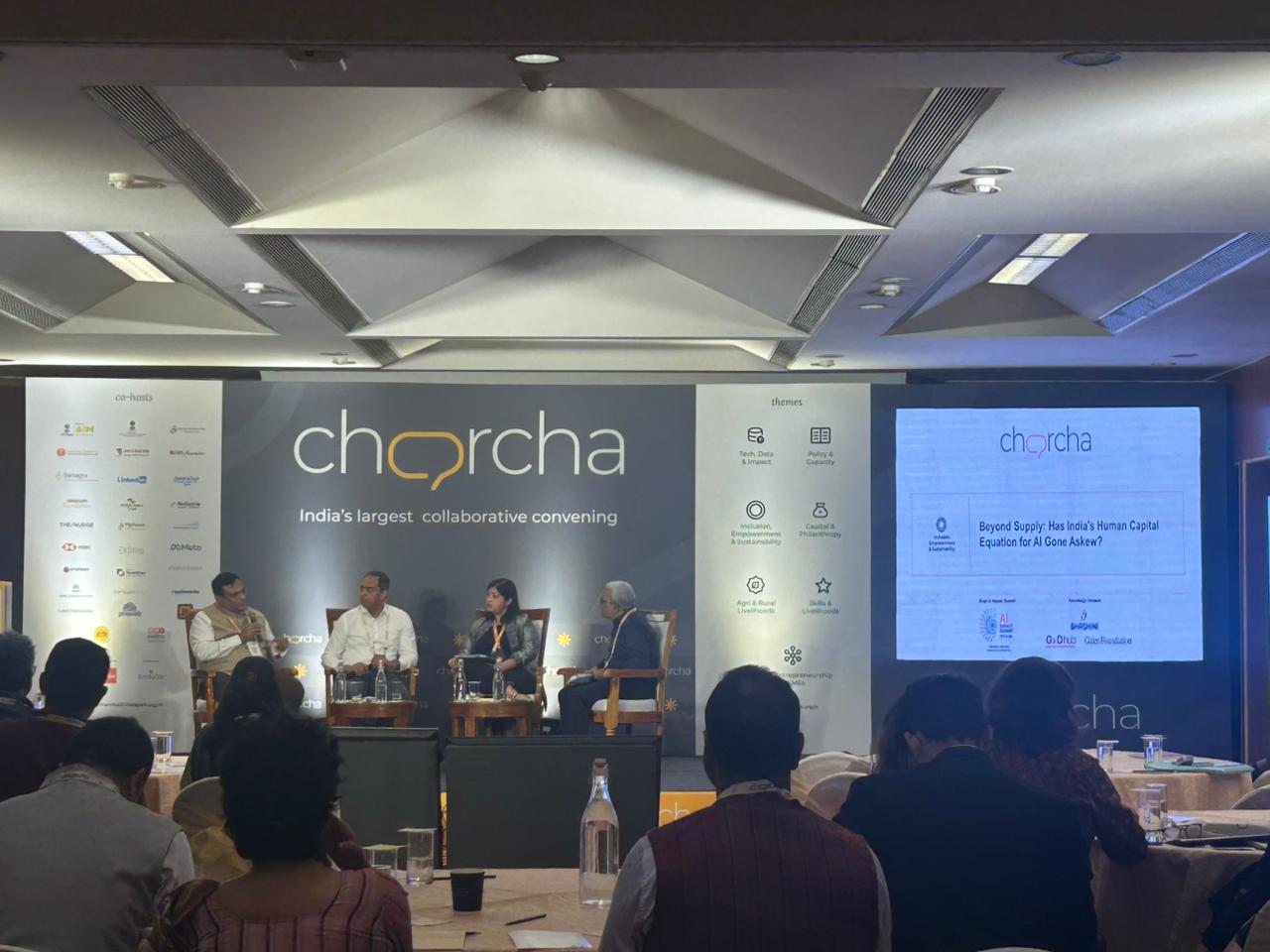
The session focused on building sustainable market demand for women’s participation in AI-enabled and digital work ecosystems. Shifting the lens from supply-side skilling to demand-driven solutions, the discussion explored strategies, partnerships, and market mechanisms that integrate women into digital value chains. It examined models ensuring fair compensation, safety, and long-term viability for women’s digital livelihoods. Aligned with the IndiaAI Mission’s Human Capital and Inclusion pillars, the session emphasized structural pathways to embed gender inclusion in the AI economy and advance equitable, future-ready workforce development.
An exclusive pre-summit fireside chat featuring Jessica Jensen (LinkedIn) in conversation with Kirthiga Reddy. The session brought together senior leaders, CXOs, and policymakers to discuss how AI can drive inclusive growth, workforce transformation, and digital leadership. Building on the IndiaAI Summit 2026 theme of “People, Planet, and Progress”, the dialogue highlighted strategies for equitable access, large-scale skilling, and responsible AI governance, reinforcing collaboration toward a more diverse and inclusive AI ecosystem.
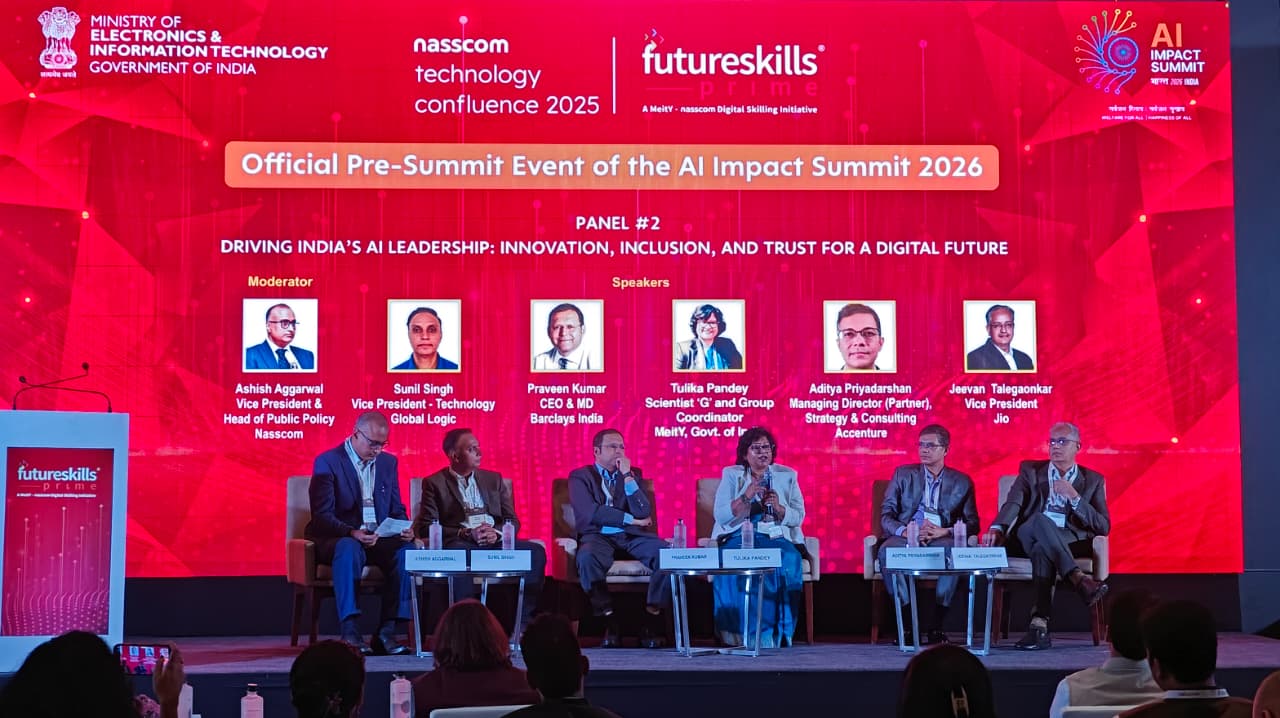
The event united industry leaders, policymakers, innovators, and technologists under the theme “The Era of Intelligent Progress.” This edition explored how AI-driven innovation, human capital development, and collaborative ecosystems were shaping India’s sustainable and inclusive digital future. The panel delved into AI adoption, workforce transformation, and responsible innovation, emphasizing technology’s role in driving both economic growth and social good. With discussions on AI safety, governance, and workforce resilience, the Confluence aimed to strengthen India’s position as a global leader in ethical, human-centered, and future-ready digital transformation.
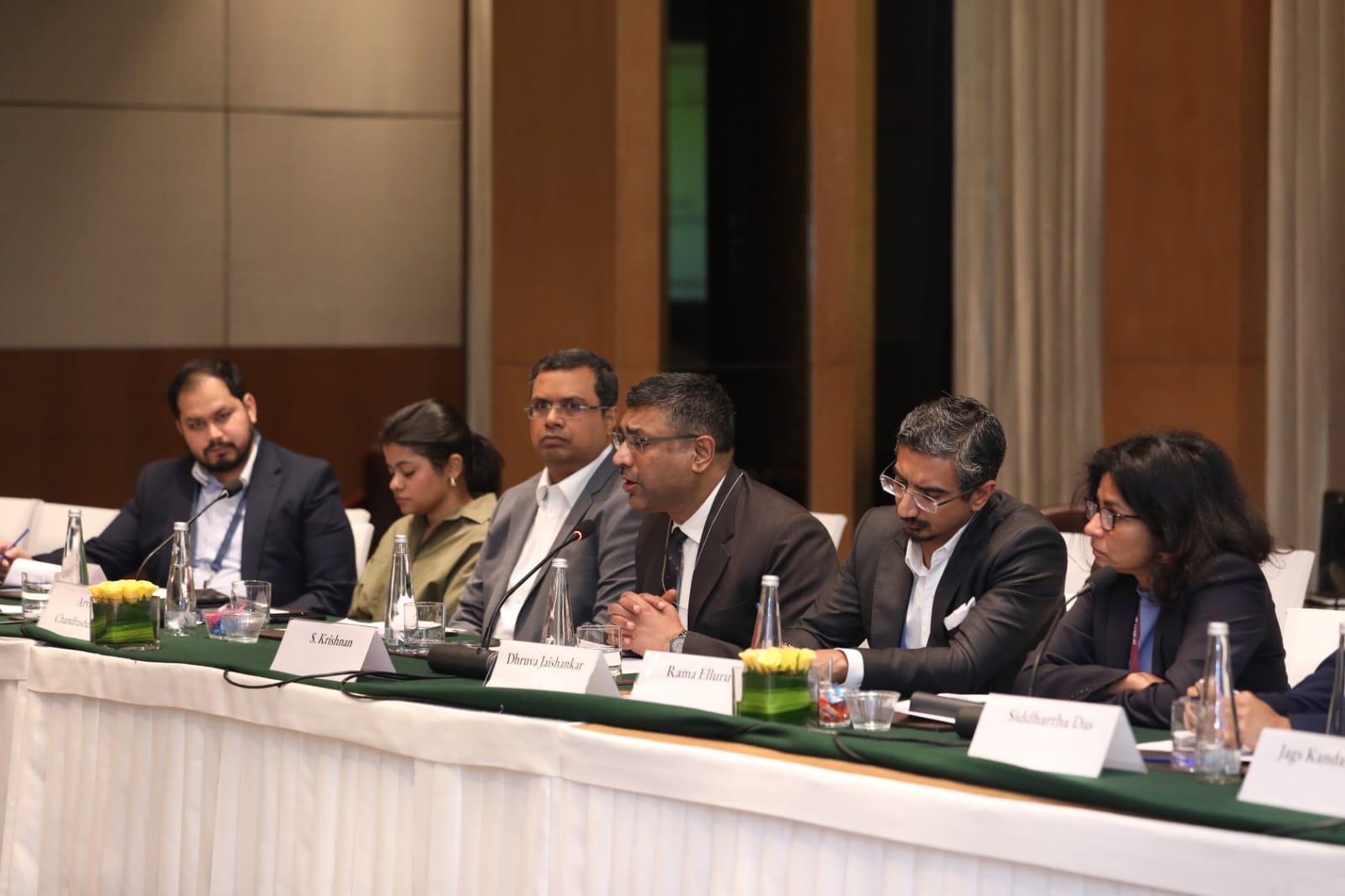
The U.S.–India AI & Technology Cooperation Dialogue, held from November 11 to 13, 2025 at The Oberoi New Delhi, was a high-level conference co-chaired by Mr. Mathew Oommen (India) and Hon. Kenneth Juster (U.S.). It aimed to deepen bilateral collaboration on AI and emerging tech by focusing on strengthening infrastructure, fostering applied AI solutions, building a robust talent pipeline, and aligning ethical AI policies. The dialogue reinforced shared commitments to Safe & Trusted AI, Human Capital, and Resilient Infrastructure, supported by major private investments and academic partnerships. This collaboration created a trusted AI corridor combining India’s talent and infrastructure with U.S. capabilities for responsible AI governance.
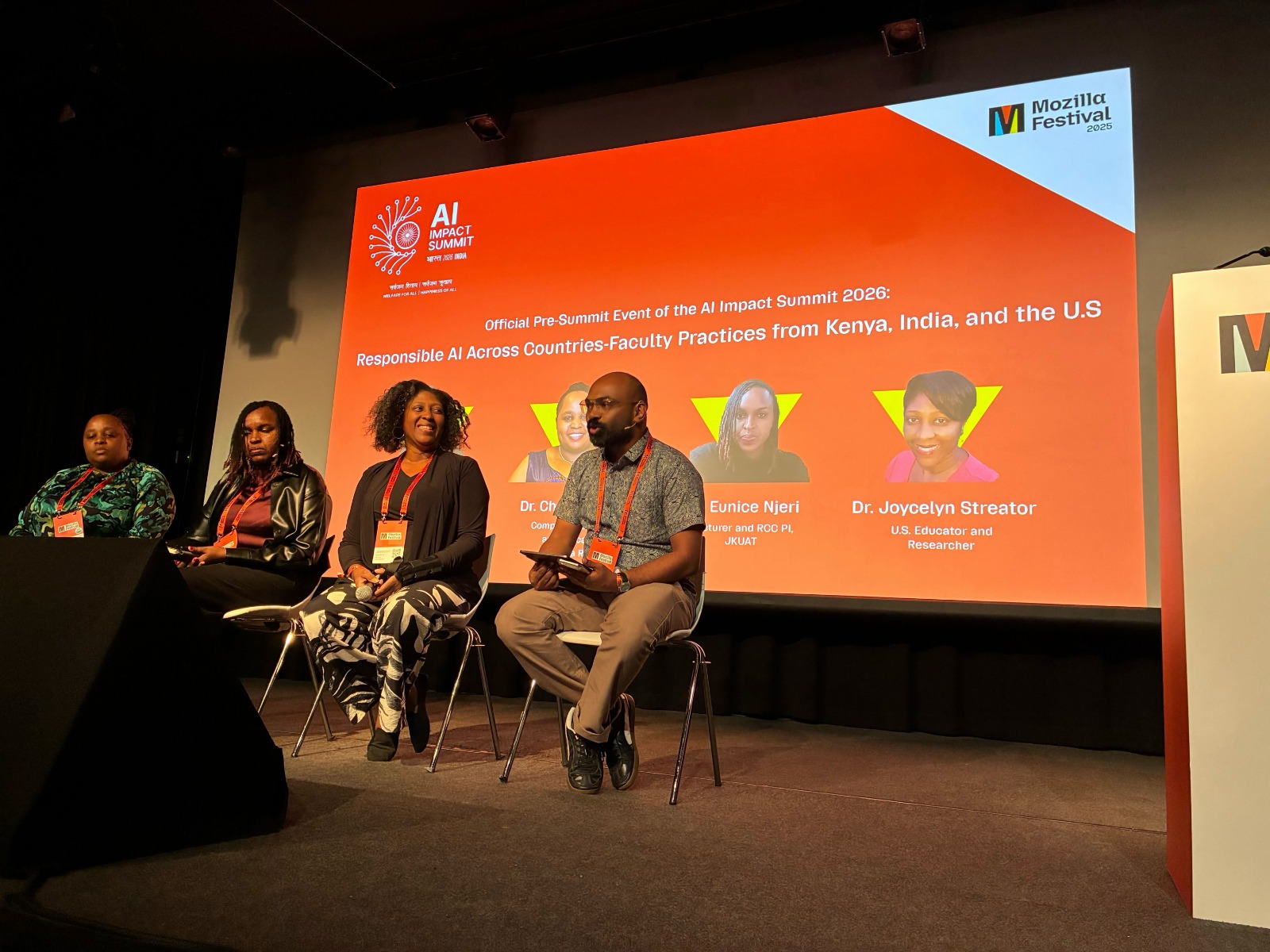
The Mozilla Festival (MozFest) 2025 session titled “Responsible AI Across Countries – Faculty Practices from Kenya, India, and the U.S.,” held on November 8, 2025, in Barcelona, focused on practical, low-compute methods for integrating Responsible AI into higher education curricula. Faculty from the three countries shared approaches including multilingual access, lightweight evaluation frameworks, and AI-ready pedagogy aligned with NEP 2020 and digital inclusion. The session supports the AI Impact Summit’s pillars on Human Capital, Inclusion, Safe & Trusted AI, Science, and Democratizing AI Resources, aiming to foster inclusive, equitable AI education worldwide.
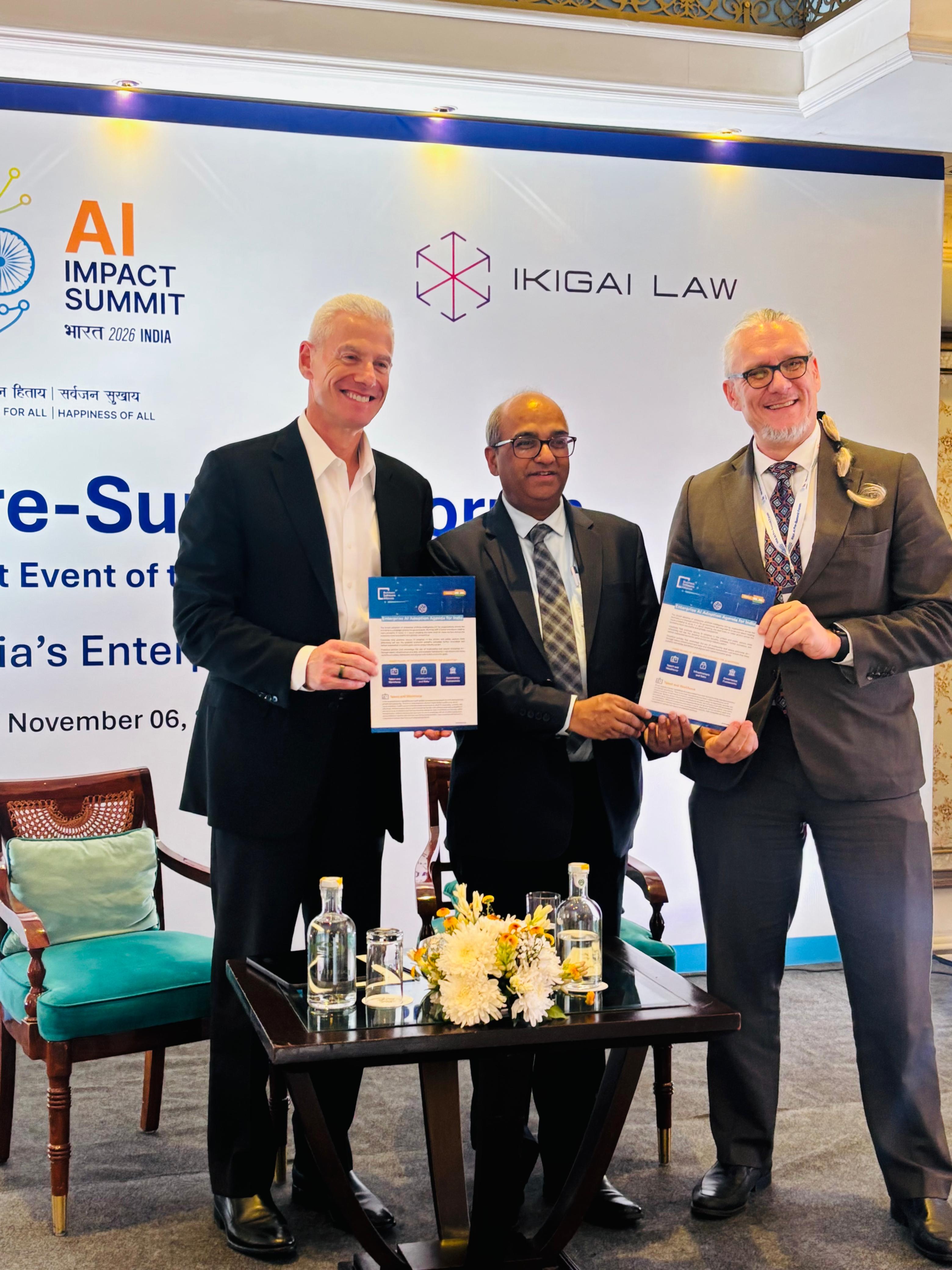
The BSA AI Pre-Summit Forum on November 6, 2025, at The Claridges, New Delhi, highlighted enterprise AI’s transformative potential in India’s public sector and workforce development. The hybrid event convened policymakers, industry leaders, and think tanks to launch the Enterprise AI Adoption Agenda, promoting responsible AI governance, talent skilling, and inclusive digital innovation. With global participation and sector-specific discussions, the Forum reinforced India’s leadership in safe, trusted, and impactful AI adoption.
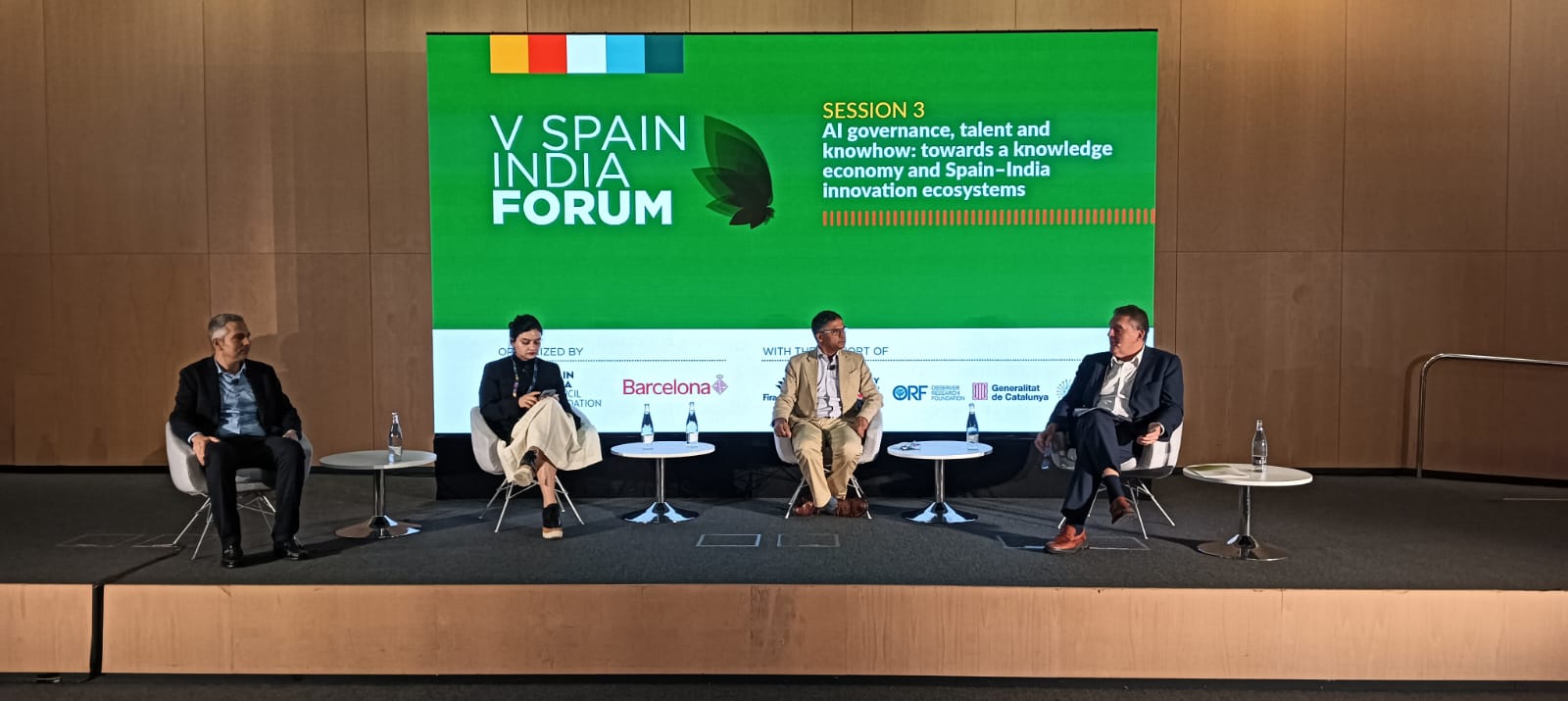
The “AI Governance, Talent and Knowledge: Towards a Knowledge Economy and Spain–India Innovation Ecosystems” roundtable, held on November 5, 2025, at the Smart City Expo World Congress in Barcelona, convened leaders from academia, institutions, startups, and policymakers from India and Spain. The discussion focused on enhancing AI governance and talent development to bolster innovation ecosystems and promote inclusive, sustainable growth within the global knowledge economy. The roundtable fostered bilateral collaboration, best practice exchange, and policy pathways to strengthen the India–Spain AI partnership.
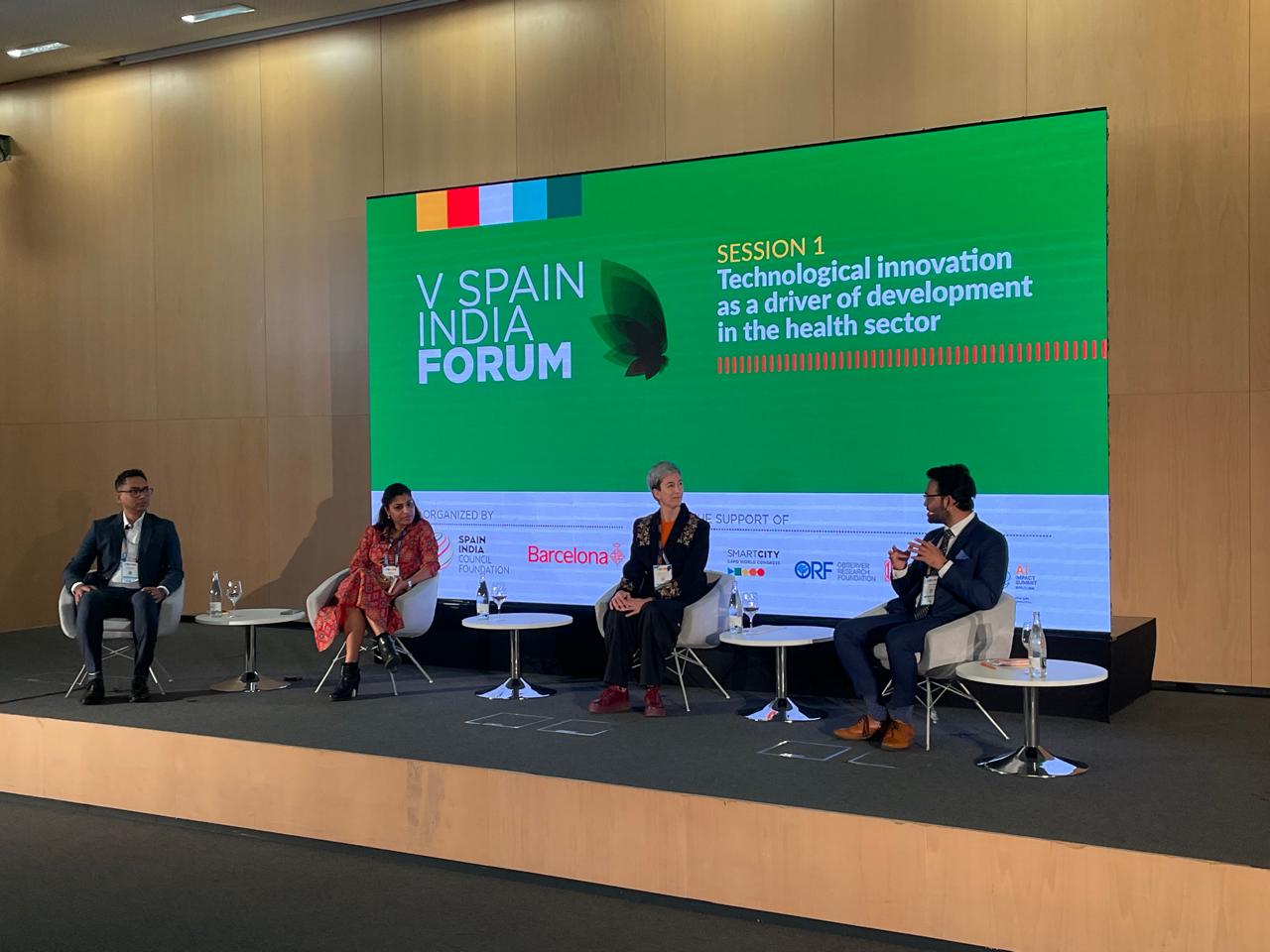
The panel "Digital Talent and Technological Innovation as Drivers of Development in Health and AI, " held on November 5, 2025, at the Smart City Expo World Congress in Barcelona, brought together leaders from tech companies, academia, R&D, and incubators to foster India–Spain collaboration in AI-powered healthcare innovation. The discussion focused on advancing healthcare systems, improving patient outcomes, and strengthening biomedical research, highlighting the role of digital talent and AI-driven innovation in global health."
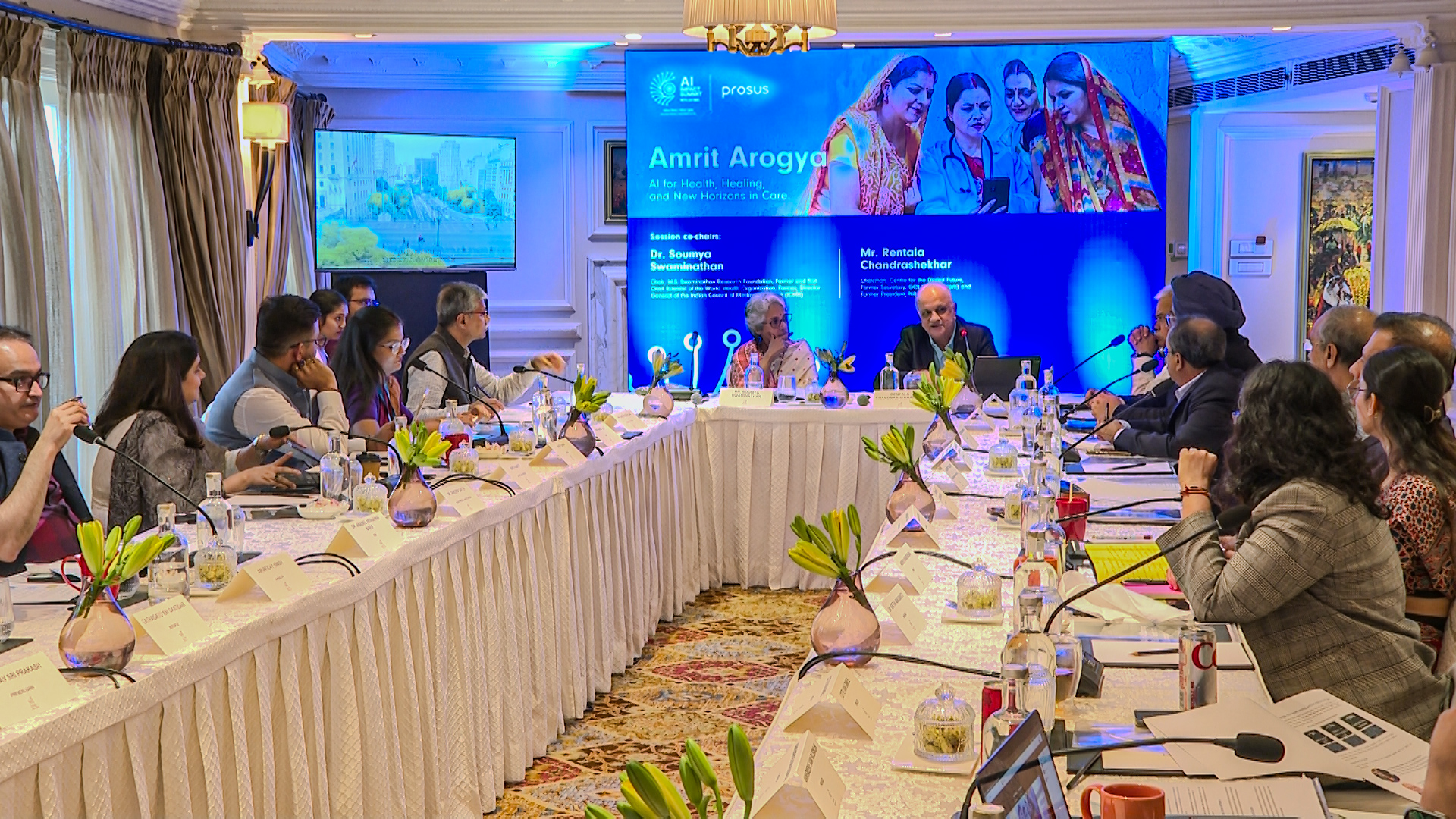
The “AI for All: Catalysing Jobs, Growth, and Opportunity” roundtable series, held from November 3, 2025, to January 31, 2026, across Delhi, Mumbai, and Bangalore, focused on shifting the AI discourse in India toward job creation and inclusive economic growth. Engaging government, industry leaders, researchers, and startups, the sessions explored sector-specific pathways in healthcare, agriculture, education, manufacturing, and finance to expand AI-driven employment opportunities. The series culminated in a comprehensive White Paper to inform policymaking and support India’s human capital transformation as a global leader in ethical, equitable AI development.
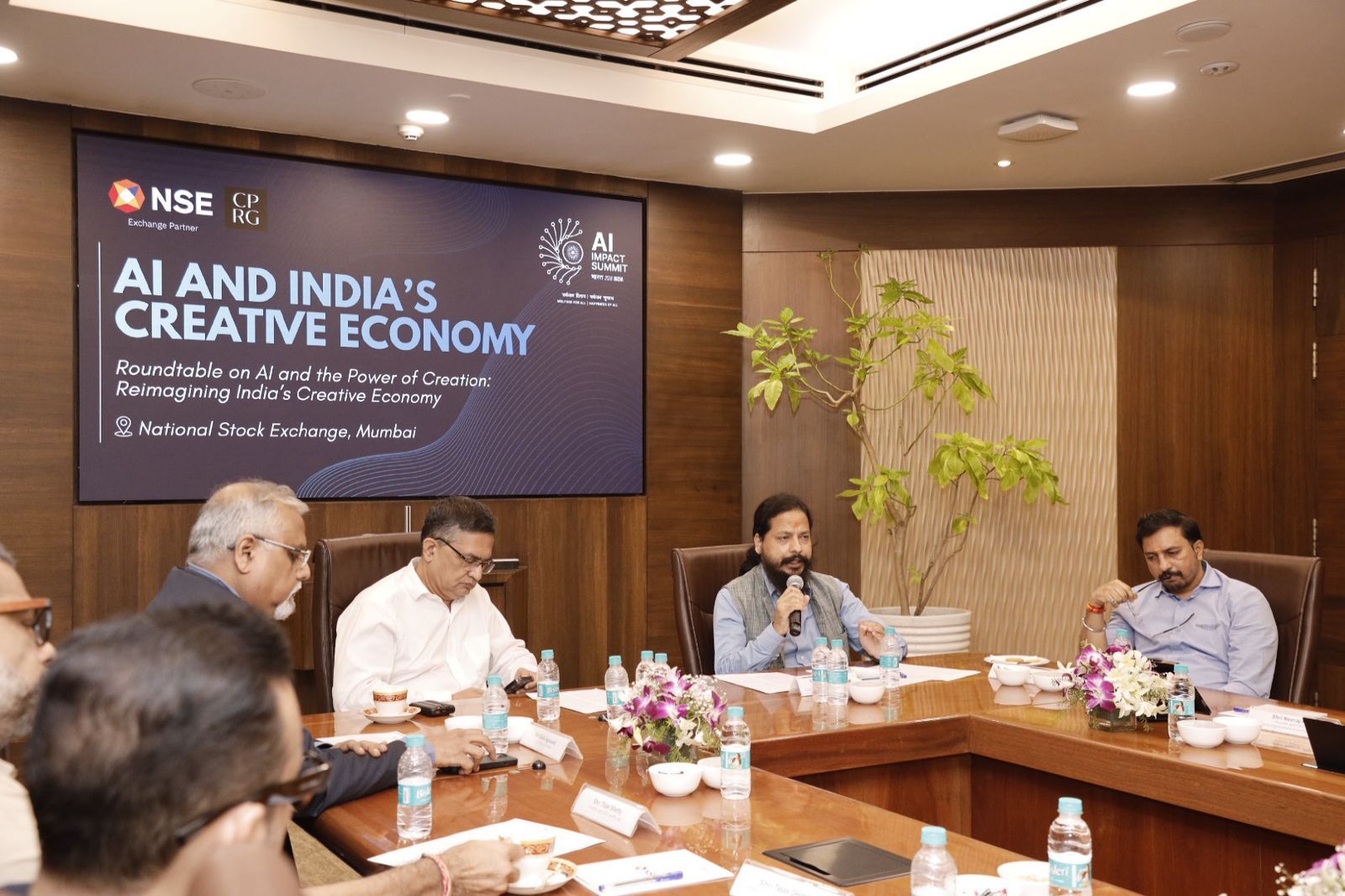
The AI and the Future of Film and Media Industry Forum held on November 1, 2025, at the National Stock Exchange in Mumbai explored AI's transformative role across the cinematic value chain, from scriptwriting to post-production. Featuring leading filmmakers, technologists, and cultural theorists, the forum addressed opportunities for creativity and accessibility alongside challenges in ethics and regulation. The event aligned with the IndiaAI Impact Summit's focus on democratizing AI resources, fostering innovation, and preserving cultural authenticity in the creative economy.
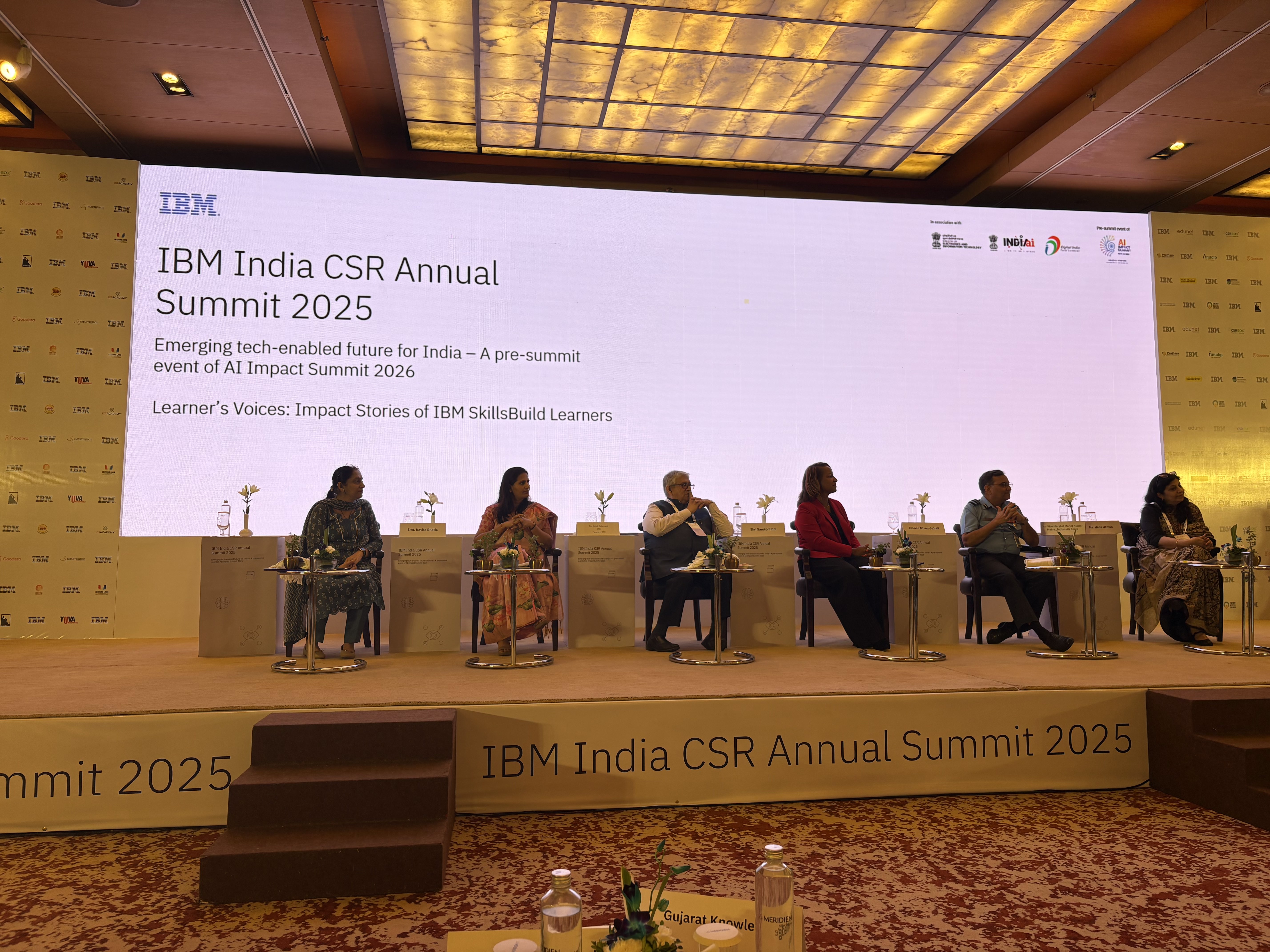
Organized by IBM India in New Delhi, this conference highlighted AI and emerging technologies driving India’s digital growth with a focus on inclusion, sustainability, and human capital development. The event featured collaborations like the IBM–AICTE AI Lab and showcased AI skilling impact, fostering partnerships among government, academia, and industry to realize Viksit Bharat 2047
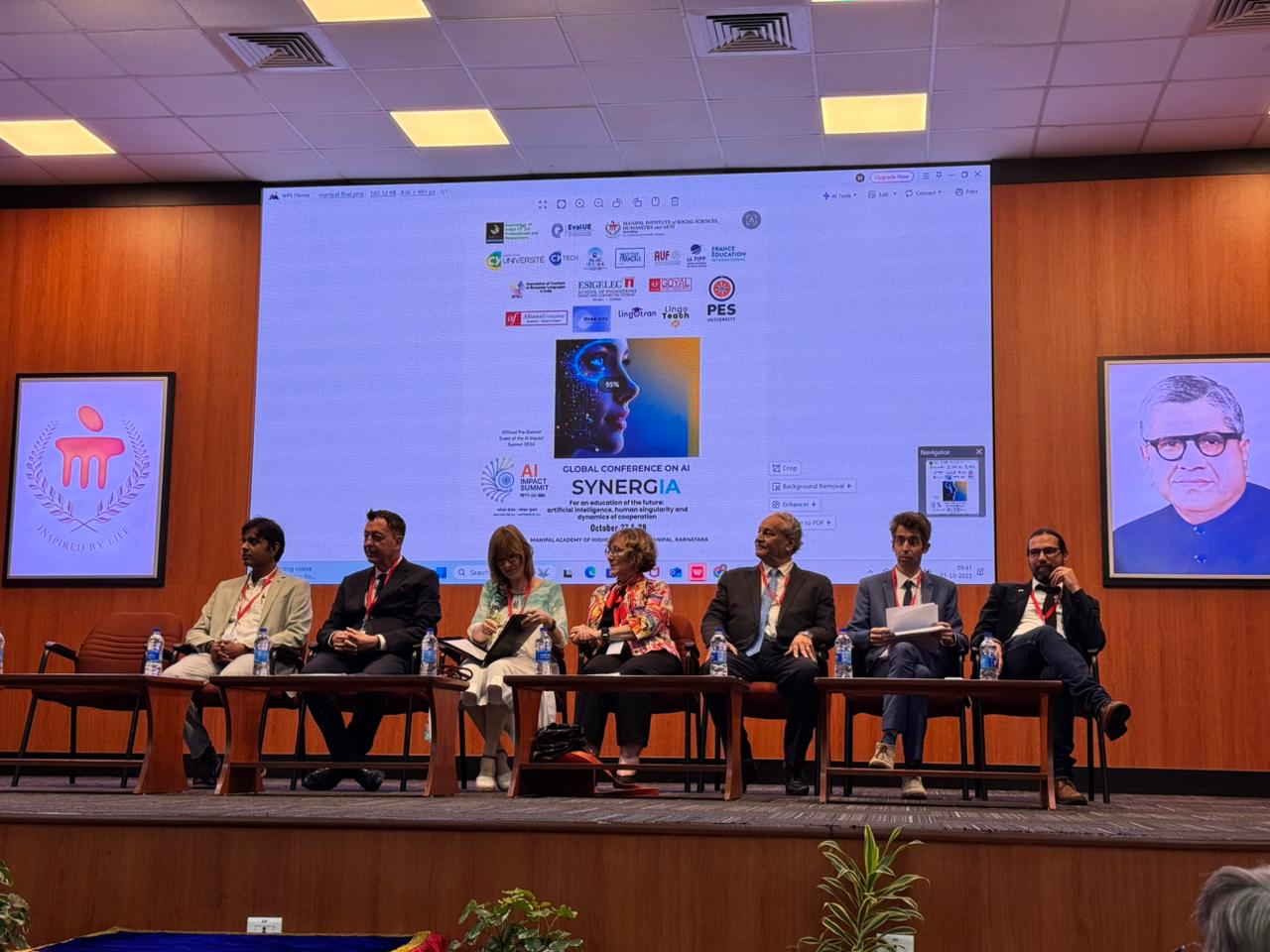
SynergIA 2025 – Global Conference on Artificial Intelligence, held on October 27–28, 2025 at Manipal Academy of Higher Education, united global experts, educators, and policymakers to reimagine education for the age of AI, ethics, and collaborative human-AI futures. With hybrid access and a keynote by Nobel Peace Laureate Ahmed Galai, the event spotlighted AI’s role in pedagogy, neurodiversity, and social good. SynergIA fostered diverse, inclusive, and cross-sector dialogue—empowering participants to lead responsible, equitable, and resilient innovation in global education and technology.
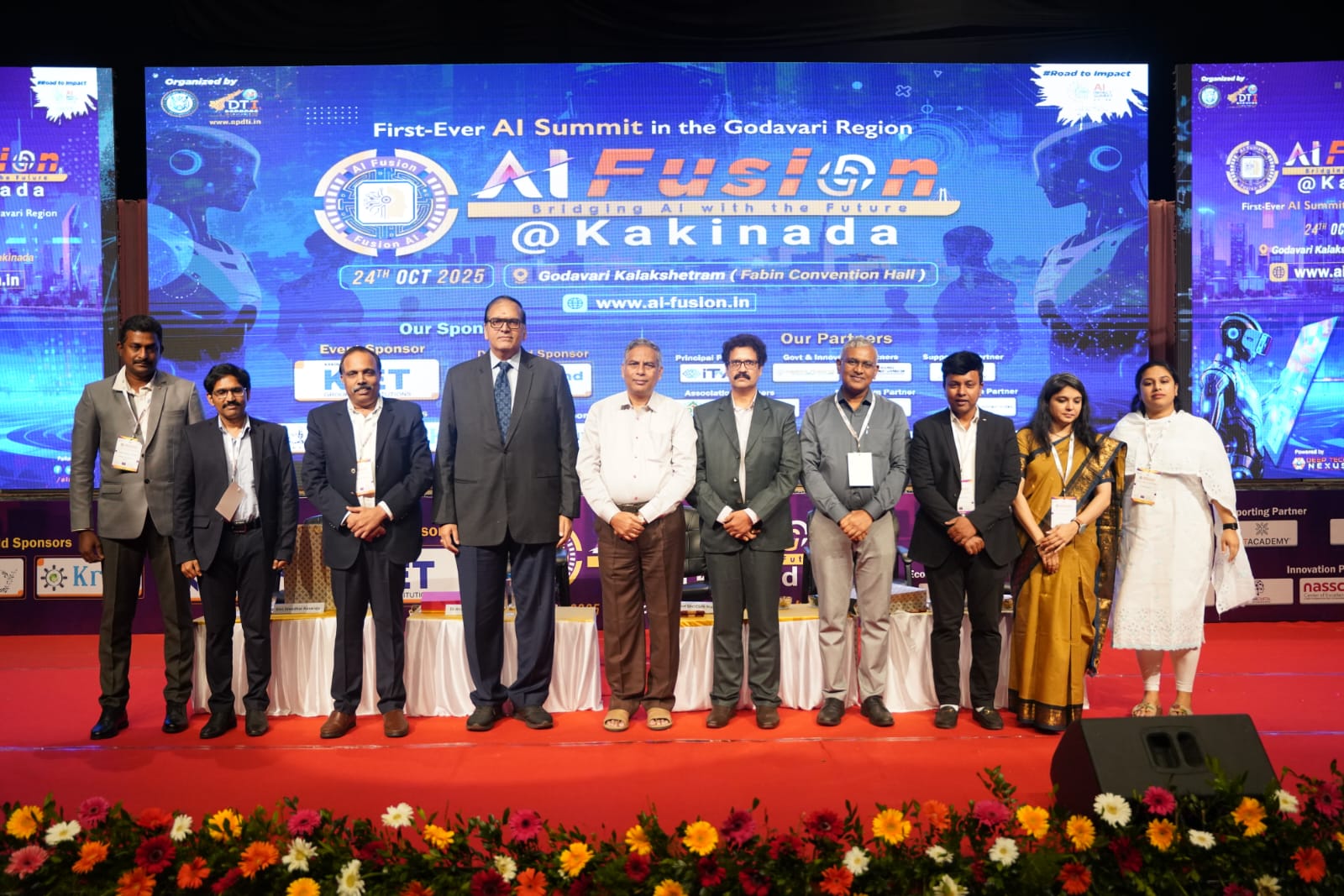
AI Fusion @ Kakinada 2025 marked the first major AI summit in the Godavari region, uniting innovators, startups, industry leaders, and policymakers to explore artificial intelligence's transformative power beyond India's metro cities. Hosted by the DeepTech Naipunya Foundation, the conference spotlighted inclusive innovation, human capital development, and ethical AI adoption—positioning Kakinada as a rising hub for India's AI-driven regional transformation.
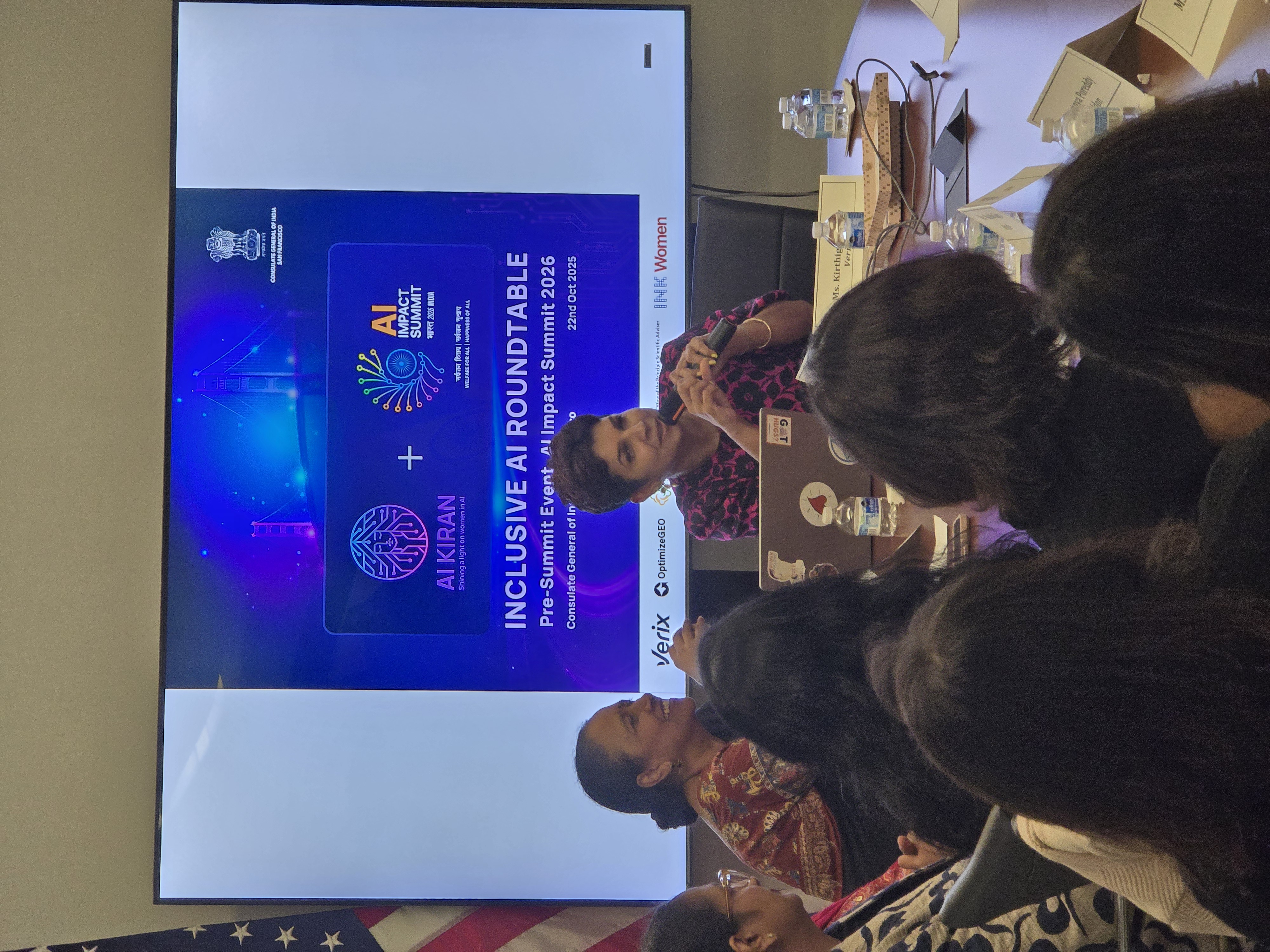
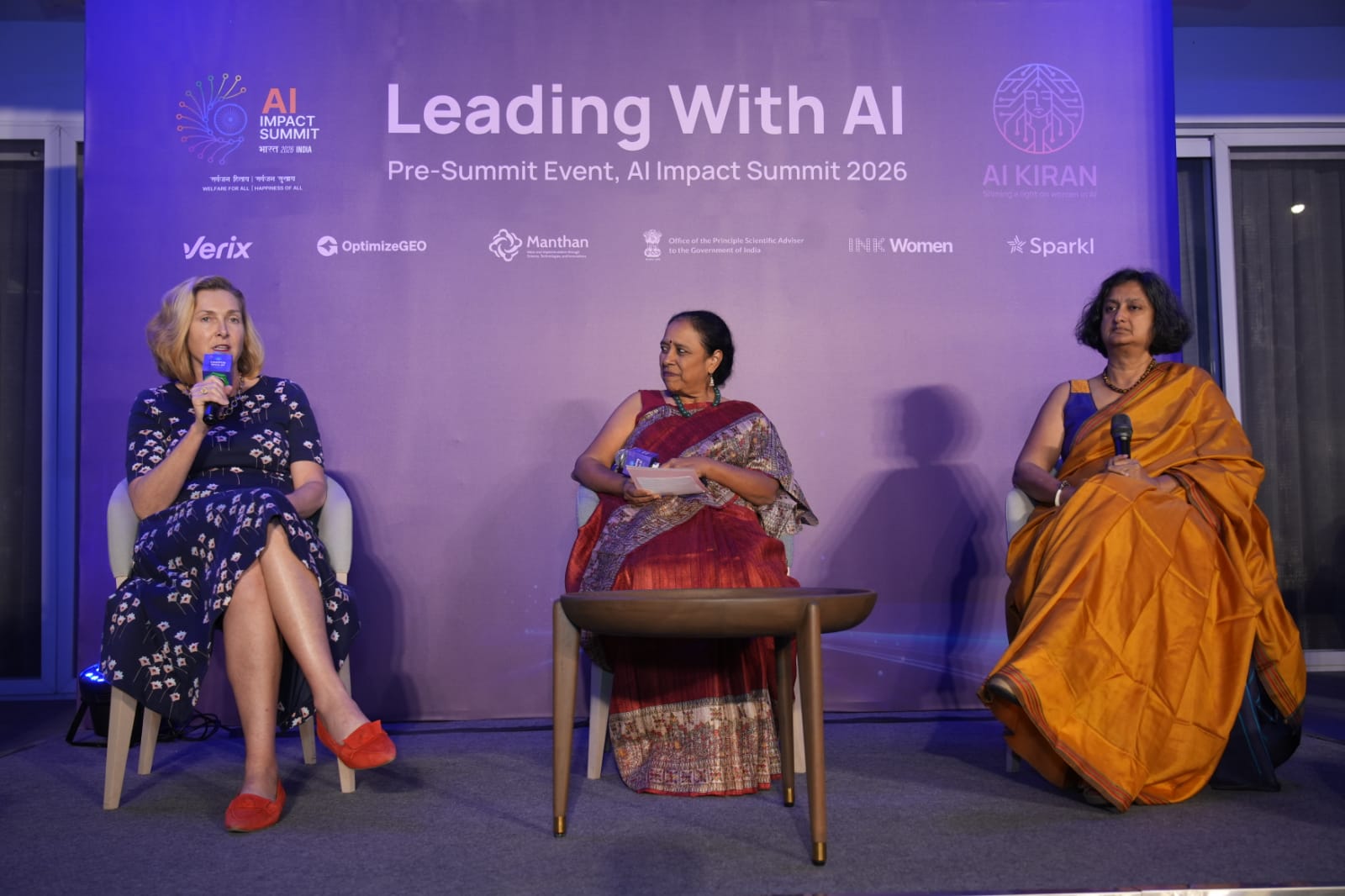
The Inclusive AI Roundtable Dinner, held at the Consulate General of India in San Francisco on October 22, 2025, convened over 30 women leaders from the Indian diaspora driving global AI innovation. Co-hosted by the Consulate and AI Kiran (a Verix and INK Women initiative), the invite-only pre-summit event featured a dialogue on inclusive leadership, workforce transformation, and ethical AI. The discussion advanced collaboration between industry, government, and academia, highlighting India's leadership in responsible AI and aligning with the IndiaAI Summit 2026 themes of Inclusion and Human Capital.
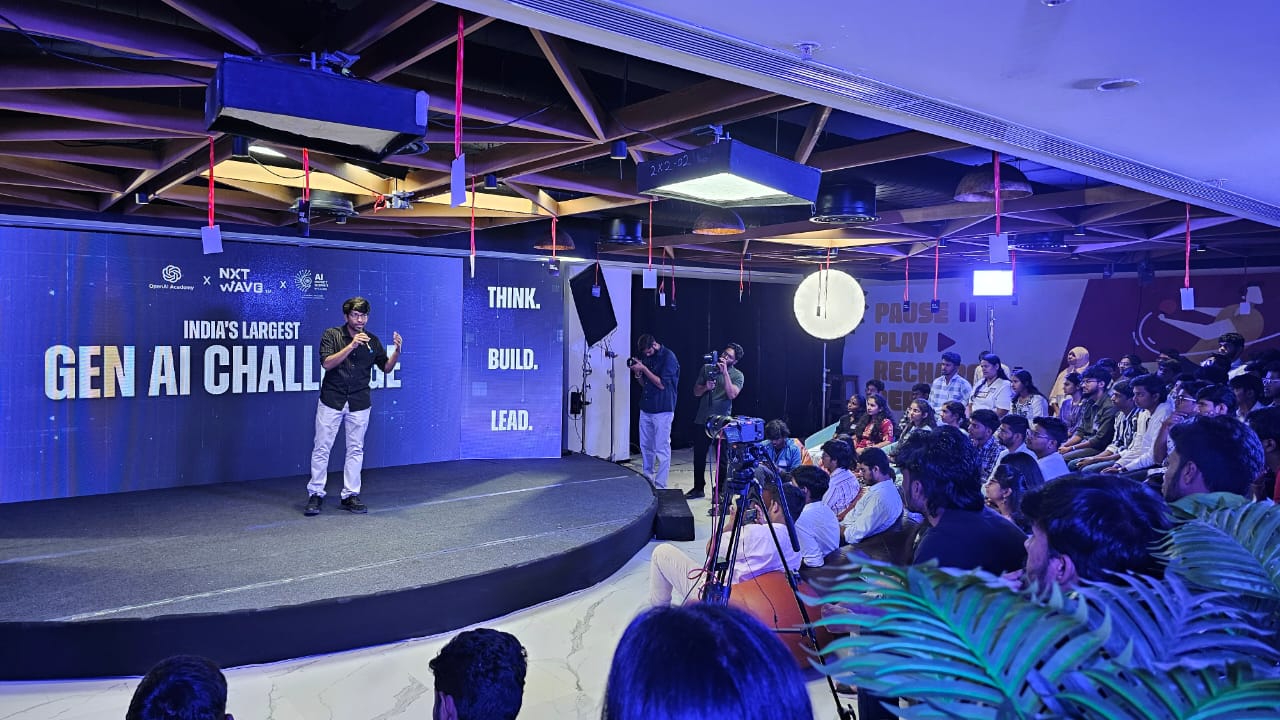
Hyderabad Chapter- The Hyderabad Chapter of the OpenAI Academy x NxtWave Buildathon, hosted at the NxtWave Institute of Advanced Technologies (NIAT), Telangana, marked the launch of the nationwide GenAI innovation challenge. Bringing together students, mentors, and industry experts, it focused on building real-world AI solutions for sectors like healthcare, education, and sustainability. The event showcased Telangana’s leadership in digital skilling and AI innovation, setting the tone for inclusive, responsible AI development across India.
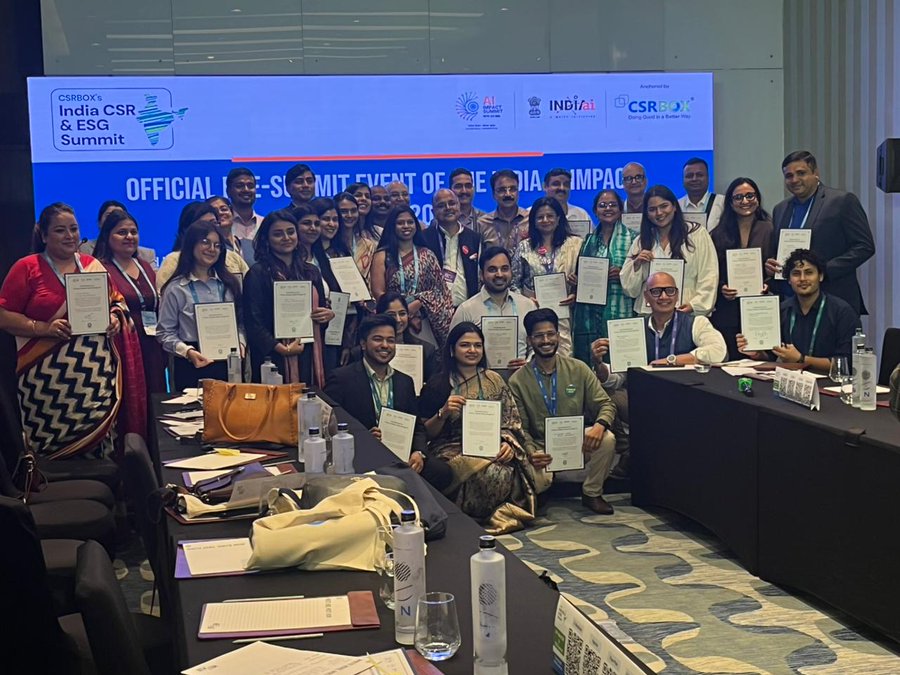
The FutureTech for Bharat roundtable at ICES 2025 focused on pathways to employability through a cradle-to-career approach, emphasizing inclusivity in education and democratizing AI resources. The roundtable was hosted as part of the India CSR & ESG Summit which spotlighted Bharat-first AI pilots addressing local challenges, scalable Global South models, and launched initiatives including AI-driven CSR pilots, a whitepaper, and policy frameworks to advance responsible AI adoption aligned with the IndiaAI Mission and the AI Impact Summit 2026.
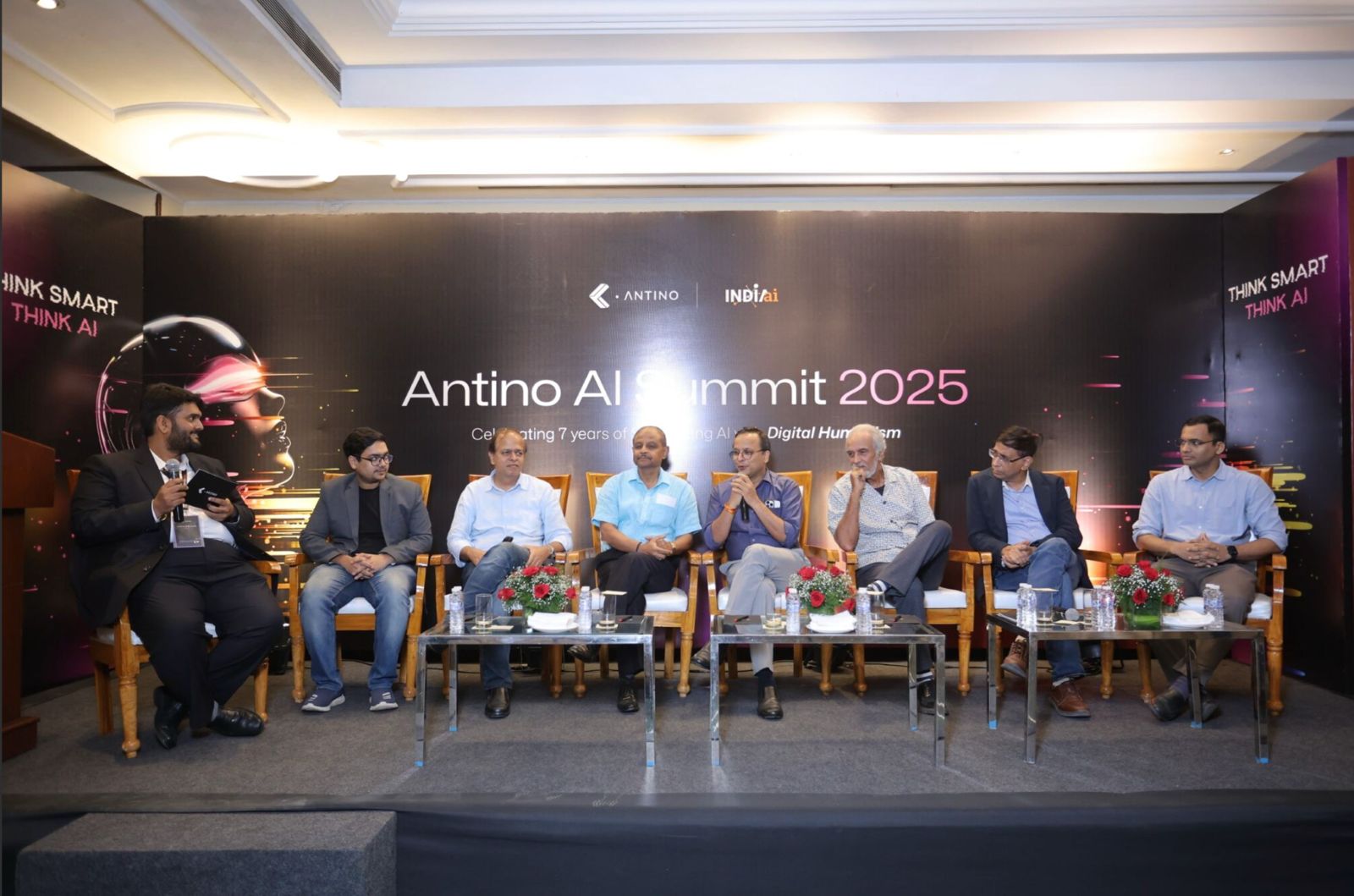
The Antino AI Summit 2025, themed Synergizing AI with Digital Humanism, explored how AI can drive social good while remaining safe, inclusive, and human-centered. Through keynotes, panels, and startup showcases, participants discussed workforce transformation, democratizing AI access, and ethical practices, fostering collaboration and actionable insights for responsible AI adoption.
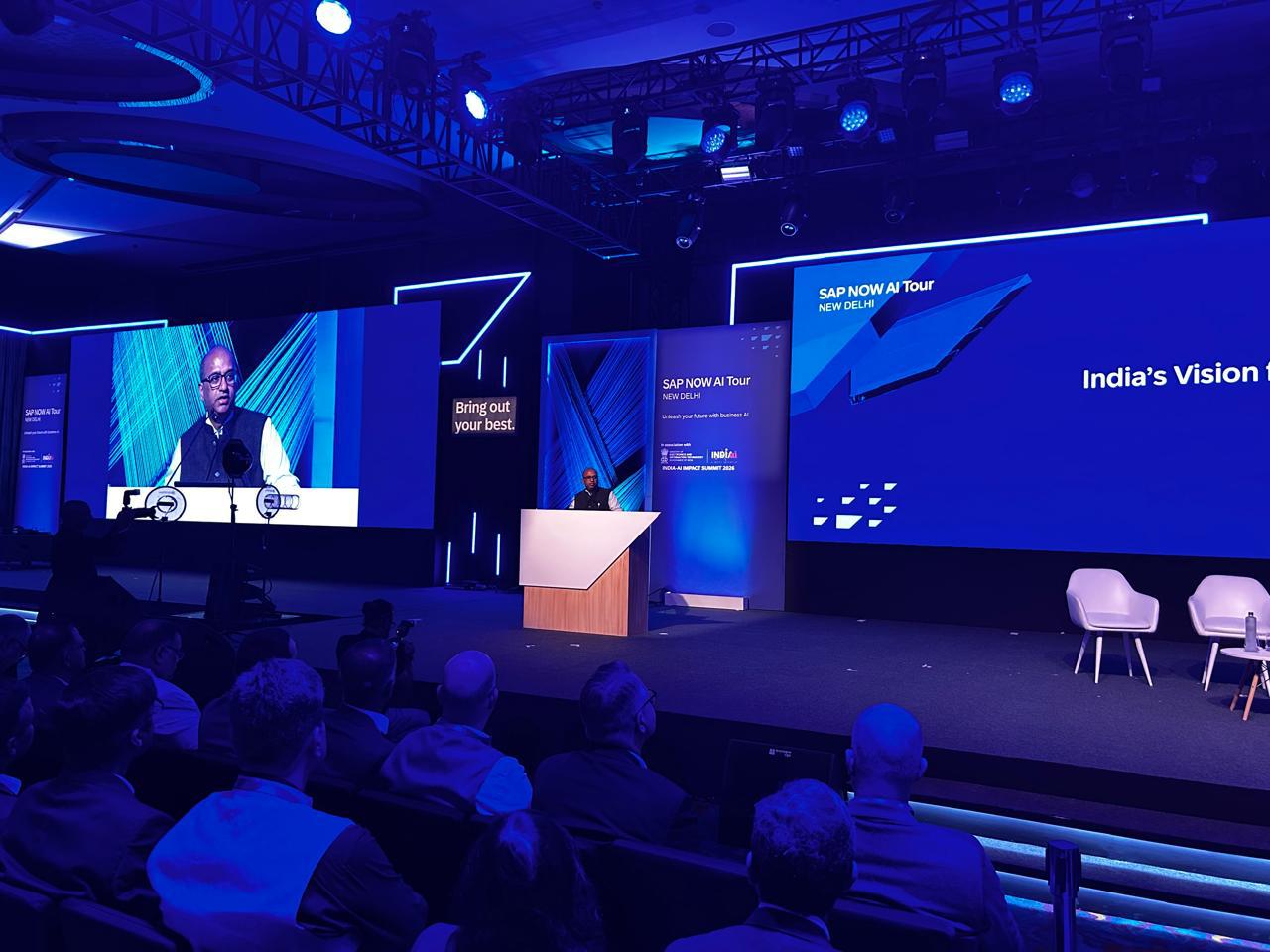
The SAP NOW AI Tour in New Delhi demonstrated how AI can strengthen human capital, promote inclusion, and support safe, trusted, and socially beneficial applications of technology.
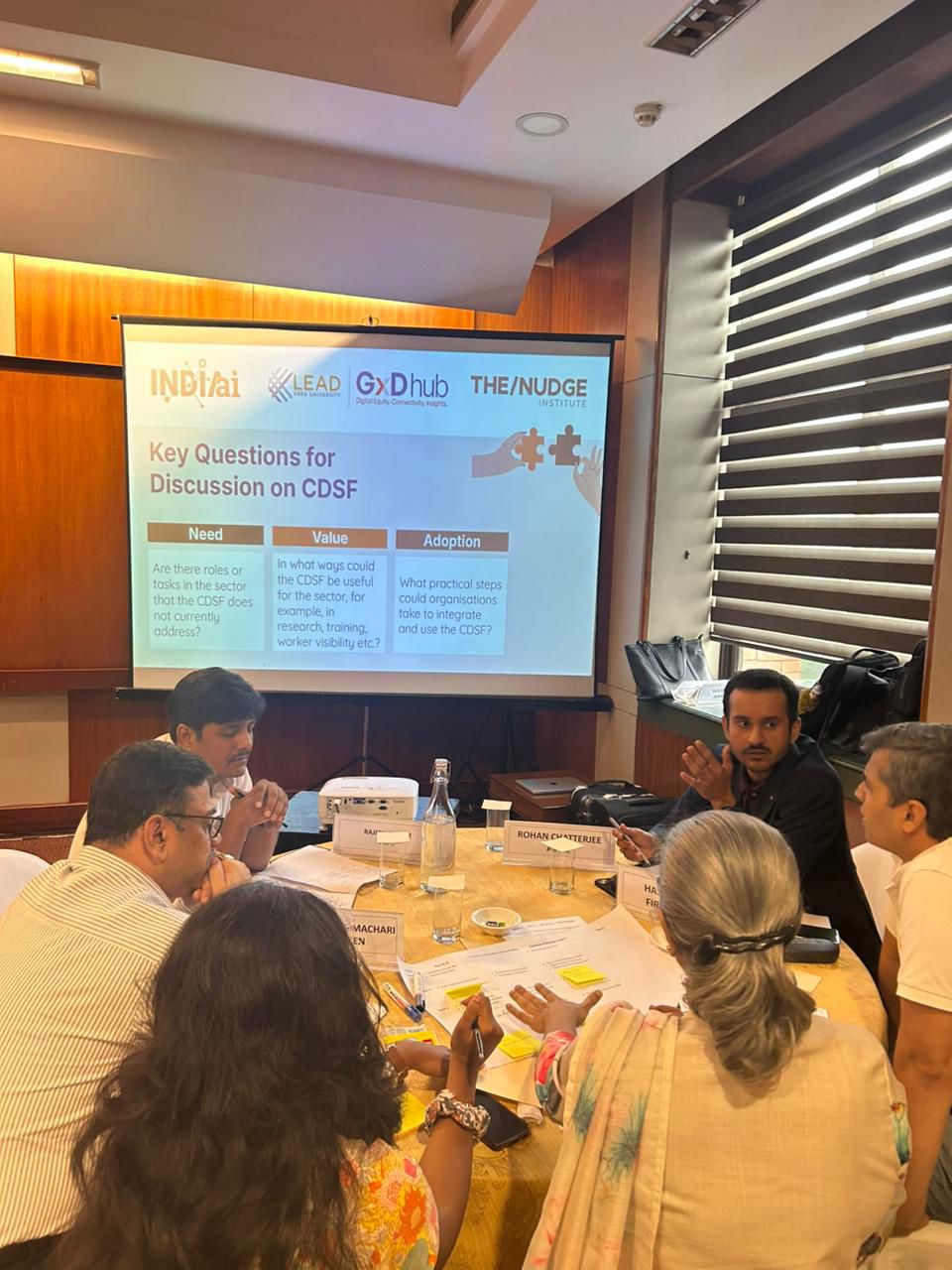
The Sanmati 2.0 workshop focused on expanding women's participation in India's data economy. By developing a common digital skills framework and portable credentialing models, the discussions explored practical ways to open up equitable opportunities for women from low-income and rural communities in the AI-driven future of work.
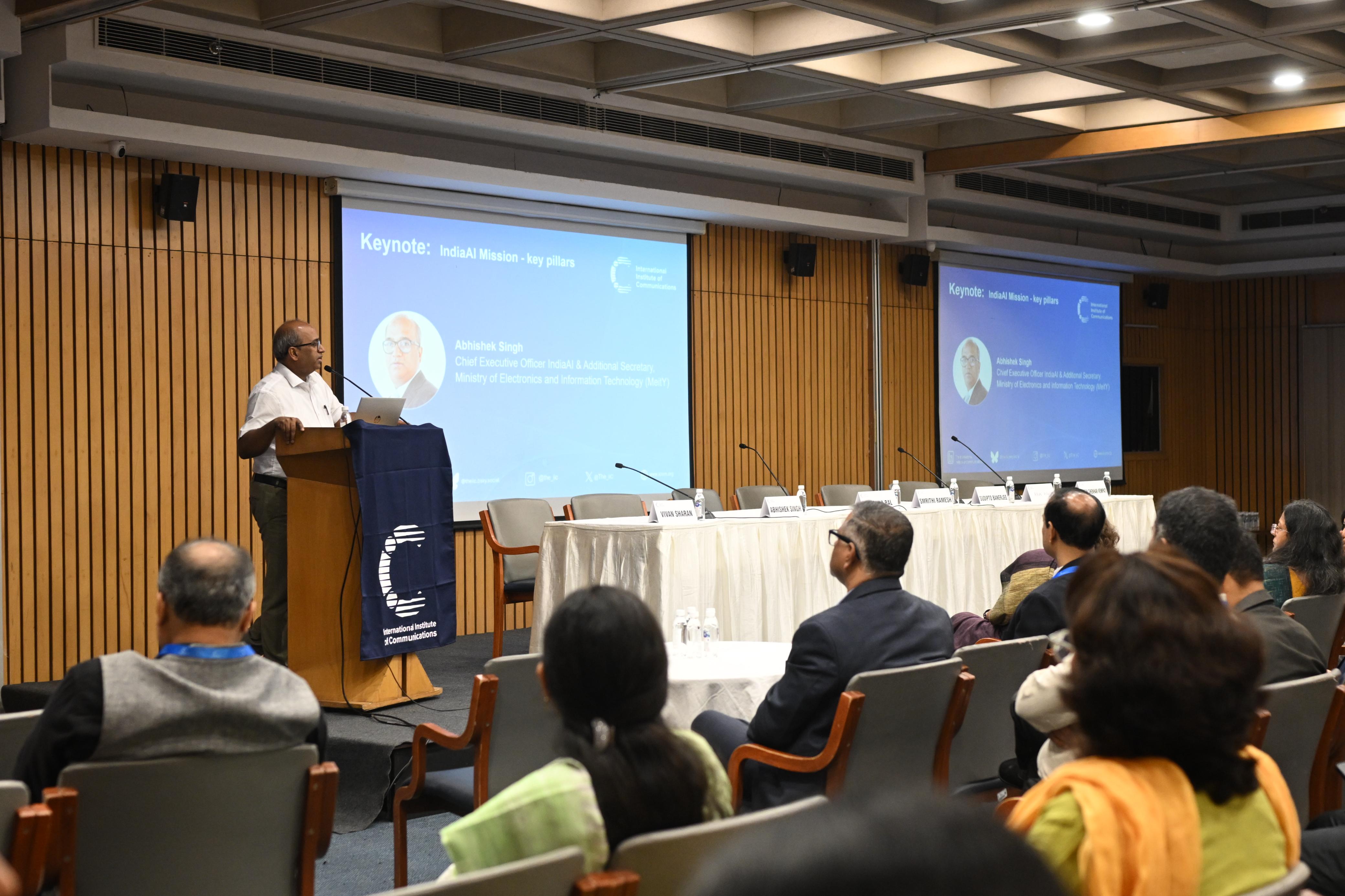
Held at the India International Centre, this discussion focused on how AI is changing the creative economy, from animation and gaming to new forms of storytelling. Speakers shared global lessons on regulation, the future of creative work, and how India can prepare for opportunities in this fast-changing space ahead of the India–AI Impact Summit 2026.

