Working Groups At The AI Impact Summit / Democratizing AI Resources
Democratizing AI Resources Working Group
Promoting equitable access to foundational AI resources for inclusive innovation and sustainable development worldwide

About The Working Group
The growing demands of AI development require vast resources that are unevenly concentrated worldwide today, reinforcing global inequalities in innovation capacity. TheDemocratizing AI Resources Working Group aims to promote access and affordability tofoundational AI resources for all, which would facilitate contextualized development,deployment, and use of AI by all, in accordance with their national objectives and priorities.
Vision & Objectives
Building an equitable global AI ecosystem
The Working Group on Democratizing AI Resources envisions a global AI ecosystem where access to foundational enablers of AI development is equitable and affordable for all. It seeks to ensure that every nation can meaningfully participate in and benefit from the AI revolution.
Leadership
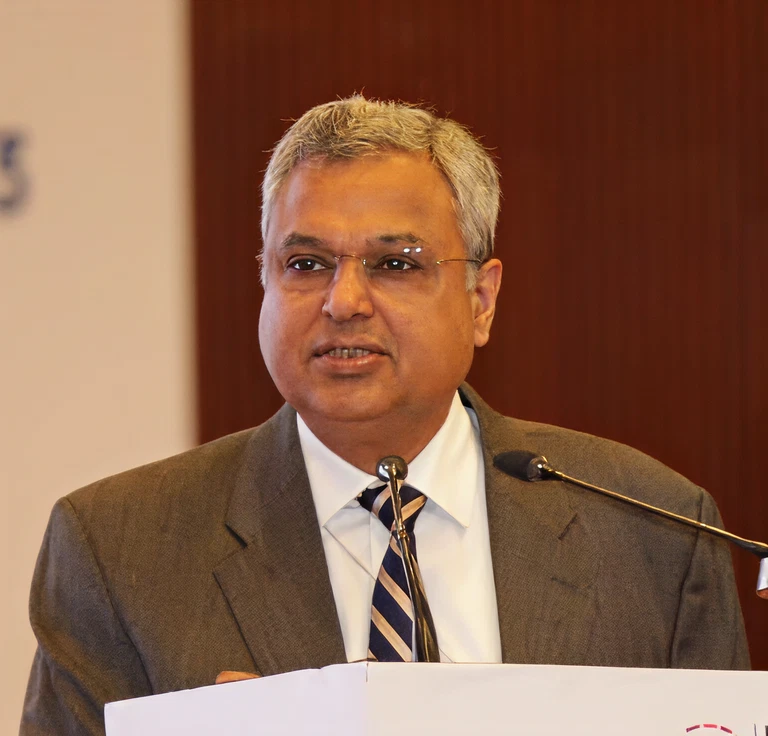
Mr Saurabh Garg
India Co-Chair
Secretary, Ministry of Statistics & Programme Implementation (MoSPI), Government of India
Dr. Saurabh Garg is currently serving as Secretary, Ministry of Statistics and Programme Implementation (MoSPI), Government of India. He has played a leading role in shaping India’s digital governance landscape - most notably as CEO of the Unique Identification Authority of India (UIDAI), where he advanced the Aadhaar programme and its integration with welfare delivery systems. Over his career, Dr Garg has worked extensively on infrastructure financing, digital transformation, and economic reforms, contributing to initiatives on Direct Benefit Transfers, FDI policy, and governance innovation at the national and state levels.

Egypt
Country Co-Chair

Kenya
Country Co-Chair
Key Issues
Understanding the global AI divide and our approach to bridging it
The Challenge
The uneven distribution of AI resources has created a widening global divide in AI capability and innovation. Limited access to affordable compute and data risks leaving many nations behind as passive users rather than active contributors to the AI economy.
The Solution
Democratization of AI resources can address this imbalance by promoting open infrastructure that supports inclusive AI innovation. It can also mitigate risks arising from over-concentration of AI capabilities and enhance AI systems' global representativeness, transparency, and resilience.
The Impact
By expanding equitable access to AI resources and fostering multilateral collaboration, this effort can diversify innovation, accelerate socio-economic development, and ensure that the benefits of AI are broadly shared - advancing the AI Impact Summit’s vision of inclusive, responsible, and sustainable AI for all.
Meeting Schedule
18th-19th December 2025
Hybrid Meeting (Bhubaneswar)

Help shape the future of global AI by sharing your perspectives, suggestions, and expertise. Your input will contribute to equitable access and inclusive AI innovation worldwide.
Share your input
We value your insights and contributions to the working groups
Related Pre-Summit Events
Join related events building momentum for the summit
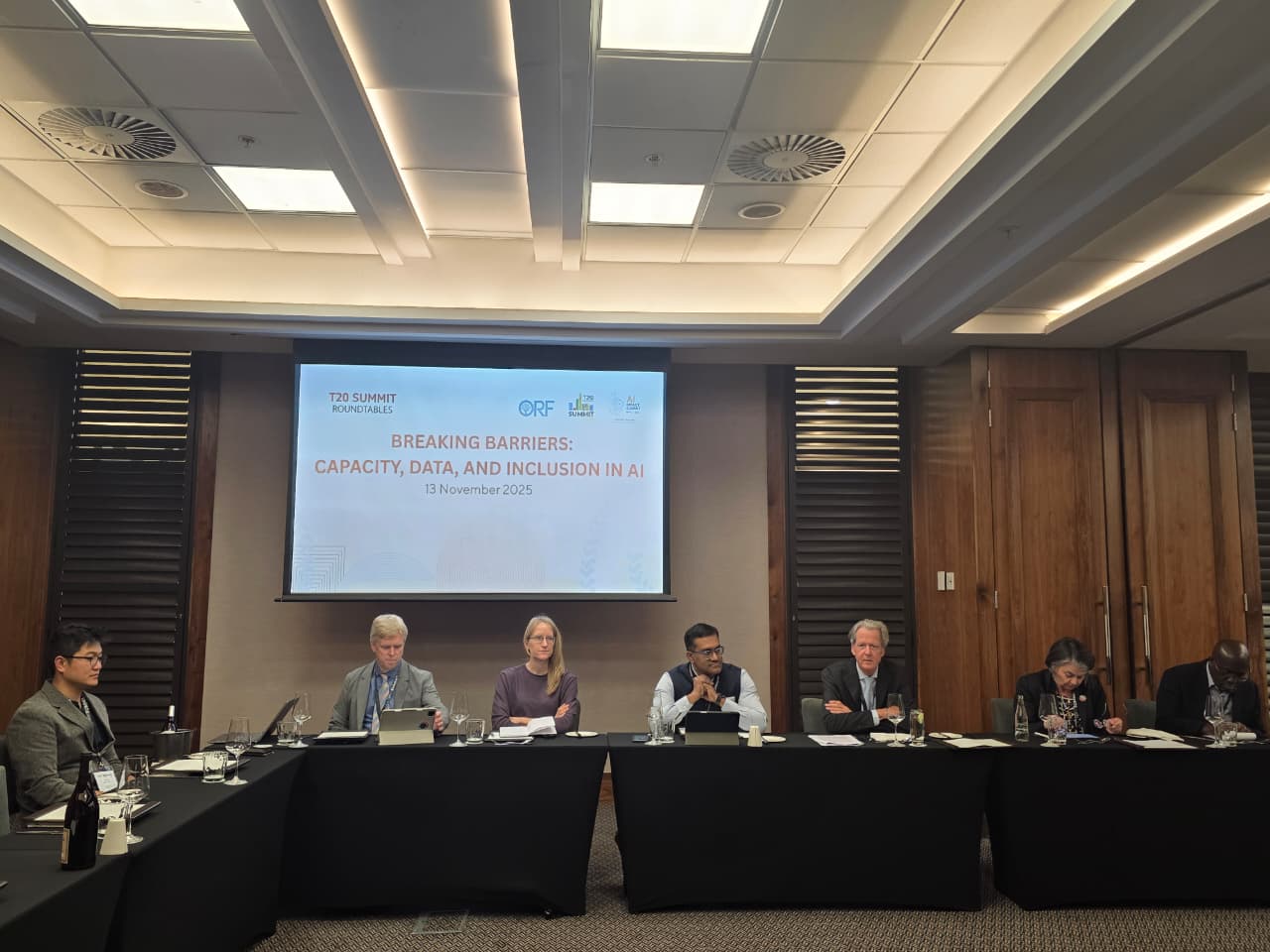
A special dinner conversation jointly hosted by the Observer Research Foundation (ORF) and the South African Institute of International Affairs (SAIIA) at the Think20 South Africa Summit. The session explored how AI can be developed and deployed to reflect the diversity of human experience across languages, cultures, and identities while ensuring equitable global access to AI capabilities. Bringing together policymakers, researchers, and industry leaders, the discussion examined frameworks for inclusive AI governance, capacity-building in the Global South, and collaborative investments enabling sustainable, responsible AI ecosystems.
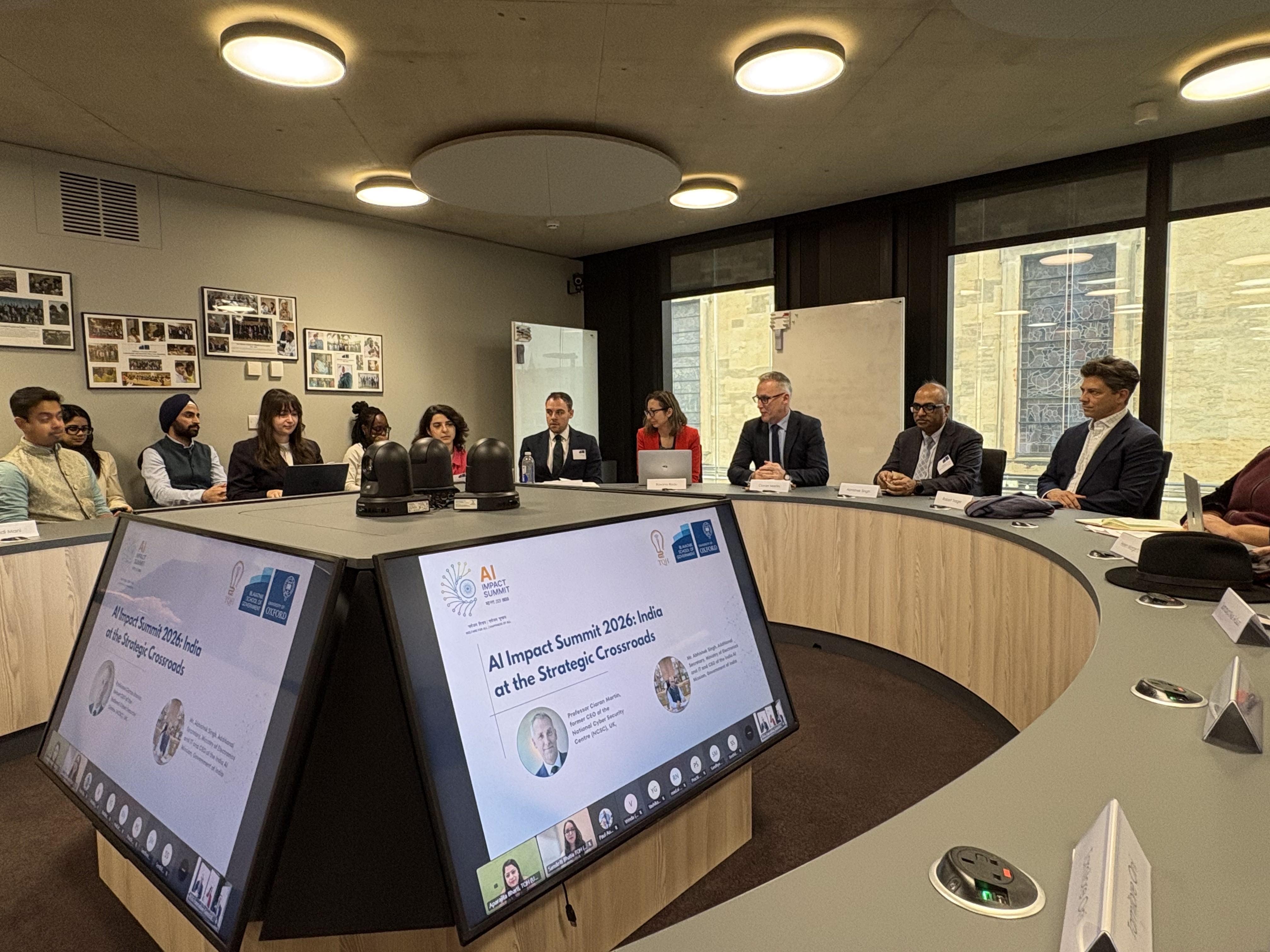
The roundtable aligned with the India AI Impact Summit 2026 themes of People, Planet, and Progress, highlighting India’s leadership in advancing responsible AI governance globally. It examined how AI policies promoted equitable human capital development, drove sustainability and ethical resource management, and strengthened global innovation, security, and cooperation. The session generated a policy brief capturing key insights, frameworks for global AI collaboration, and recommendations to guide future India–UK and international engagements. These outcomes informed deliberations at the India AI Impact Summit 2026 and contributed to shaping multilateral dialogues on AI ethics and governance.
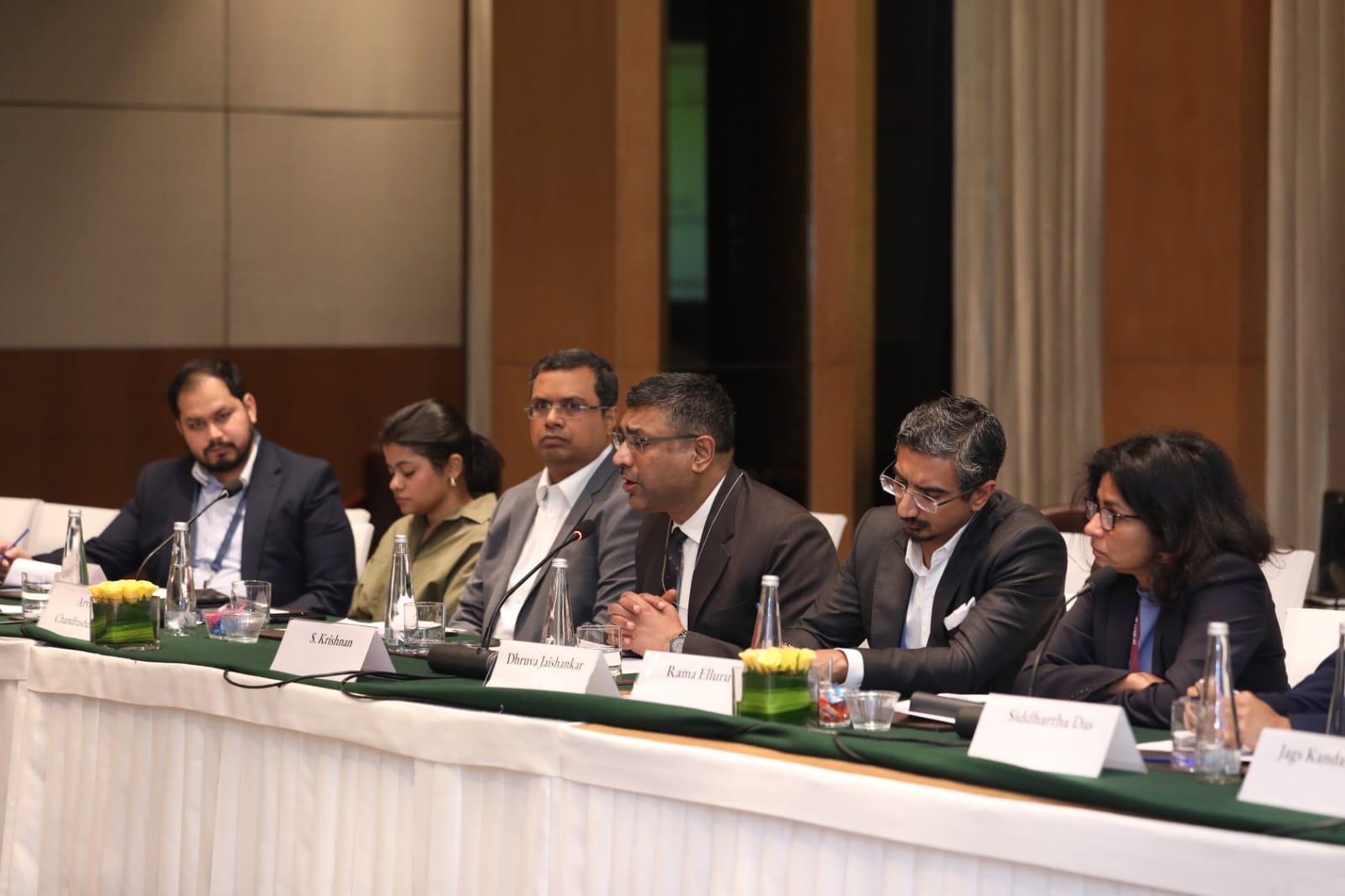
The U.S.–India AI & Technology Cooperation Dialogue, held from November 11 to 13, 2025 at The Oberoi New Delhi, was a high-level conference co-chaired by Mr. Mathew Oommen (India) and Hon. Kenneth Juster (U.S.). It aimed to deepen bilateral collaboration on AI and emerging tech by focusing on strengthening infrastructure, fostering applied AI solutions, building a robust talent pipeline, and aligning ethical AI policies. The dialogue reinforced shared commitments to Safe & Trusted AI, Human Capital, and Resilient Infrastructure, supported by major private investments and academic partnerships. This collaboration created a trusted AI corridor combining India’s talent and infrastructure with U.S. capabilities for responsible AI governance.
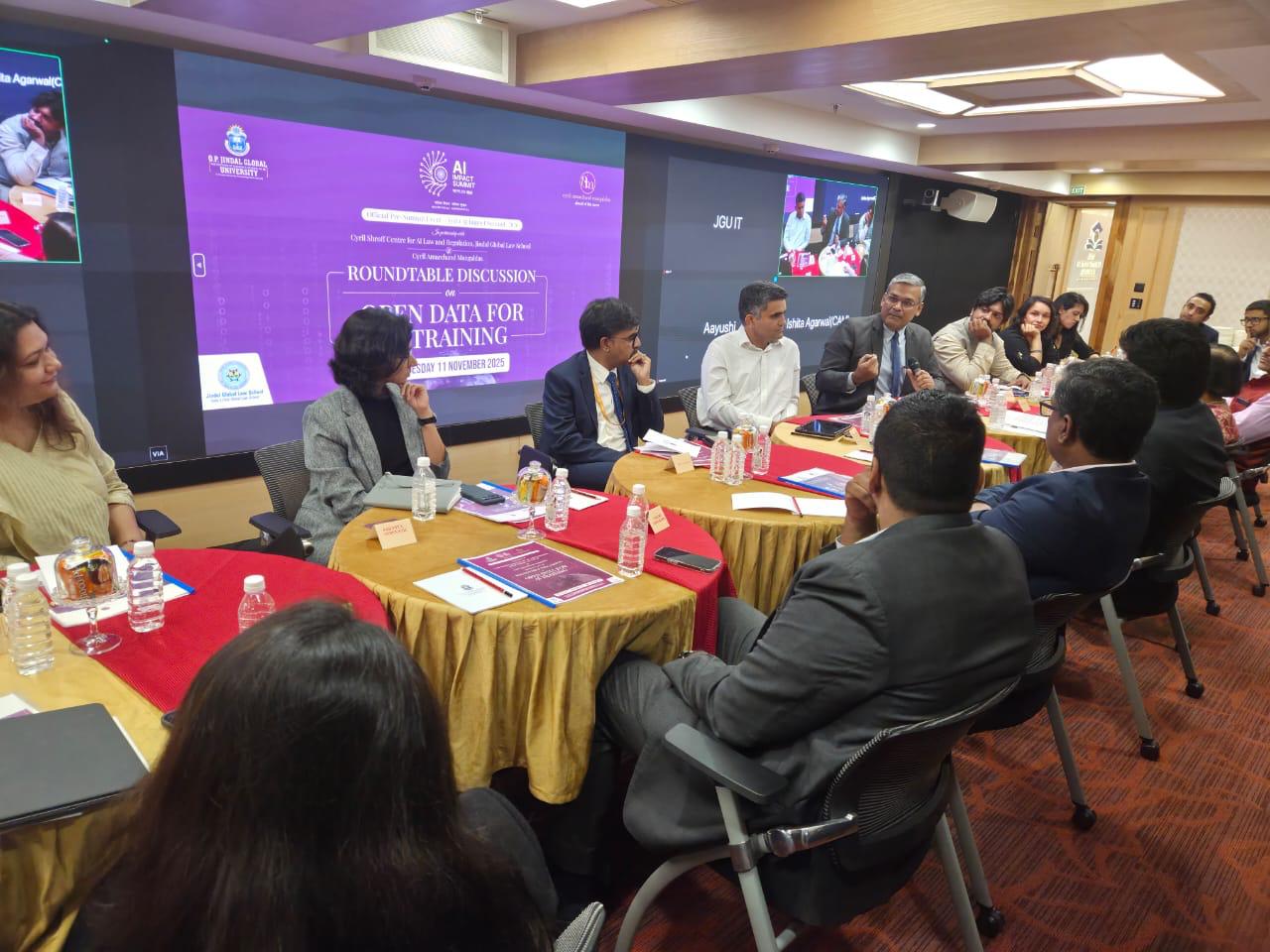
The roundtable held on November 11, 2025, at Taj Mahal, New Delhi, focused on developing a National Digital Data Marketplace (NDDM) as a government-facilitated platform for secure, transparent buying and selling of datasets. The discussion involved government, industry, academia, and civil society stakeholders exploring themes like data democratization, sovereignty, ethical AI, and governance. Building on existing initiatives such as NDAP and Open Government Data Platform, the roundtable aimed to define the purpose, governance, and key use cases of the NDDM across sectors like health, agriculture, climate, and urban mobility, aligning policy and privacy principles with the DPDP Act. It was hosted by Cyril Amarchand Mangaldas.
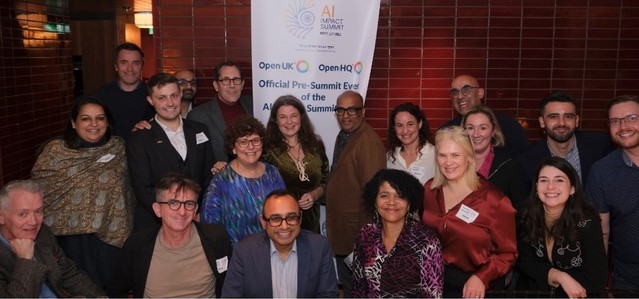
The Road to the AI Action Summit Roundtable, held on November 10, 2025, in London, convened enterprise leaders, open-source contributors, policymakers, and academics to discuss the role of openness in AI for innovation, inclusion, and safe adoption. Hosted by OpenUK, the in-person event promoted cross-sector and UK–India collaboration on responsible AI governance, feeding local insights into the global AI Impact Summit agenda. Key outcomes included a joint AI Openness report and strengthened UK–India partnerships to advance open, inclusive, and impactful AI ecosystems.
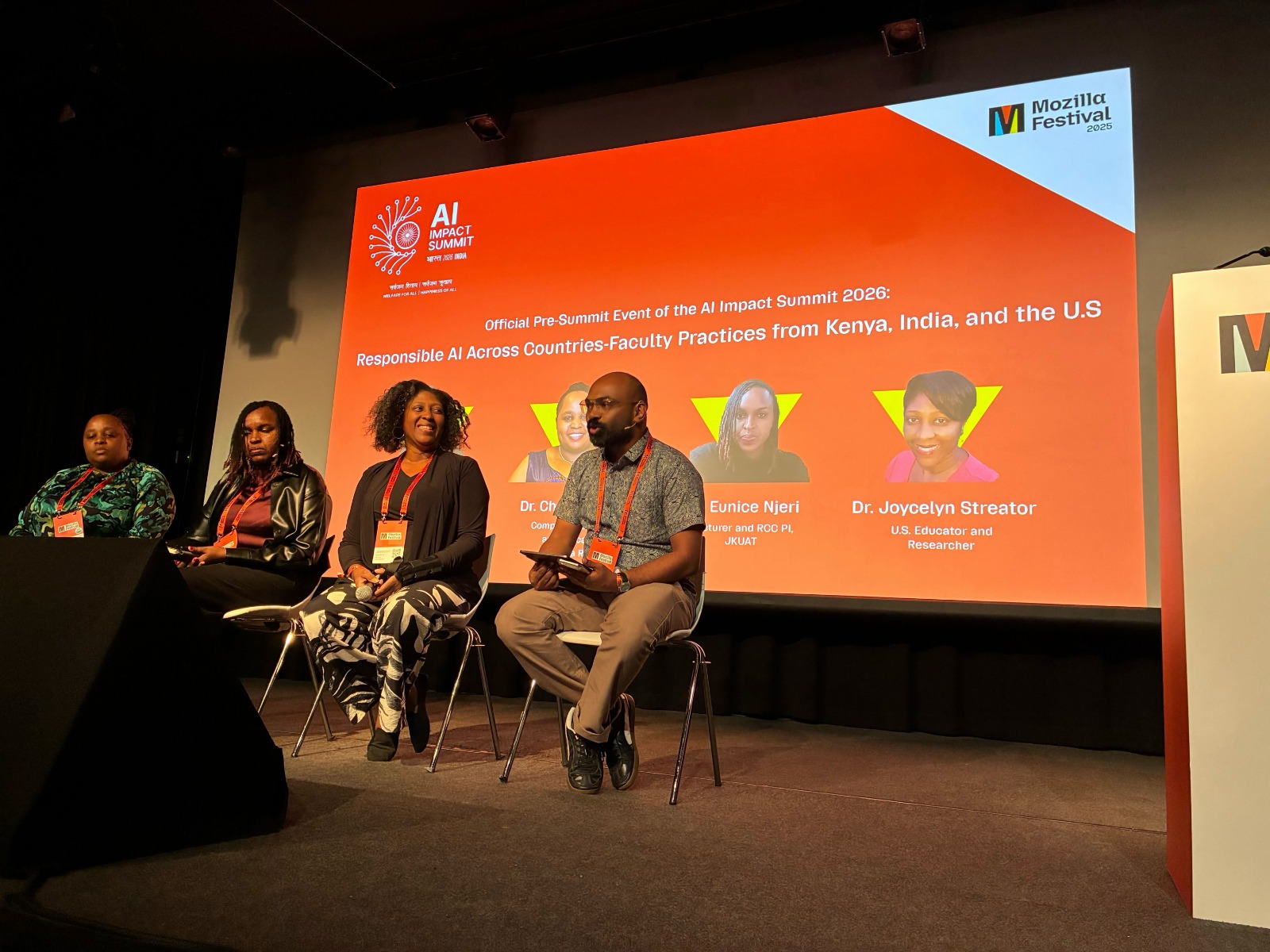
The Mozilla Festival (MozFest) 2025 session titled “Responsible AI Across Countries – Faculty Practices from Kenya, India, and the U.S.,” held on November 8, 2025, in Barcelona, focused on practical, low-compute methods for integrating Responsible AI into higher education curricula. Faculty from the three countries shared approaches including multilingual access, lightweight evaluation frameworks, and AI-ready pedagogy aligned with NEP 2020 and digital inclusion. The session supports the AI Impact Summit’s pillars on Human Capital, Inclusion, Safe & Trusted AI, Science, and Democratizing AI Resources, aiming to foster inclusive, equitable AI education worldwide.
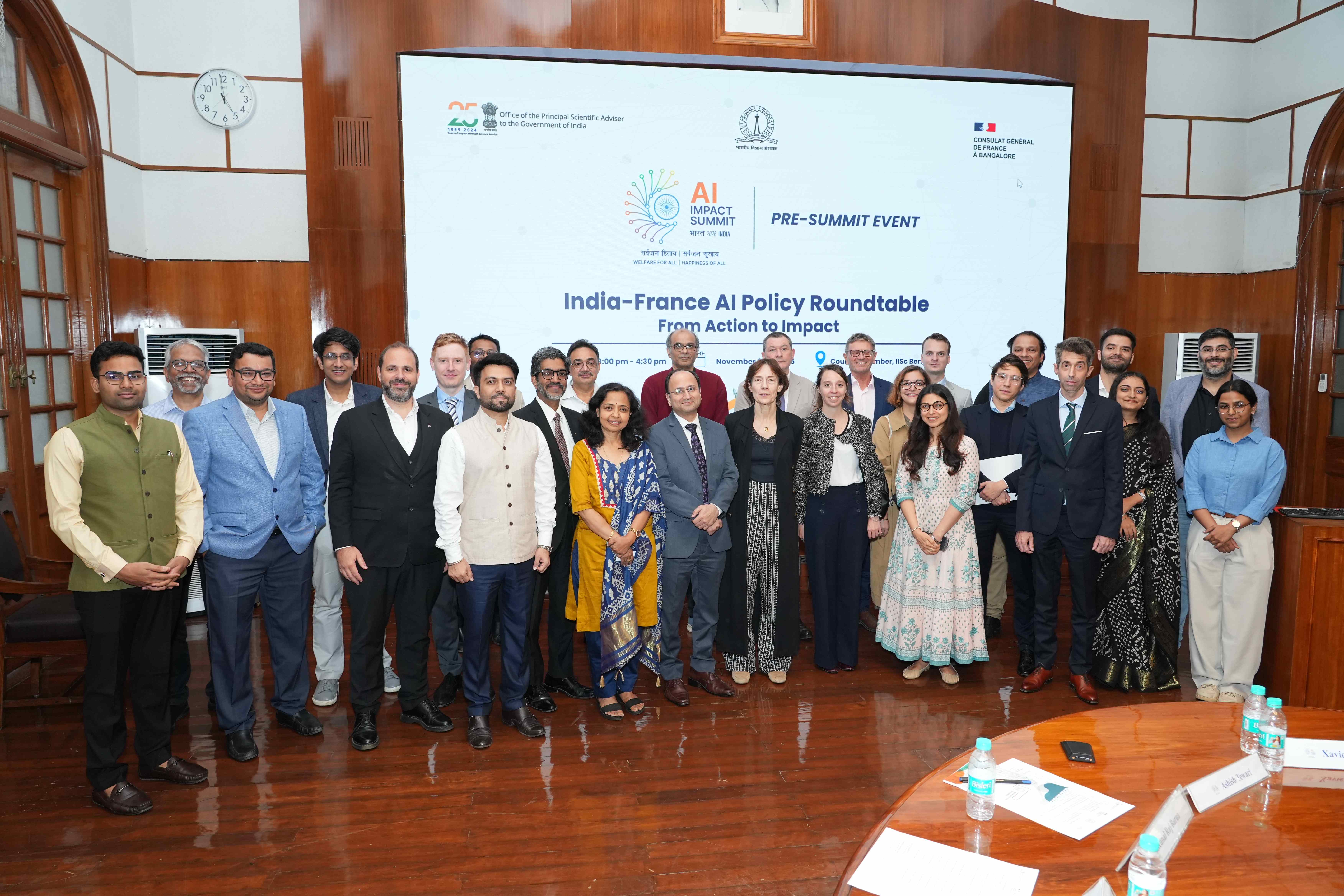
"The ""From Action to Impact: India–France AI Policy Roundtable"" held on November 7, 2025, at IISc Bengaluru, brought together policymakers, researchers, and industry leaders from India and France to advance bilateral AI cooperation. The roundtable focused on equitable access to AI infrastructure, reducing dependency on global monopolies, and fostering inclusive, secure, and sustainable innovation ecosystems. Co-chaired by Anne Bouverot, Special Envoy of France for AI, and Amit A. Shukla from India's MEA, the dialogue continued the Track 1.5 series, underpinning the India-AI Impact Summit 2026 and the India–France Year of Innovation 2026. It emphasized India’s robust AI ecosystem as a platform for co-development and strengthened global partnerships in responsible AI governance."
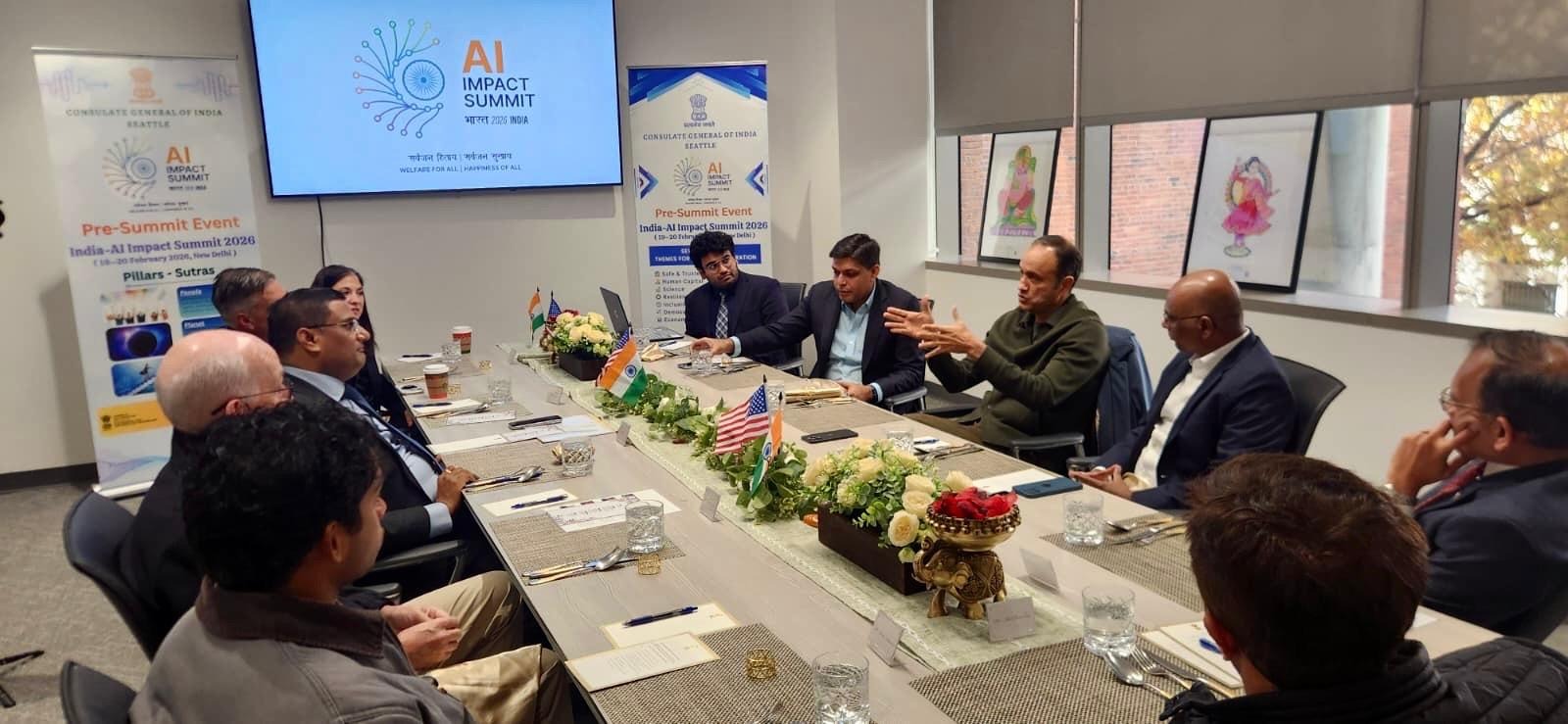
The Bridging the AI Divide roundtable, held on November 7, 2025, at the Consulate General of India in Seattle, convened US Congress members, technology leaders, and Indian stakeholders to discuss advancing inclusive and responsible AI innovation. Expert presentations highlighted India’s AI progress in areas like agri-tech, data infrastructure, and agentic AI, with a focus on strengthening bilateral partnerships for social empowerment and digital collaboration. The event marked the first in a series of sessions building momentum for the India-AI Impact Summit 2026, boosting India’s inclusion agenda and global visibility in AI leadership.
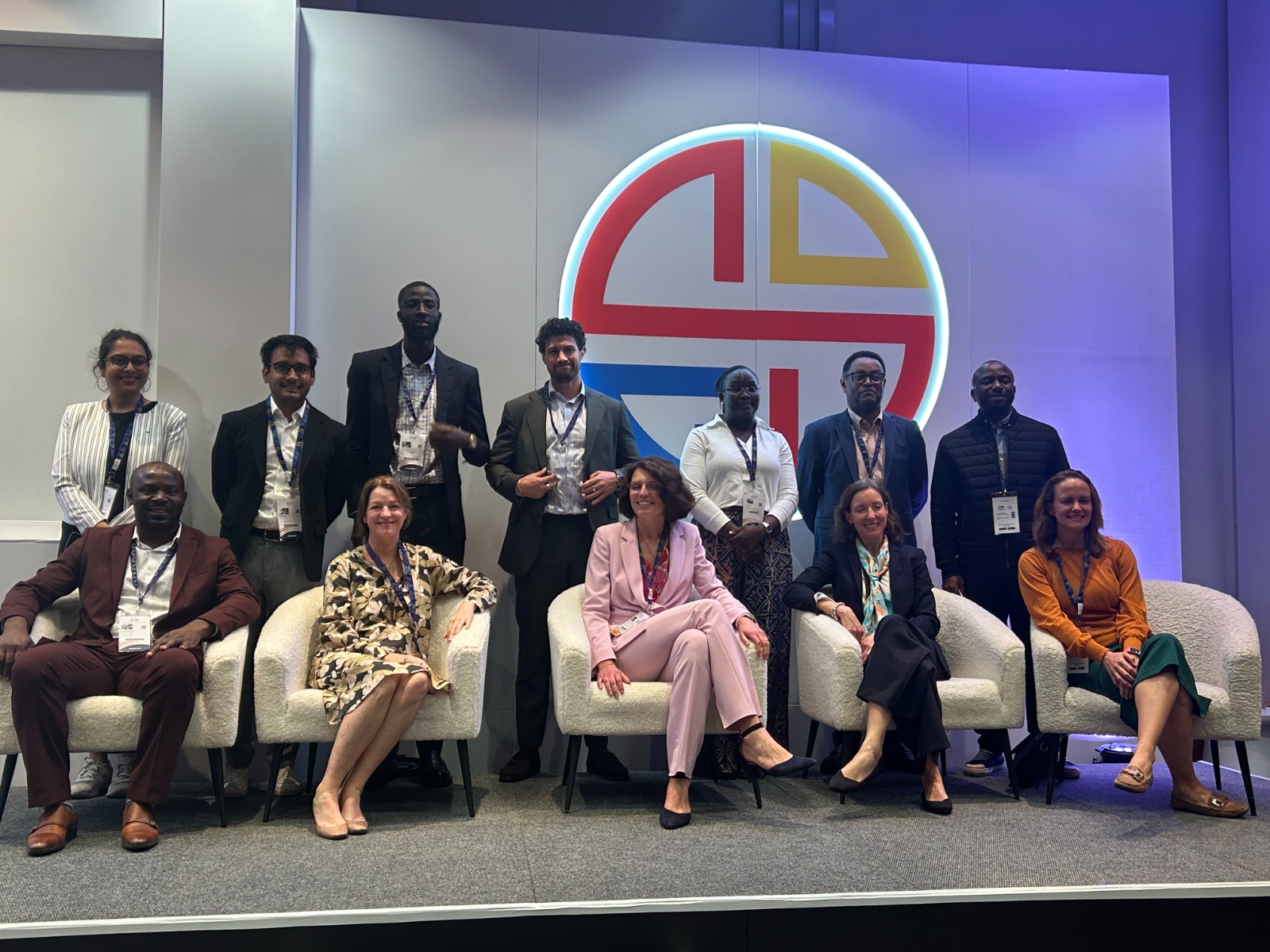
The “Shaping the Future of AI and DPI: A Consultative Workshop” held on November 5, 2025, at the Cape Town International Convention Centre convened stakeholders from government, philanthropy, industry, academia, and civil society. Co-designed with the Gates Foundation and supported by UN and ITU facilitators, the workshop focused on aligning AI innovation with Digital Public Infrastructure to drive equitable, sustainable global digital development. The workshop will produce a white paper, foster ongoing dialogue, and set a consensus roadmap to integrate AI and DPI strategies in international development.
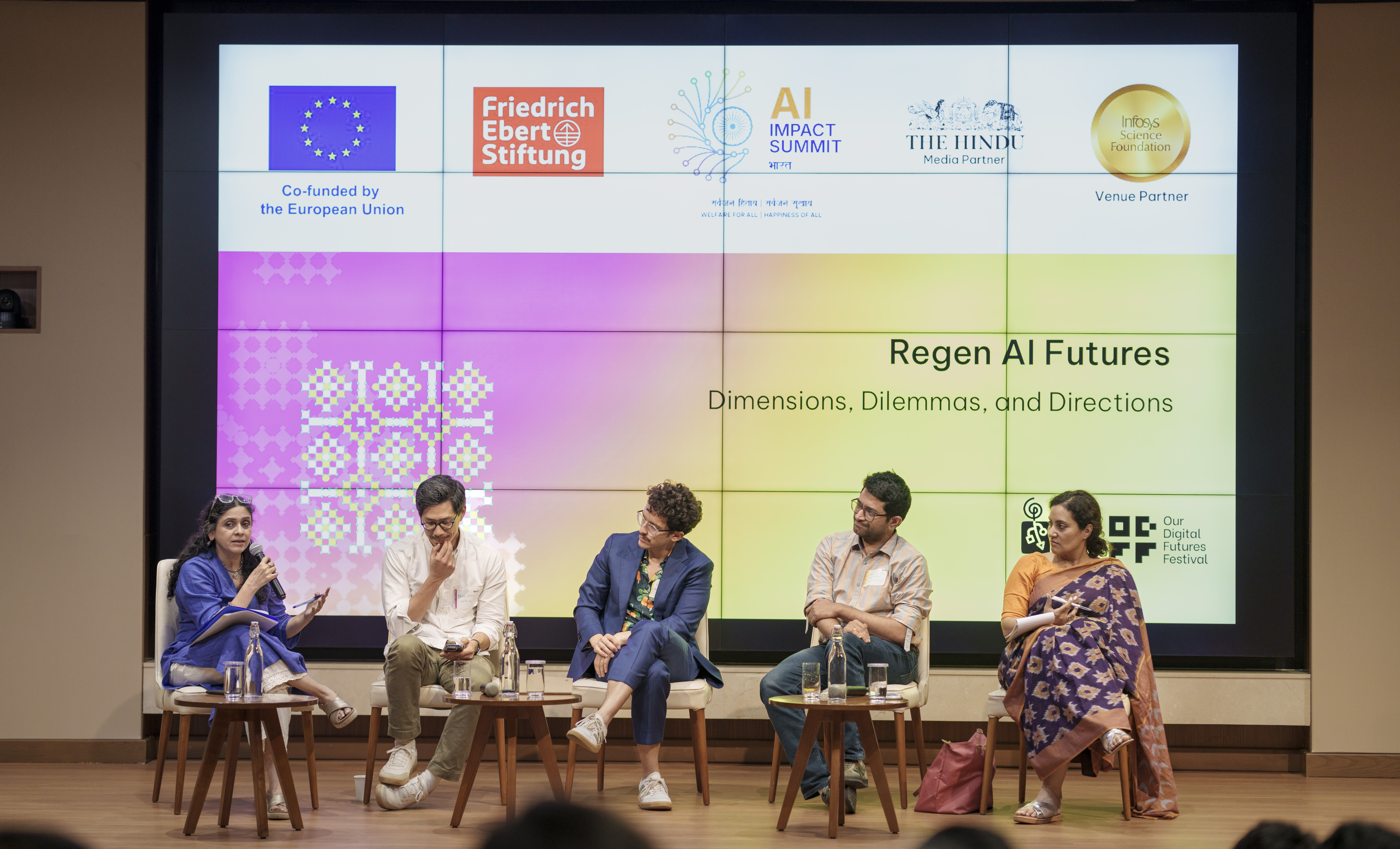
On October 31, 2025, IT for Change convened the “Towards Regenerative AI: Frames for Inclusive, Indigenous & Intentional Innovation” conference at the Infosys Science Foundation in Bengaluru. Global scholars, technologists, policymakers, and civil society leaders explored regenerative approaches to AI - centering inclusion, indigeneity, and intentionality to envision equitable, sustainable, and culturally rooted AI futures. The event advanced India’s leadership in just, resilient digital innovation, producing policy briefs, case studies, and cross-sector partnerships for the IndiaAI Impact Summit 2026.
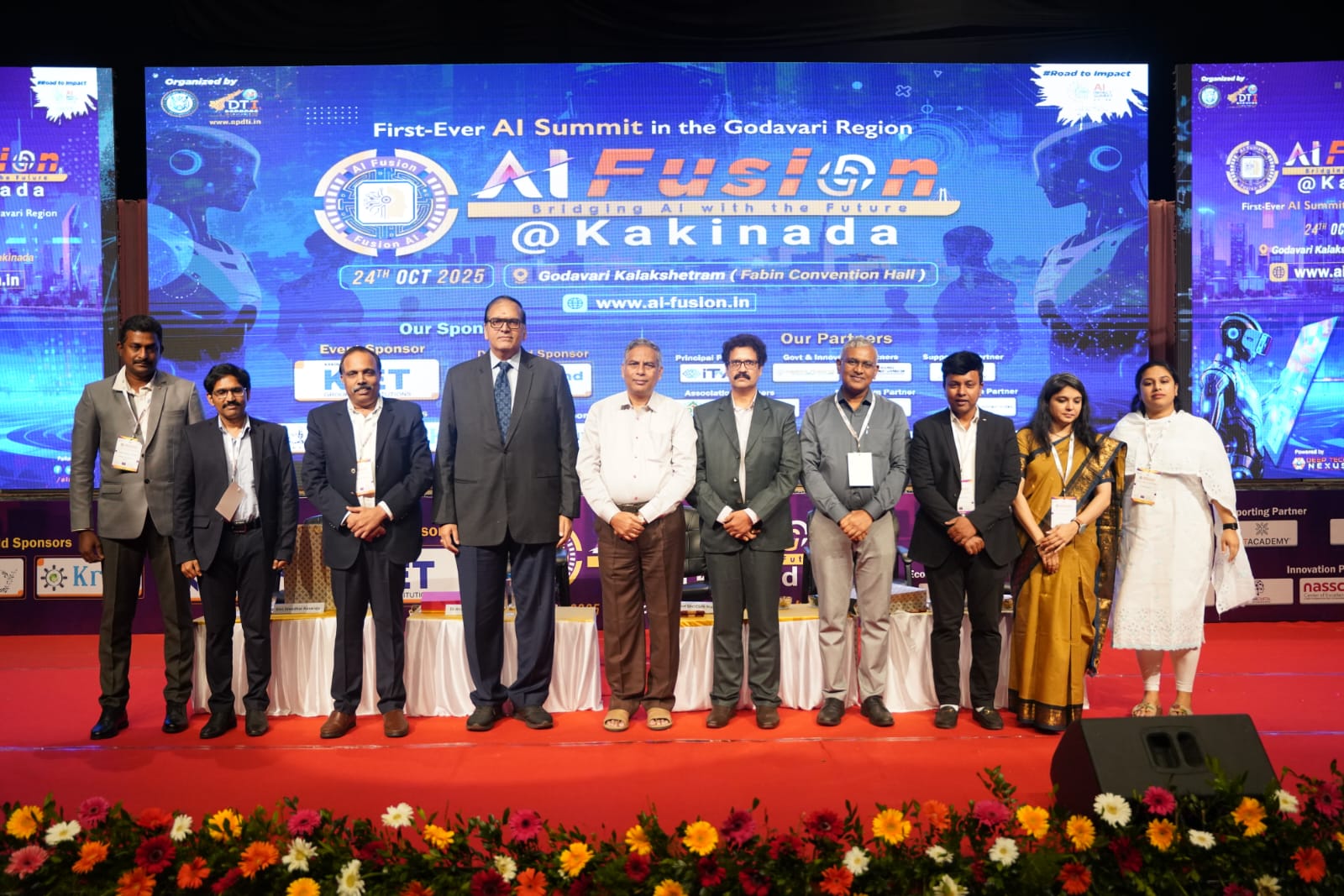
AI Fusion @ Kakinada 2025 marked the first major AI summit in the Godavari region, uniting innovators, startups, industry leaders, and policymakers to explore artificial intelligence's transformative power beyond India's metro cities. Hosted by the DeepTech Naipunya Foundation, the conference spotlighted inclusive innovation, human capital development, and ethical AI adoption—positioning Kakinada as a rising hub for India's AI-driven regional transformation.
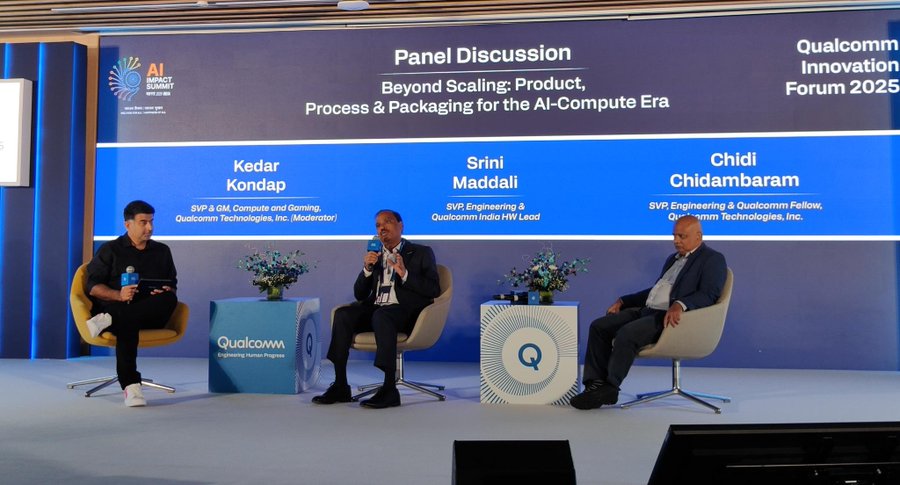
The Qualcomm Innovation Forum 2025 held in Bengaluru featured keynotes, panels, and demos emphasizing on-device and edge AI technologies, workforce development, frugal innovation, and ethical AI governance. It engaged over 1,300 participants across academia, industry, government, and civil society, spotlighting real-world AI applications in healthcare, education, agriculture, and public safety. The event produced actionable policy briefs, developer toolkits, and strategic vision reports to advance responsible AI innovation and ecosystem collaboration in India.
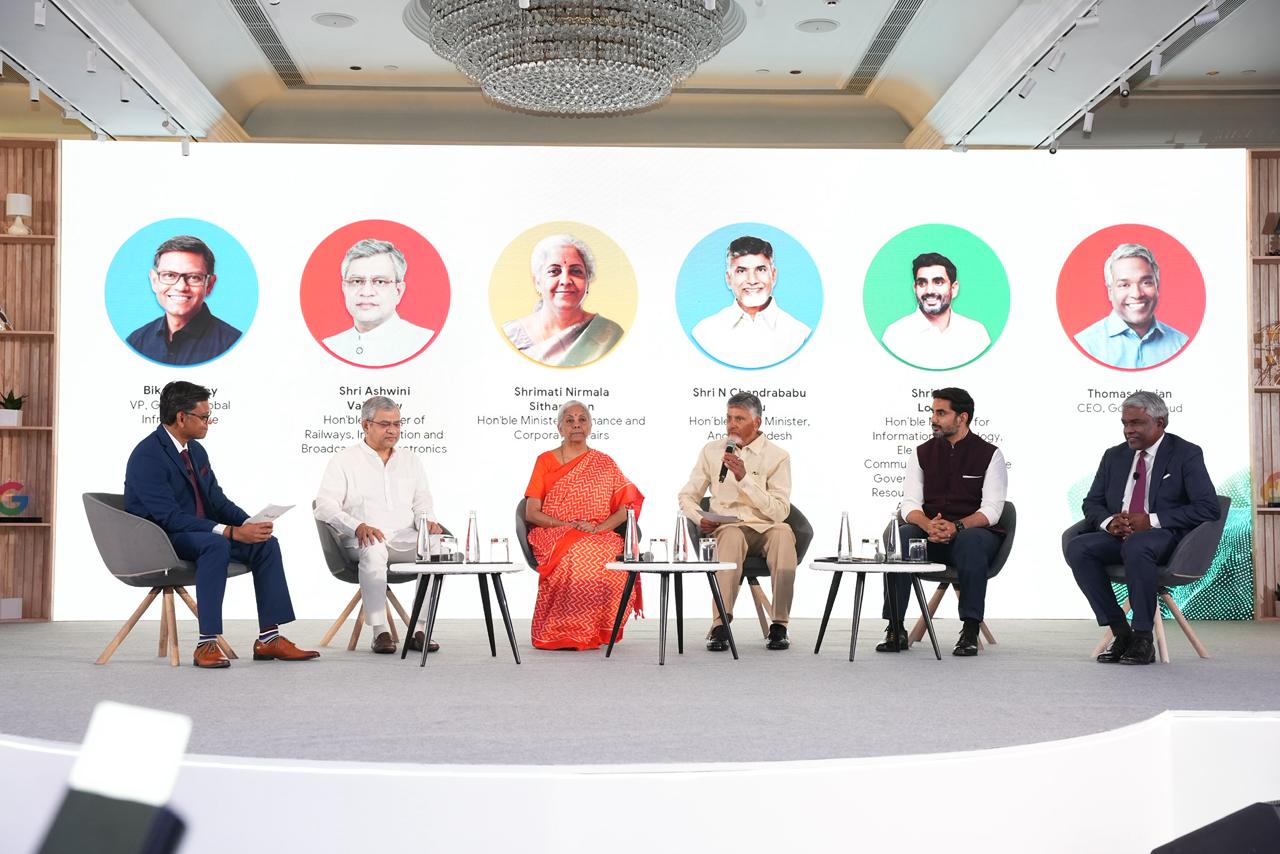
Google hosted the Bharat AI Shakti event as a pre-summit initiative for the India–AI Impact Summit 2026, where it announced a $15 billion AI hub in Visakhapatnam, Andhra Pradesh. The announcement featured key dignitaries including Union Ministers Ashwini Vaishnaw and Nirmala Sitharaman, Andhra Pradesh Chief Minister Nara Chandrababu Naidu, and Google CEO Thomas Kurian. This investment aims to accelerate AI-driven transformation in India by deploying advanced AI infrastructure, renewable energy, and expanded connectivity.
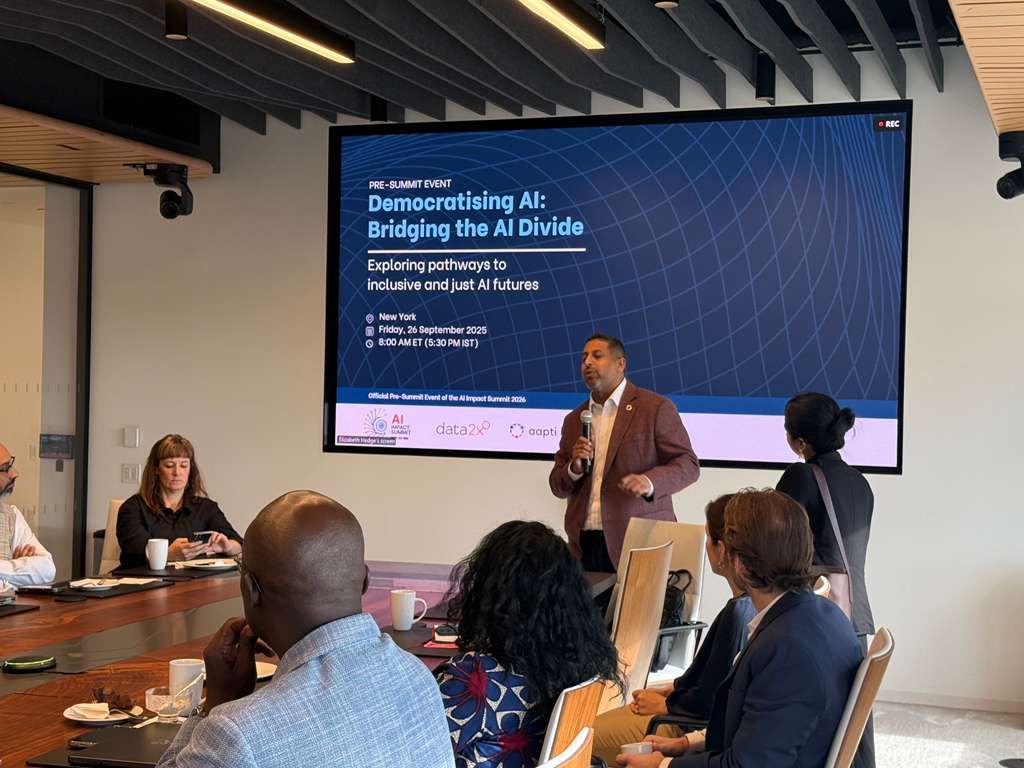
Aapti Institute, in partnership with Data2X, hosted a roundtable on Bridging the AI Divide and Enabling the Democratisation of AI. The discussion highlighted global south priorities, the importance of civil society collaboration, and placing people's agency at the centre of AI governance, shaping expectations for the India–AI Impact Summit 2026.
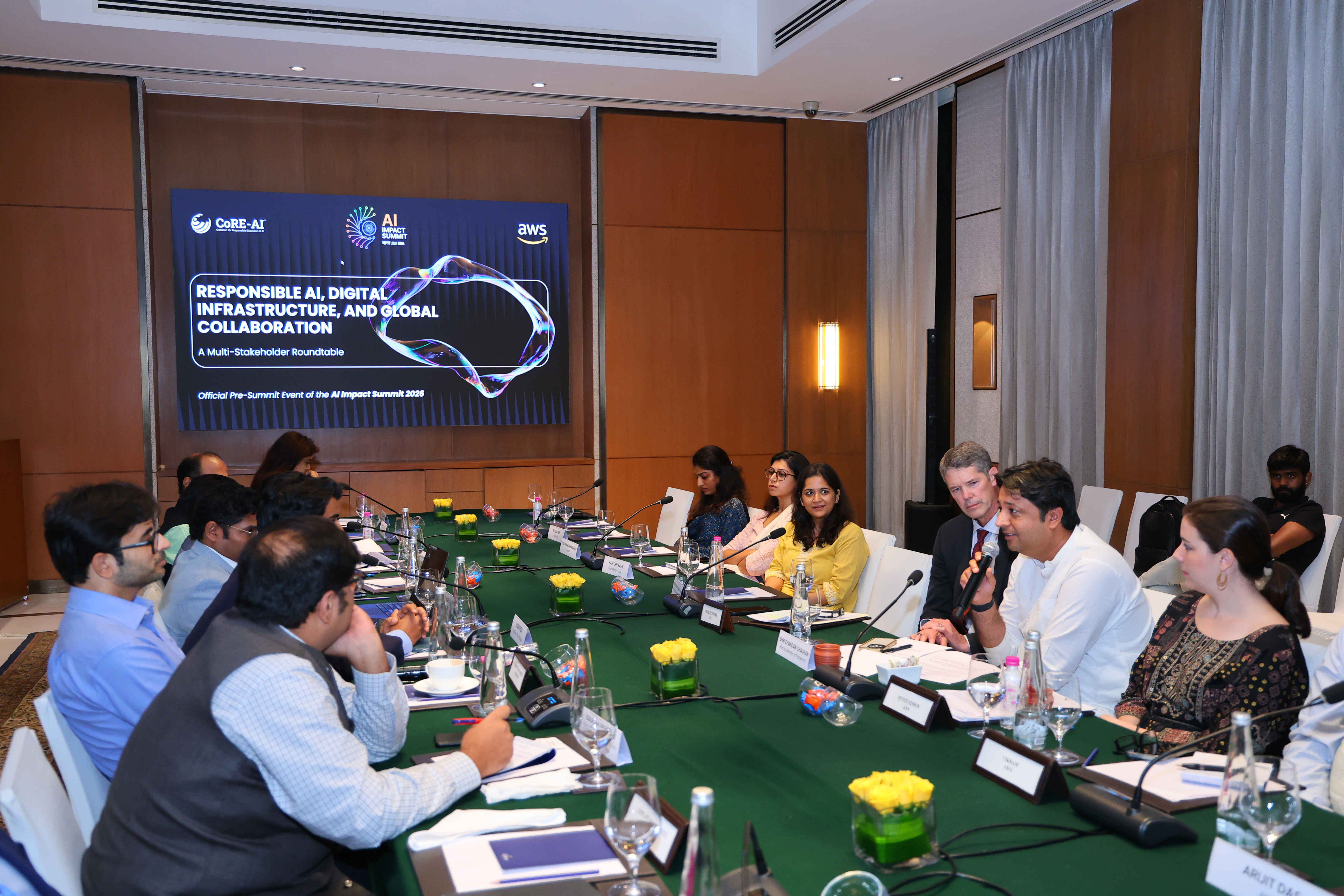
The AWS roundtable on Responsible AI, Digital Infrastructure, and Global Collaboration explored how India can advance responsible AI as a model for the Global South. Discussions focused on scalable digital infrastructure, enabling global collaboration for Indian startups, and policy measures to support inclusive and internationally connected AI innovation ahead of the India–AI Impact Summit 2026.
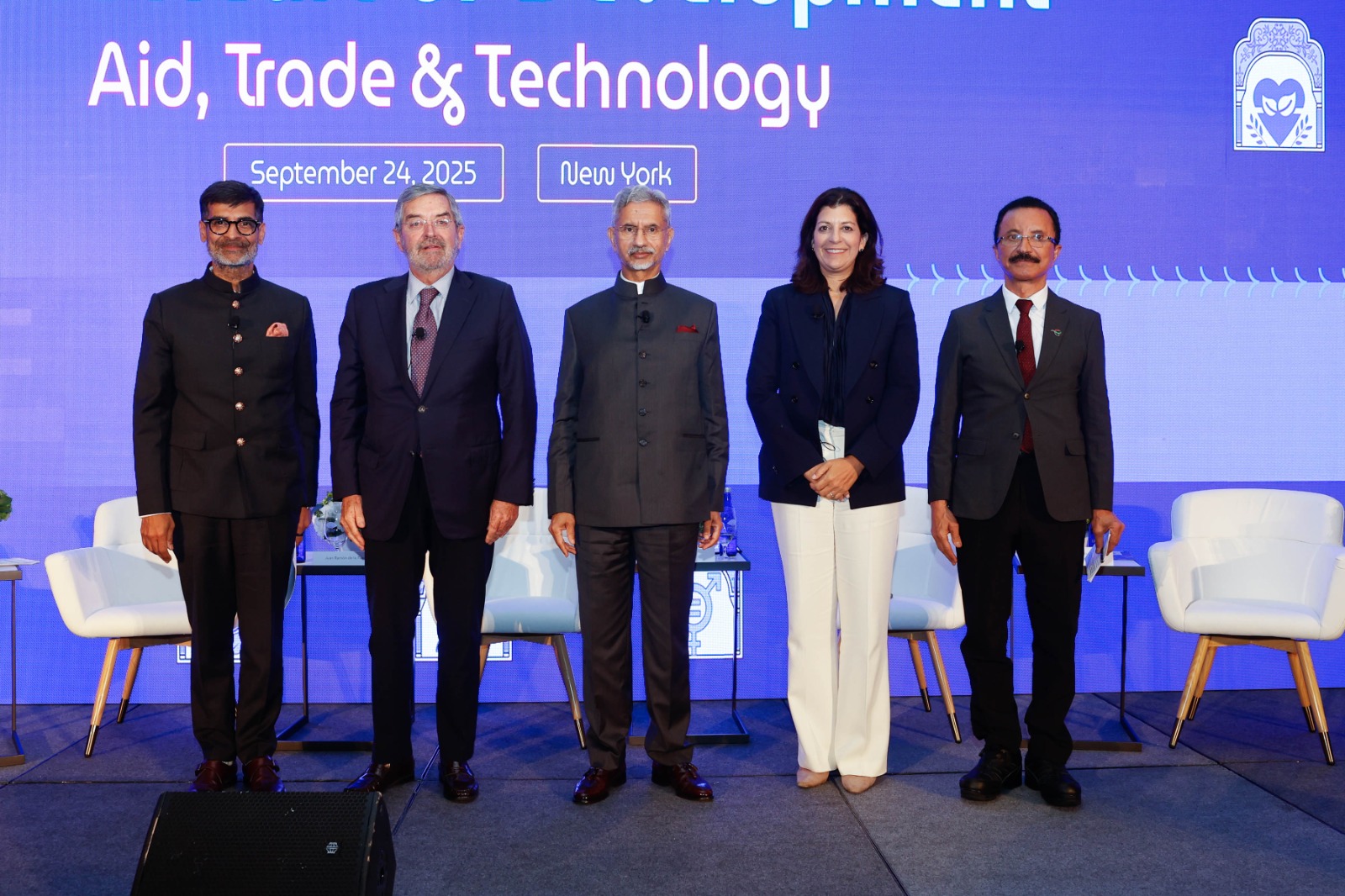
The Observer Research Foundation, in partnership with the United Nations in India and the Reliance Foundation, hosted a high-level panel on At the Heart of Development: Aid, Trade, and Technology. The discussion focused on how emerging technologies, including AI, can advance the Sustainable Development Goals and support global social good initiatives.

