Working Groups At The AI Impact Summit / AI for Economic Growth & Social Good
AI for Economic Growth & Social Good Working Group
Leveraging AI to enhance productivity, innovation, and inclusive development across economies and societies.

About The Working Group
AI can significantly advance development goals, including across healthcare, education, agriculture, among others. However, realizing this potential requires addressing barriers related to capacity gaps, fragmented knowledge-sharing, interoperability, and incentive alignment that limit scalability and replicability. The AI for Economic Growth & Social Good thematic working group seeks to strengthen cooperation, promote knowledge exchange, and identify pathways to scale impactful AI solutions that advance inclusive, sustainable, and equitable growth.
Vision & Objectives
Building an equitable global AI ecosystem
The Working Group will explore approaches to harness AI’s potential for truly inclusive growth, recognising and supporting high impact use cases that become exemplars of AI for both economic growth and social good.
Leadership

Ms. Debjani Ghosh
India Co-Chair
Distinguished Fellow - NITI Aayog
Ms/ Debjani Ghosh is a Distinguished Fellow at NITI Aayog and the Chief Architect of the NITI Frontier Tech Hub, India’s pioneering think tank dedicated to advancing the country’s readiness in frontier technologies for accelerated economic growth and societal development. With over 28 years of leadership experience, including as the first female President of Nasscom and former head of Intel South Asia, she has been at the forefront of driving India’s emergence as a global innovation powerhouse. At Nasscom, Debjani redefined the organization’s focus on frontier technologies, championed India’s deep tech ecosystem, and advanced the nation’s position as a trusted partner for human-centric and sustainable innovation. Her vision of the “Techade” and the “Inevitable India” strategy has inspired a global narrative around India’s leadership in technology-driven transformation. Recognized among India’s “First Ladies” by the President of India, she has been featured in Vogue’s “Tech Leader of the Year” and in FemaleOneZero’s “40 over 40 - World’s Most Inspiring Women.”

Netherlands
Country Co-Chair

Indonesia
Country Co-Chair
Key Issues
Understanding the global AI divide and our approach to bridging it
The Challenge
While AI holds immense potential to accelerate economic growth and social progress, realizing this promise at scale remains a challenge. Many high-impact AI solutions addressing critical development priorities continue to face barriers to replication and sustainability. Resource and capacity asymmetries, fragmented innovation ecosystems, lack of interoperability, and misaligned incentive structures constrain scalability and equitable access.
The Solution
Addressing these challenges requires greater collaboration to bridge the “pilot-to-scale” gap, promote knowledge and resource sharing, and strengthen local innovation ecosystems that reflect regional realities.
The Impact
Advancing this agenda can enable countries to adapt proven solutions, avoid duplication, and ensure that AI contributes meaningfully to inclusive and sustainable development outcomes.
Meeting Schedule
12th January 2026
Hybrid Meeting (Lucknow)

Help shape the future of global AI by sharing your perspectives, suggestions, and expertise. Your input will contribute to equitable access and inclusive AI innovation worldwide.
Share your input
We value your insights and contributions to the working groups
Related Pre-Summit Events
Join related events building momentum for the summit
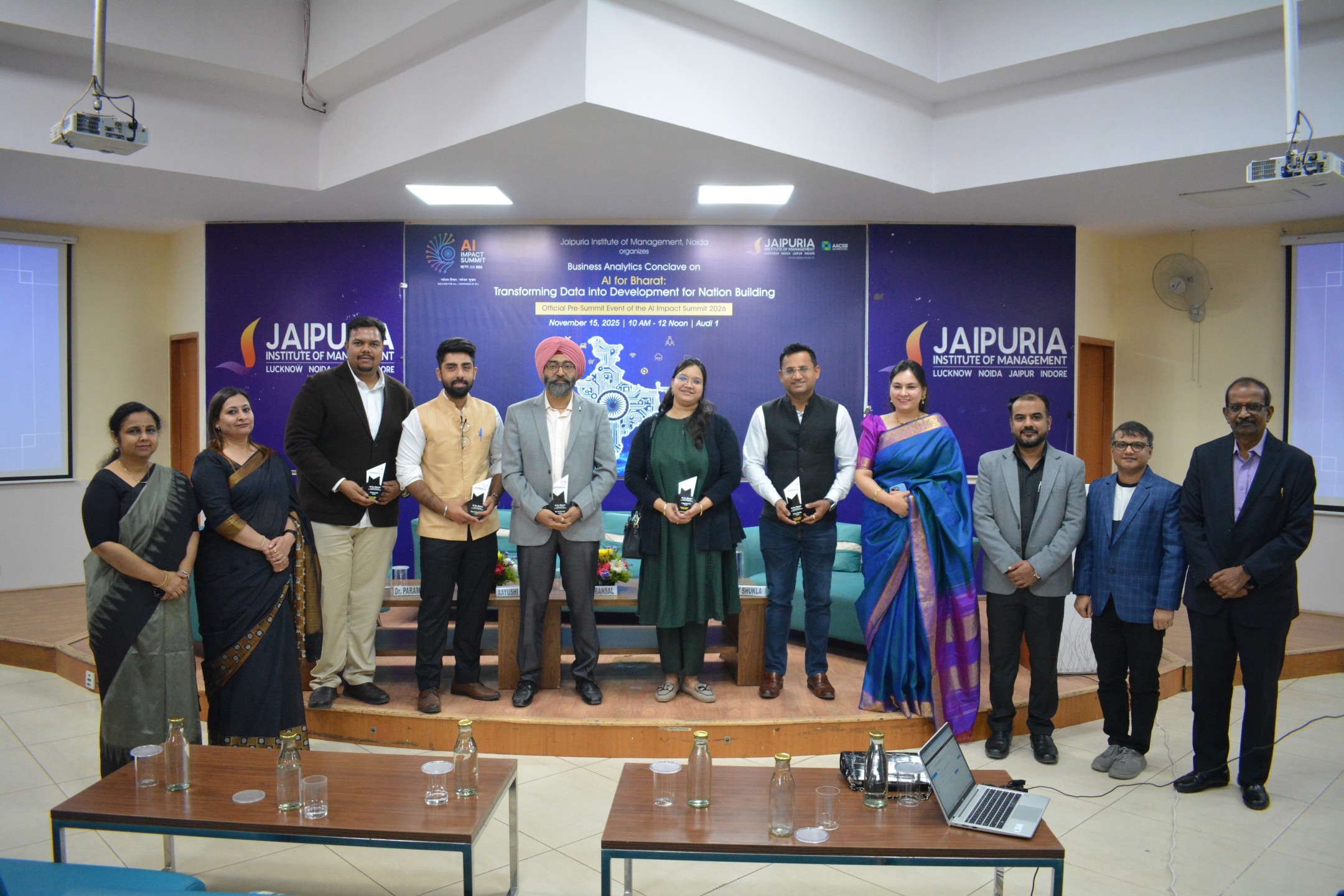
The event brought together thought leaders, policymakers, industry experts, and young professionals to explore how Artificial Intelligence and data-driven insights can accelerate India’s journey toward inclusive and sustainable growth. Featuring keynotes, panel discussions, and a student datathon, the event spotlighted responsible and inclusive AI for nation-building under Viksit Bharat @2047. It emphasized collaboration between government, academia, and industry, promoting ethical innovation and applied learning. The conclave also generated actionable insights and a White Paper to inform the India AI Impact Summit 2026 under the themes of People, Planet, and Progress.
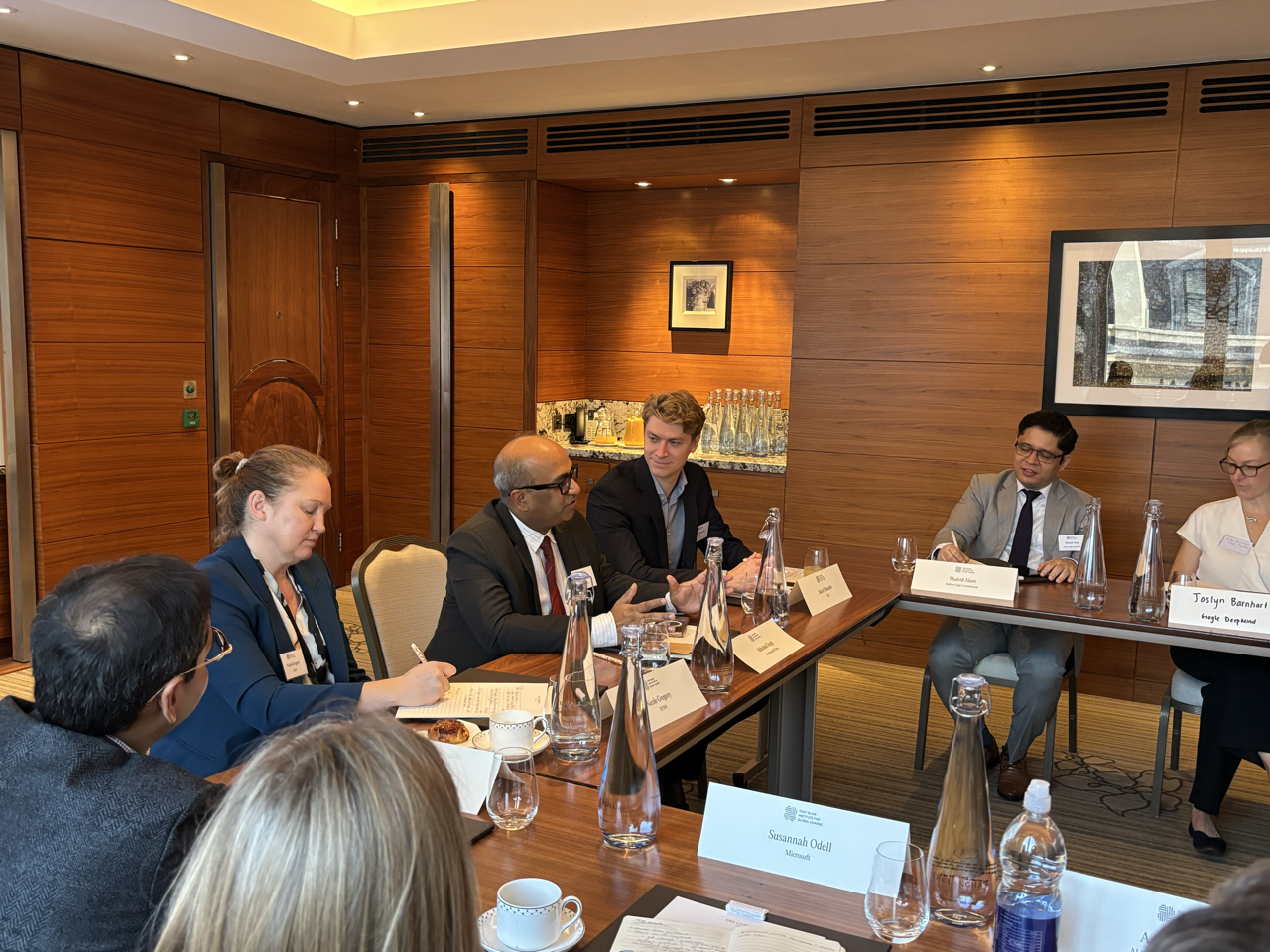
A high-level pre-summit dialogue supporting the India AI Impact Summit 2026. This closed-door roundtable convened around 20 influential leaders from government, industry, academia, and philanthropy to advance UK–India collaboration on inclusive and responsible AI governance. Through keynotes, moderated discussions, and cross-sector engagement, the session strengthened alignment on shared priorities—AI for human development, ethical innovation, and global safety—building momentum toward the India AI Impact Summit 2026 under the theme People, Planet, and Progress.
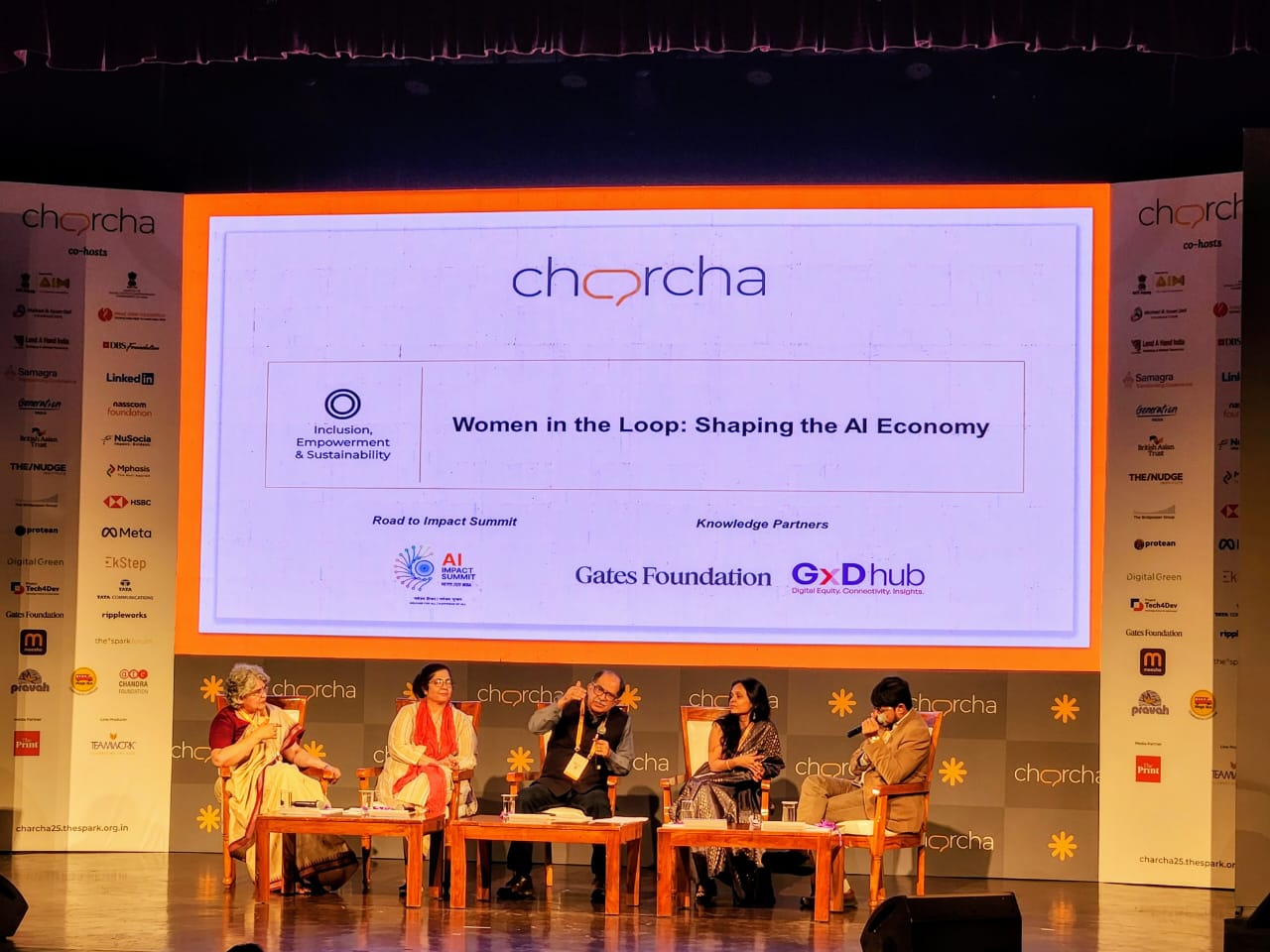
A high-level dialogue focused on ensuring women’s equitable participation in the AI economy, aligning with the IndiaAI Mission’s Human Capital pillar. Opening with the question, “As AI redefines the nature of work, how do we ensure women are not left behind, but lead this transformation?”, the session explored opportunities and risks for women’s employment, future-ready skilling, and gender-responsive AI design. Featuring cross-sectoral experts, it spotlighted innovative models such as community data labs and women-led digital cooperatives. The event also marked the launch of the Sanmati 2.0 Report on women and digital inclusion.
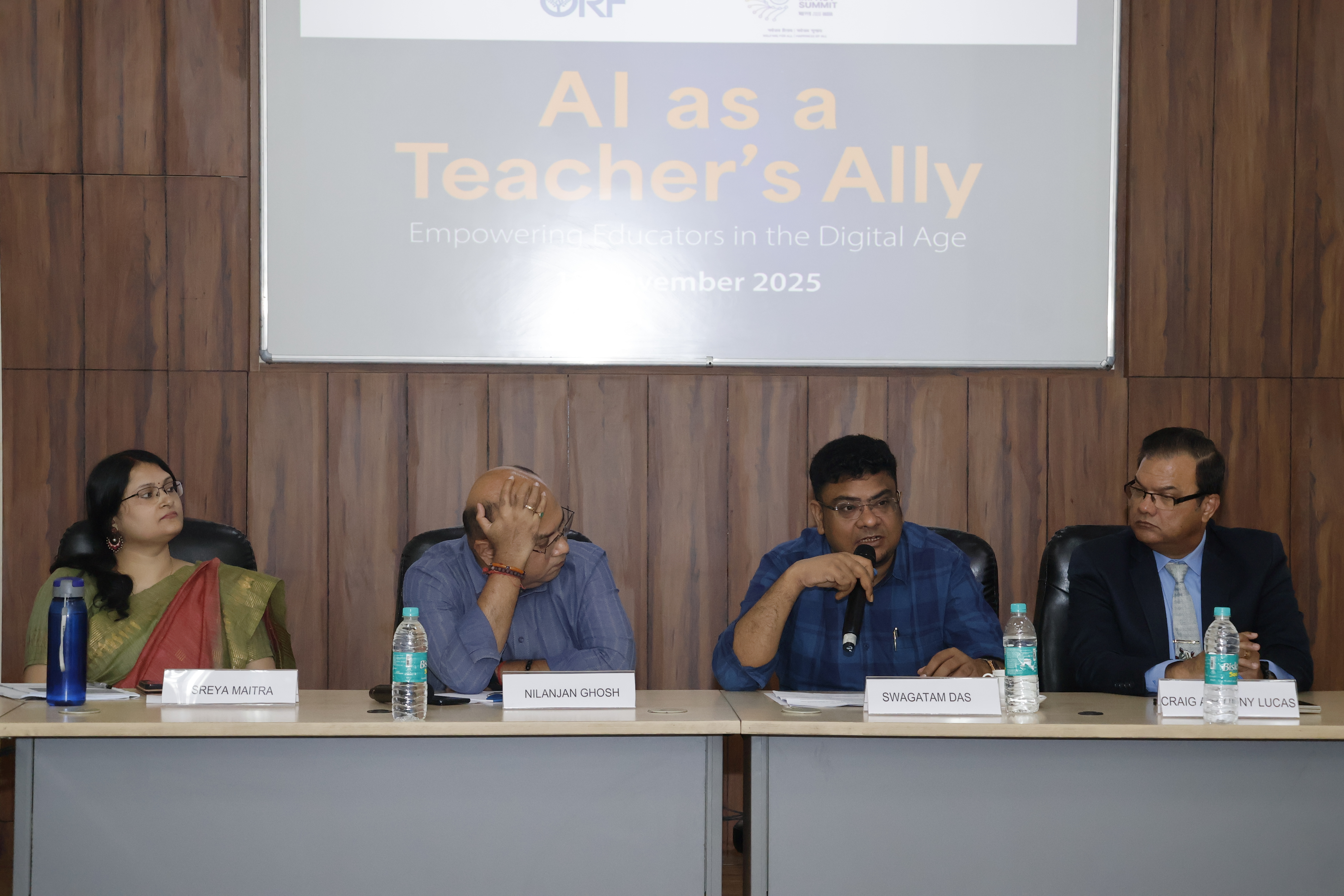
"The “AI as a Teacher’s Ally: Empowering Educators in the Digital Age” panel, held on November 12, 2025 at ORF Kolkata, explored how teacher-focused, ethical AI tools can reduce administrative burdens, support differentiated instruction, and improve teaching outcomes in India’s resource-constrained classrooms. The discussion highlighted pathways for practical, teacher-first AI adoption, aligning with the Human Capital agenda to enhance educators’ efficiency and well-being. Key recommendations and insights from the event were synthesized for the AI Impact Summit 2025 deliberations."
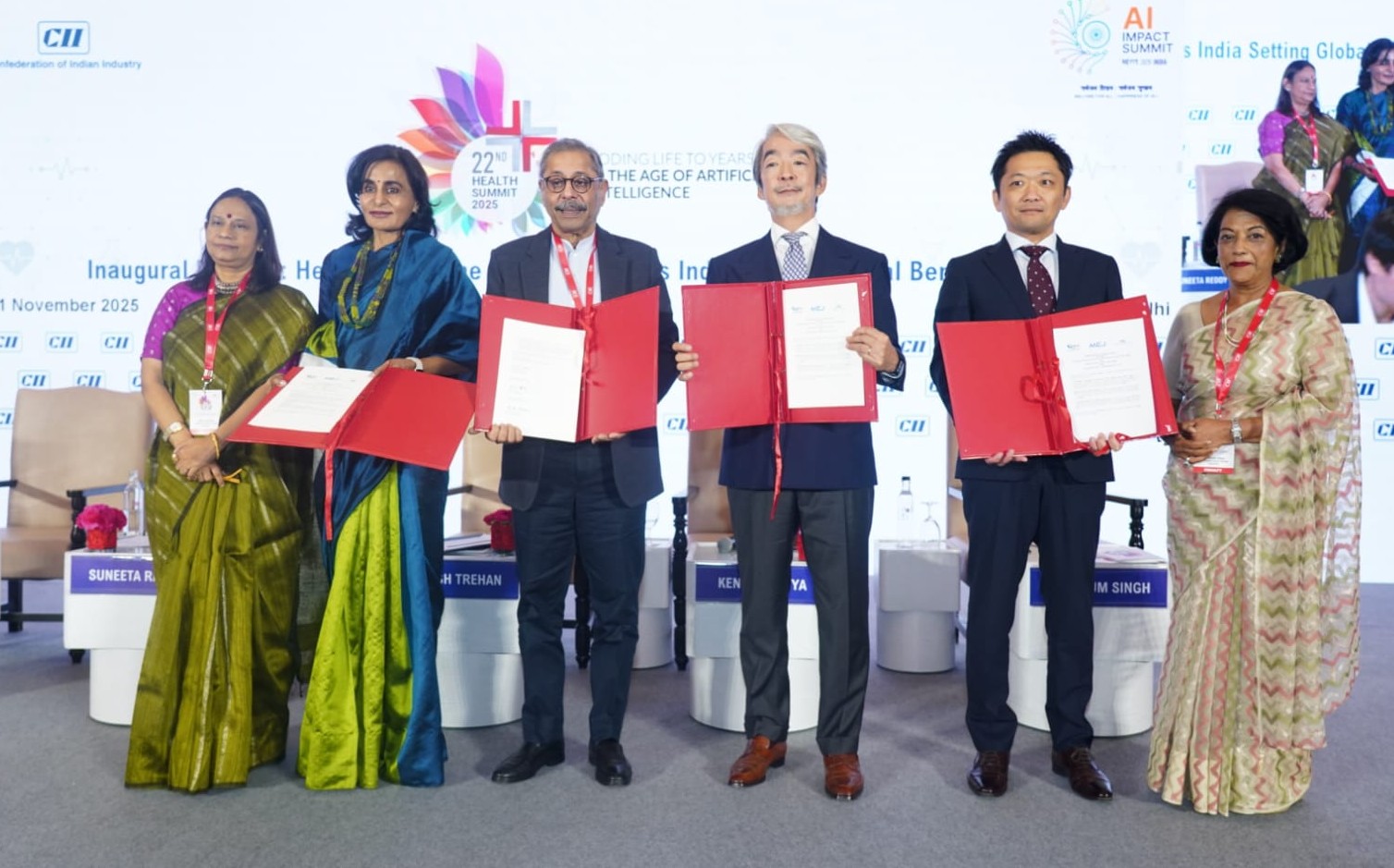
The 22nd CII Annual Health Summit 2025, held on November 11, 2025, at The Lalit in New Delhi, focused on “Adding Years to Life in the Age of Artificial Intelligence.” It explored how AI can transform healthcare through predictive diagnostics, personalized medicine, and equitable access, advancing longevity and precision care. The summit brought together policymakers, global experts, and industry leaders to discuss innovations in care delivery, ethical AI, healthcare financing, and the care economy, with a special focus on public health outcomes and global health equity. Key outcomes included strategic international partnerships, notably with Japan, MoU signings, and strengthened alignment with India’s vision for sustainable healthcare leading to Viksit Bharat @2047. The event was hosted by the Confederation of Indian Industry (CII).
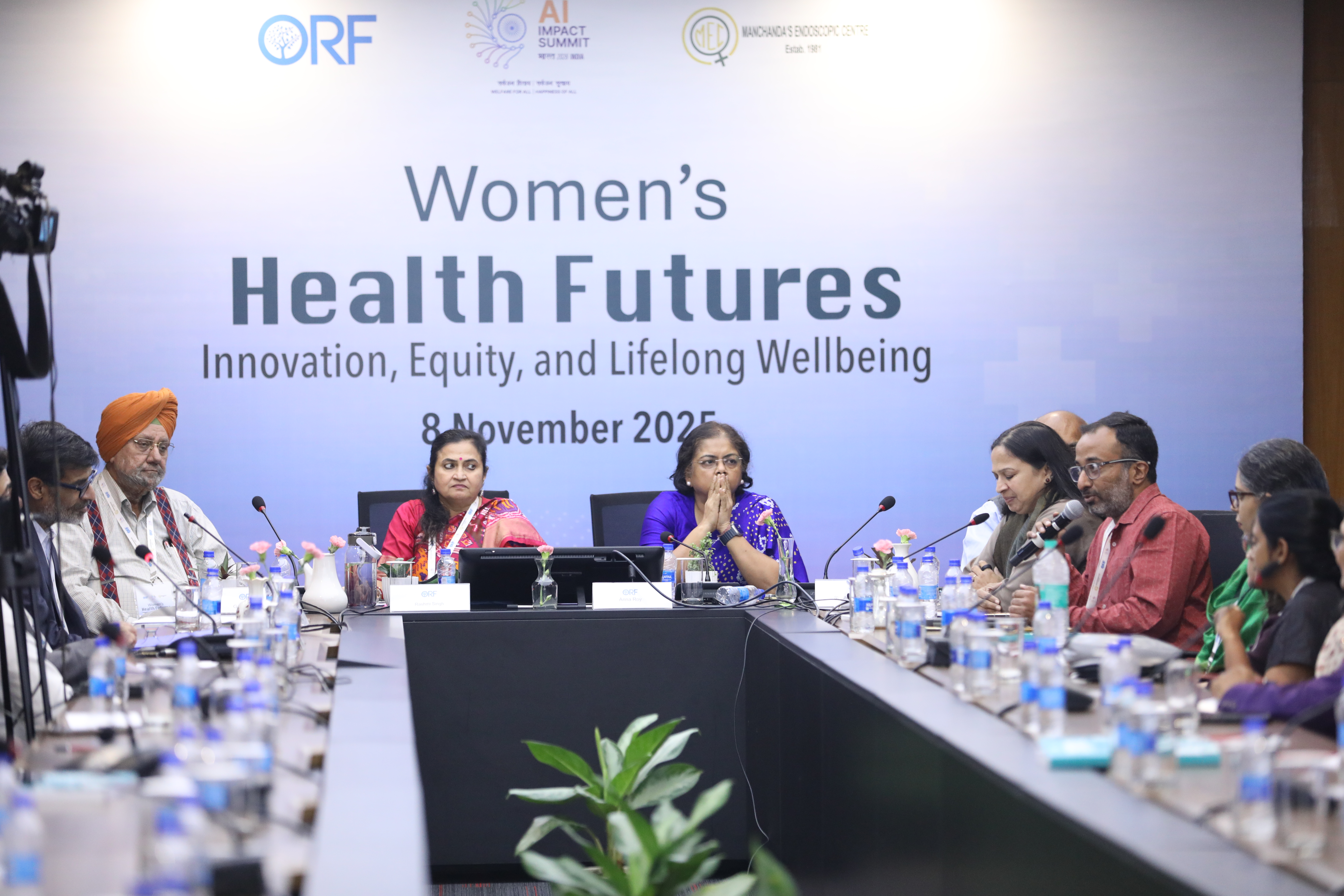
"The "Women’s Health Futures: Innovation, Equity, and Lifelong Wellbeing" roundtable held on November 8, 2025, in New Delhi, co-organized by the Observer Research Foundation and Manchanda’s Endoscopic Centre, focused on advancing AI and emerging technologies to improve women’s health outcomes across India. The discussion addressed gender disparities, trust, data safety, and policy innovations to promote equitable healthcare. The event aligned with AI Impact Summit pillars on Science and Social Good, culminating in a special report to guide inclusive health policies and cross-sector collaboration.
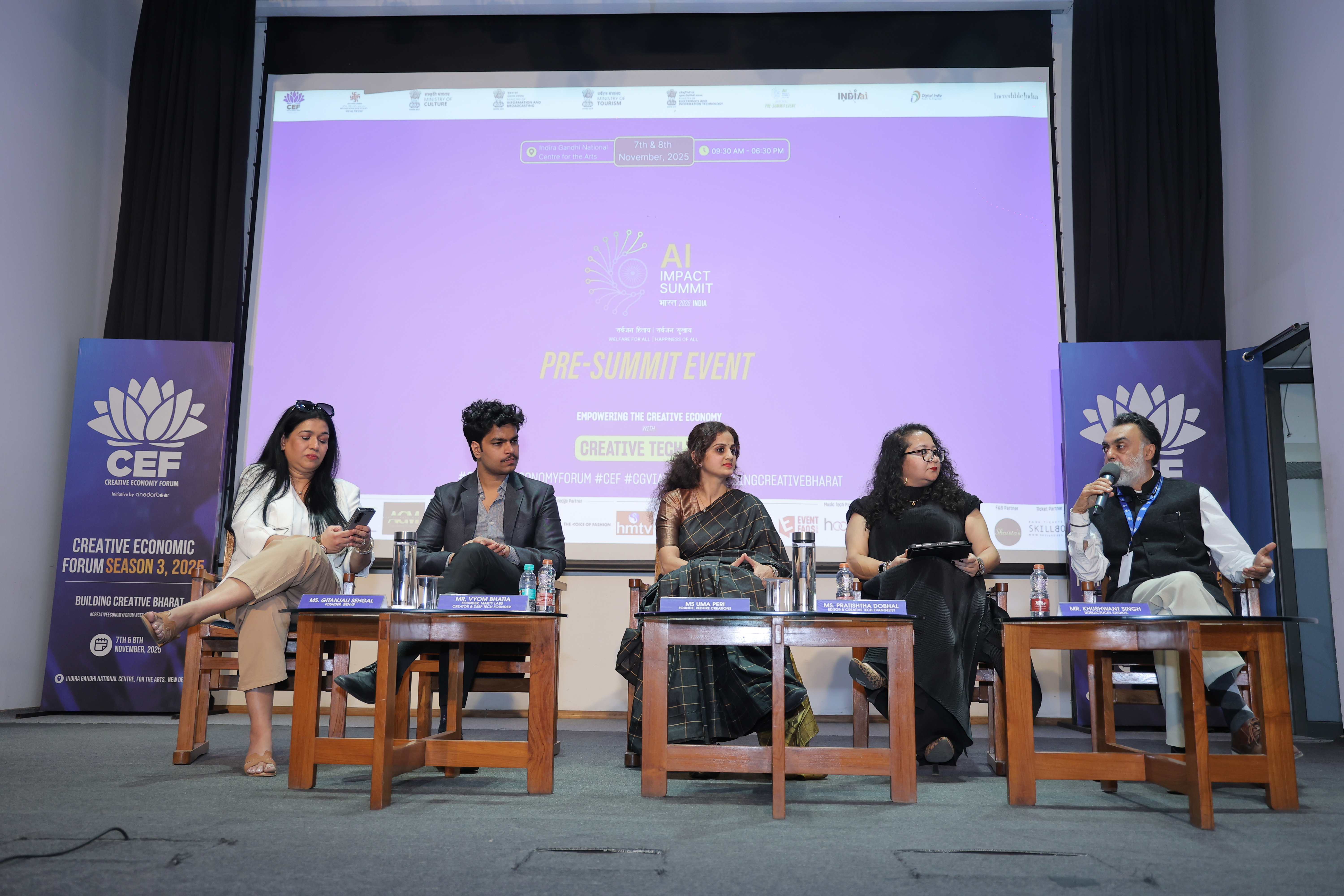
"The Creative Economy Forum held on November 7, 2025, at Indira Gandhi National Centre for the Arts, New Delhi, featured pioneering artists demonstrating AI-powered creative innovations across various fields. The panel discussion brought together thought leaders and policymakers to explore how AI enhances human creativity, fosters cultural expression, and drives economic growth aligned with People, Planet, and Prosperity. The forum aimed to position India as a global hub for AI-driven creativity, fostering collaboration between artists, tech companies, and startups while democratizing access to AI tools for inclusive cultural entrepreneurship."
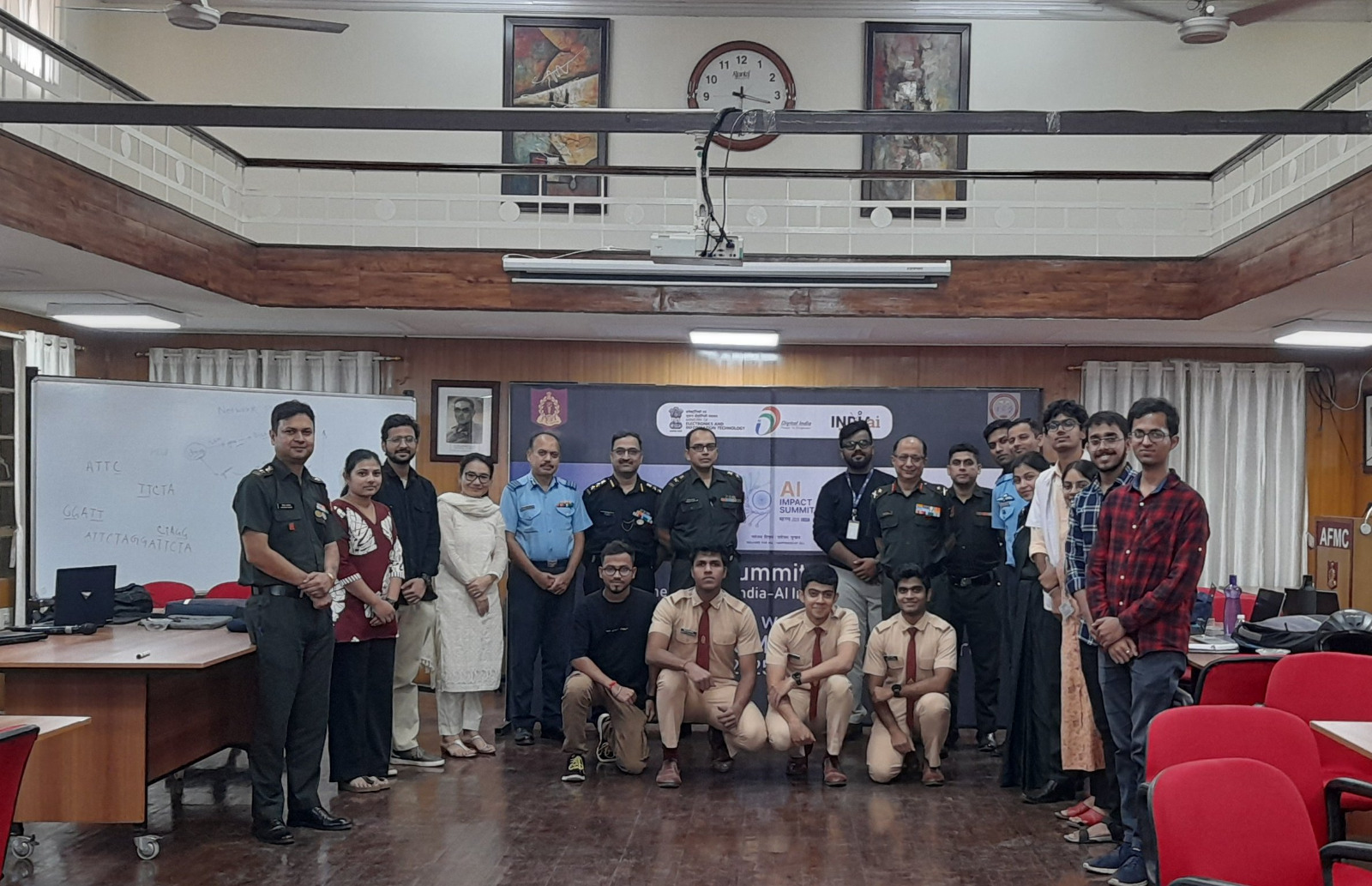
The Coding Workshop: Large Language Models in Healthcare, held on November 6, 2025 at AFMC Pune and broadcast to AFMS hospitals, trained medical professionals in deploying and customising LLMs for secure, ethical healthcare applications. Participants engaged in live coding, model evaluation, and privacy-focused deployment exercises—building domain-specific AI skills for diagnosis and workflow efficiency. The program strengthened India’s health AI ecosystem, supporting the Safe and Trusted AI, Science, and Resilience pillars of the IndiaAI Impact Summit.
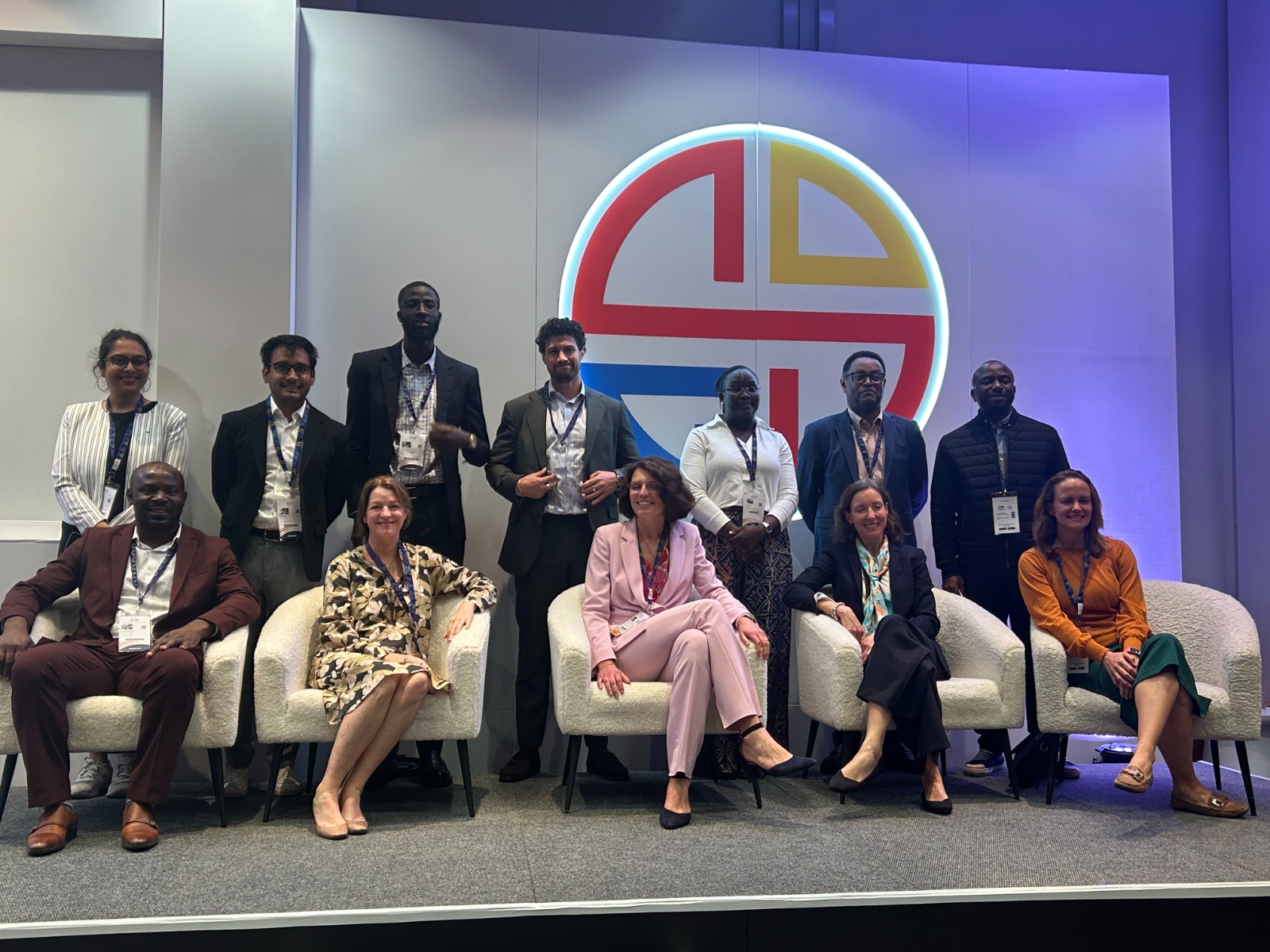
The “Shaping the Future of AI and DPI: A Consultative Workshop” held on November 5, 2025, at the Cape Town International Convention Centre convened stakeholders from government, philanthropy, industry, academia, and civil society. Co-designed with the Gates Foundation and supported by UN and ITU facilitators, the workshop focused on aligning AI innovation with Digital Public Infrastructure to drive equitable, sustainable global digital development. The workshop will produce a white paper, foster ongoing dialogue, and set a consensus roadmap to integrate AI and DPI strategies in international development.
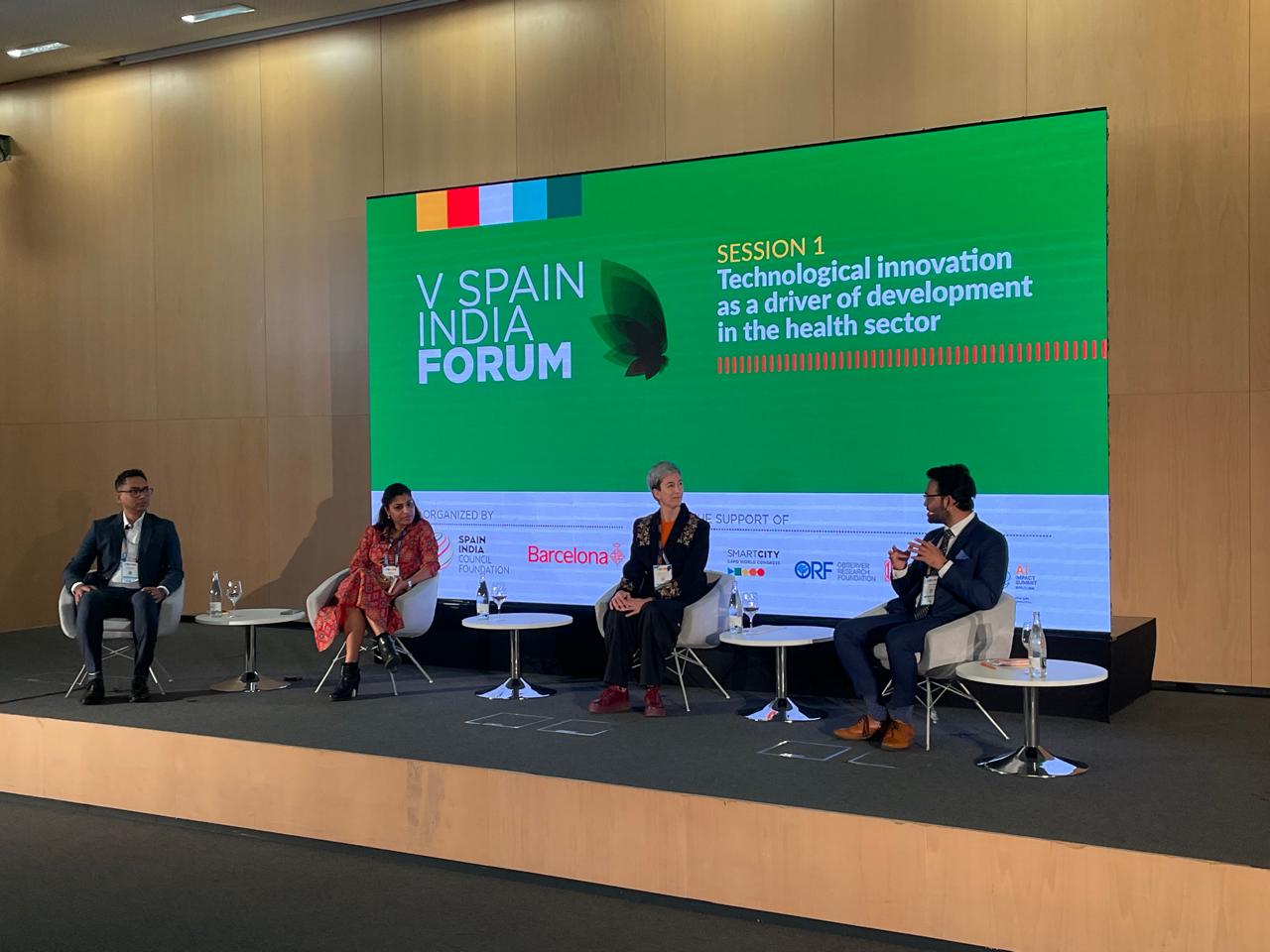
The panel "Digital Talent and Technological Innovation as Drivers of Development in Health and AI, " held on November 5, 2025, at the Smart City Expo World Congress in Barcelona, brought together leaders from tech companies, academia, R&D, and incubators to foster India–Spain collaboration in AI-powered healthcare innovation. The discussion focused on advancing healthcare systems, improving patient outcomes, and strengthening biomedical research, highlighting the role of digital talent and AI-driven innovation in global health."
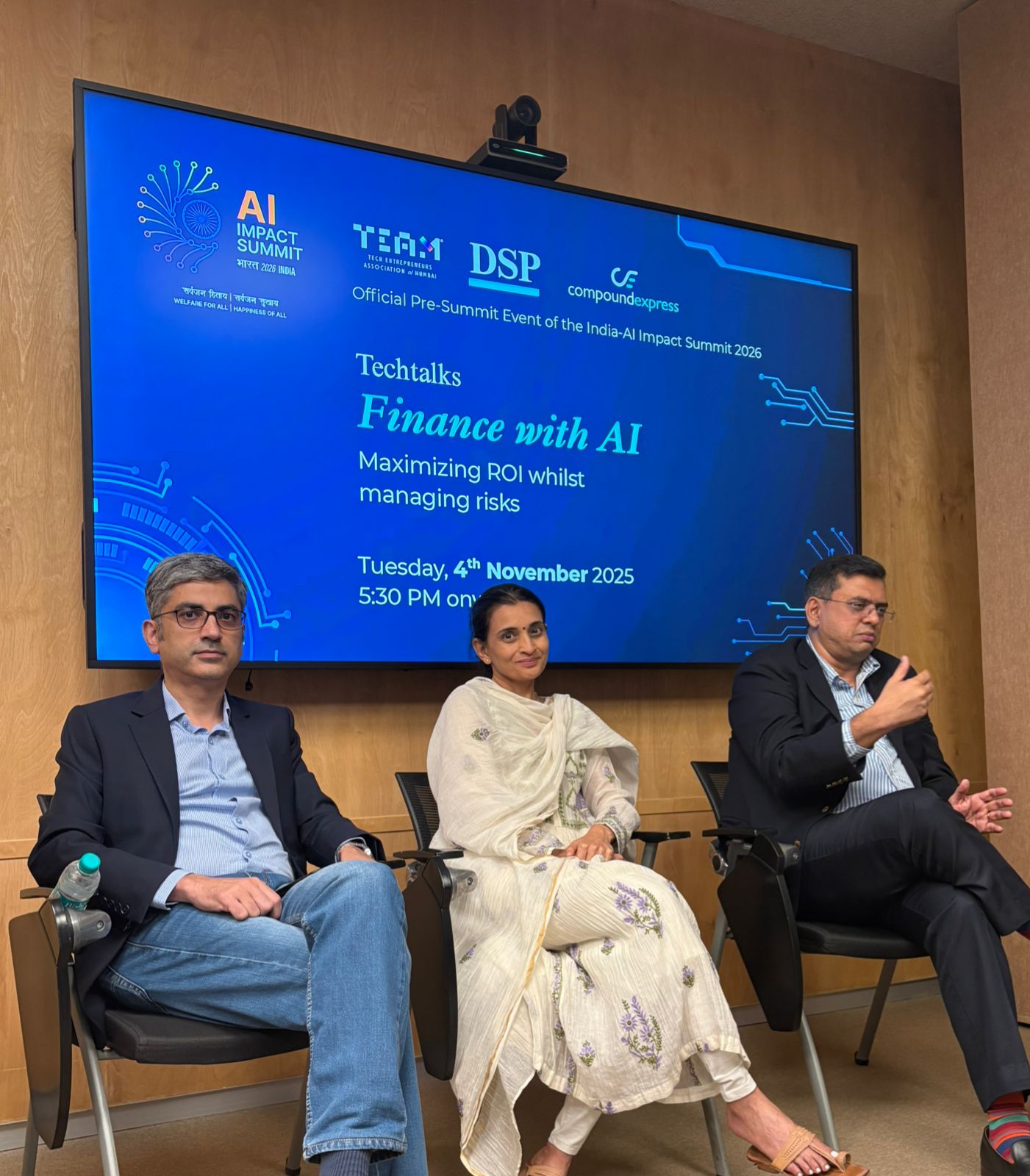
The “Finance with AI: Maximizing ROI Whilst Managing Risks” panel, held in Mumbai on November 4, 2025, brought together fintech founders, AI experts, and finance professionals to explore real-world applications of AI in wealth management, investing, and risk mitigation. Participants discussed how responsible AI adoption is moving finance beyond risk avoidance to measurable value creation and enhanced trust, while offering practical strategies for implementing safe and profitable AI solutions in the sector. The event fostered collaboration and insights for scaling trustworthy AI across India’s financial ecosystem.
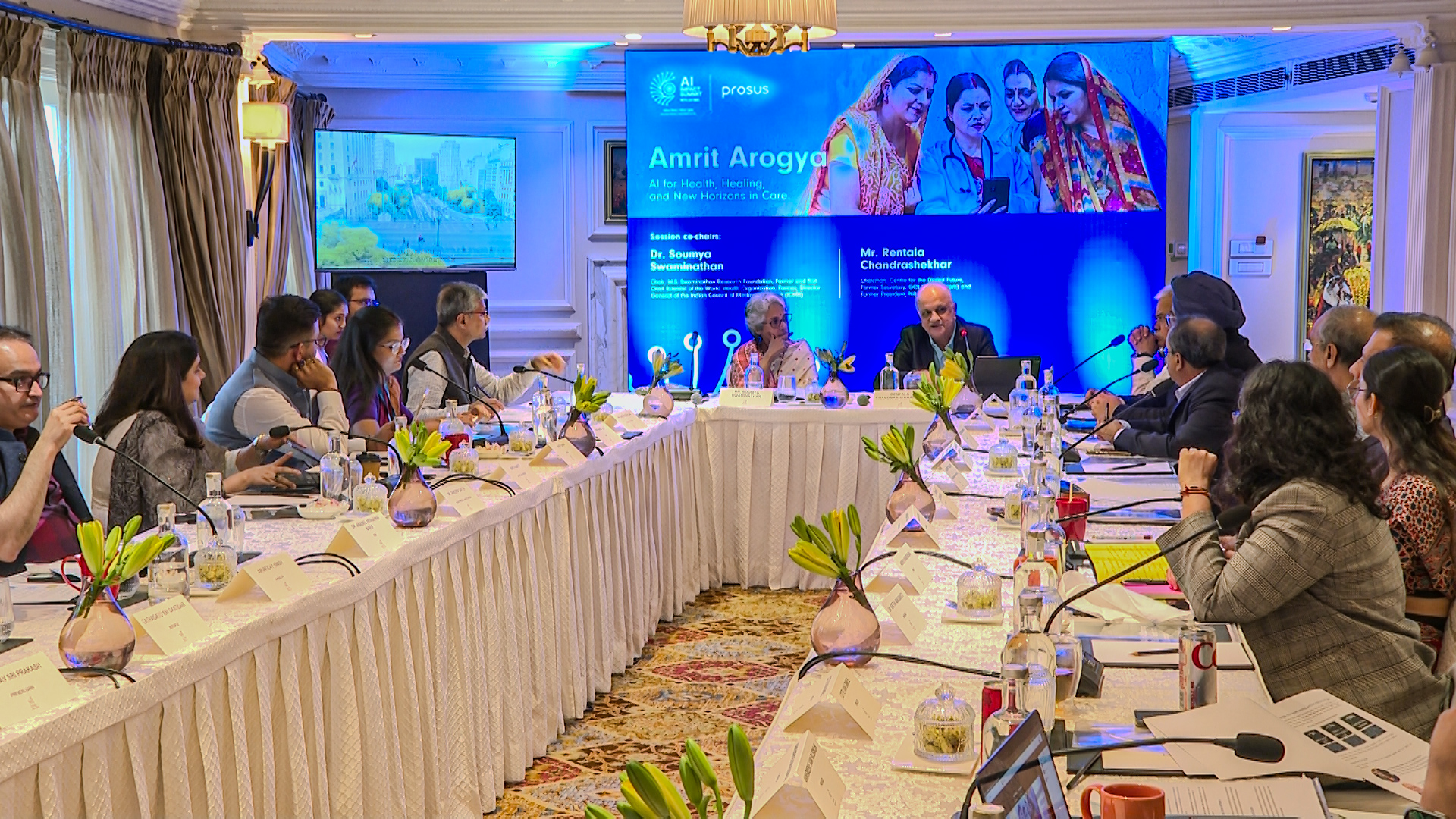
The “AI for All: Catalysing Jobs, Growth, and Opportunity” roundtable series, held from November 3, 2025, to January 31, 2026, across Delhi, Mumbai, and Bangalore, focused on shifting the AI discourse in India toward job creation and inclusive economic growth. Engaging government, industry leaders, researchers, and startups, the sessions explored sector-specific pathways in healthcare, agriculture, education, manufacturing, and finance to expand AI-driven employment opportunities. The series culminated in a comprehensive White Paper to inform policymaking and support India’s human capital transformation as a global leader in ethical, equitable AI development.
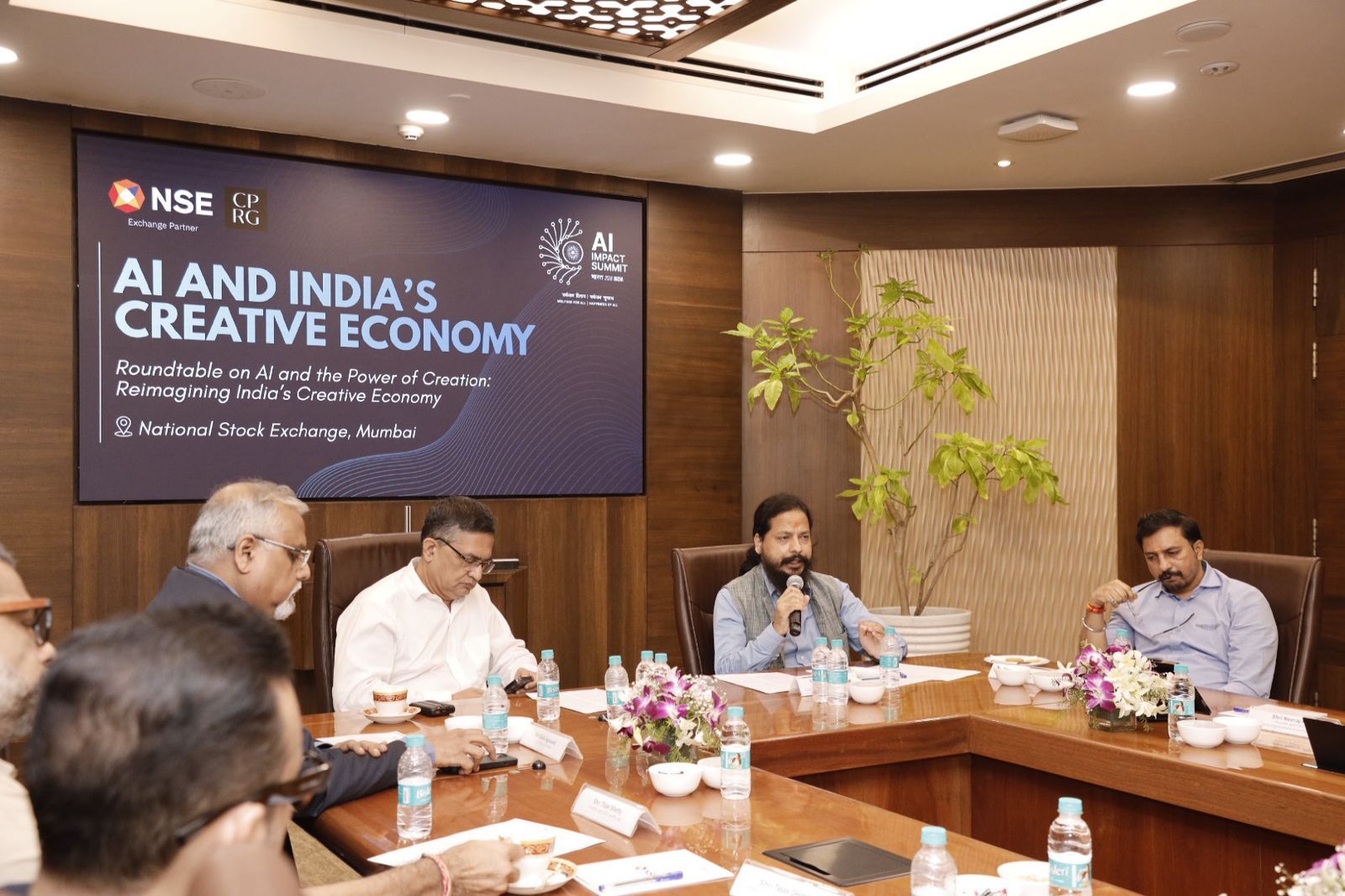
The AI and the Future of Film and Media Industry Forum held on November 1, 2025, at the National Stock Exchange in Mumbai explored AI's transformative role across the cinematic value chain, from scriptwriting to post-production. Featuring leading filmmakers, technologists, and cultural theorists, the forum addressed opportunities for creativity and accessibility alongside challenges in ethics and regulation. The event aligned with the IndiaAI Impact Summit's focus on democratizing AI resources, fostering innovation, and preserving cultural authenticity in the creative economy.
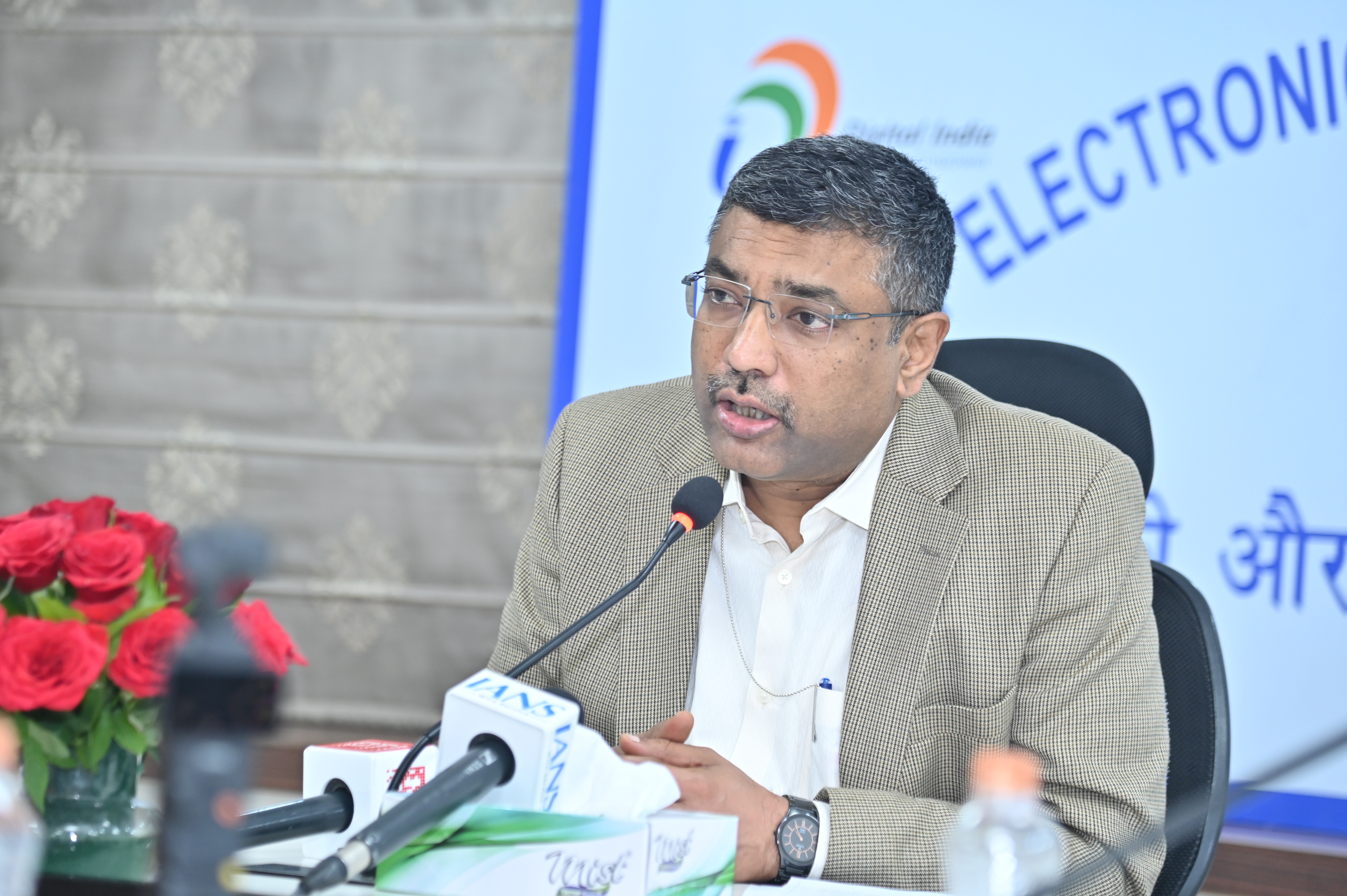
The Ministry of Electronics and Information Technology (MeitY) organised a Curtain Raiser event on October 23, 2025, to build momentum for its participation in the Emerging Science, Technology, and Innovation Conclave (ESTIC) 2025. The curtain raiser event was chaired by Shri S Krishnan, Secretary MeitY, in presence of Dr. Ganesh Ramakrishnan, Institute Chair Professor, Department of Computer Science and Engineering, IIT Bombay and Ms. Kavita Bhatia, Scientist G and Group Coordinator, AI & ET Division, MeitY.
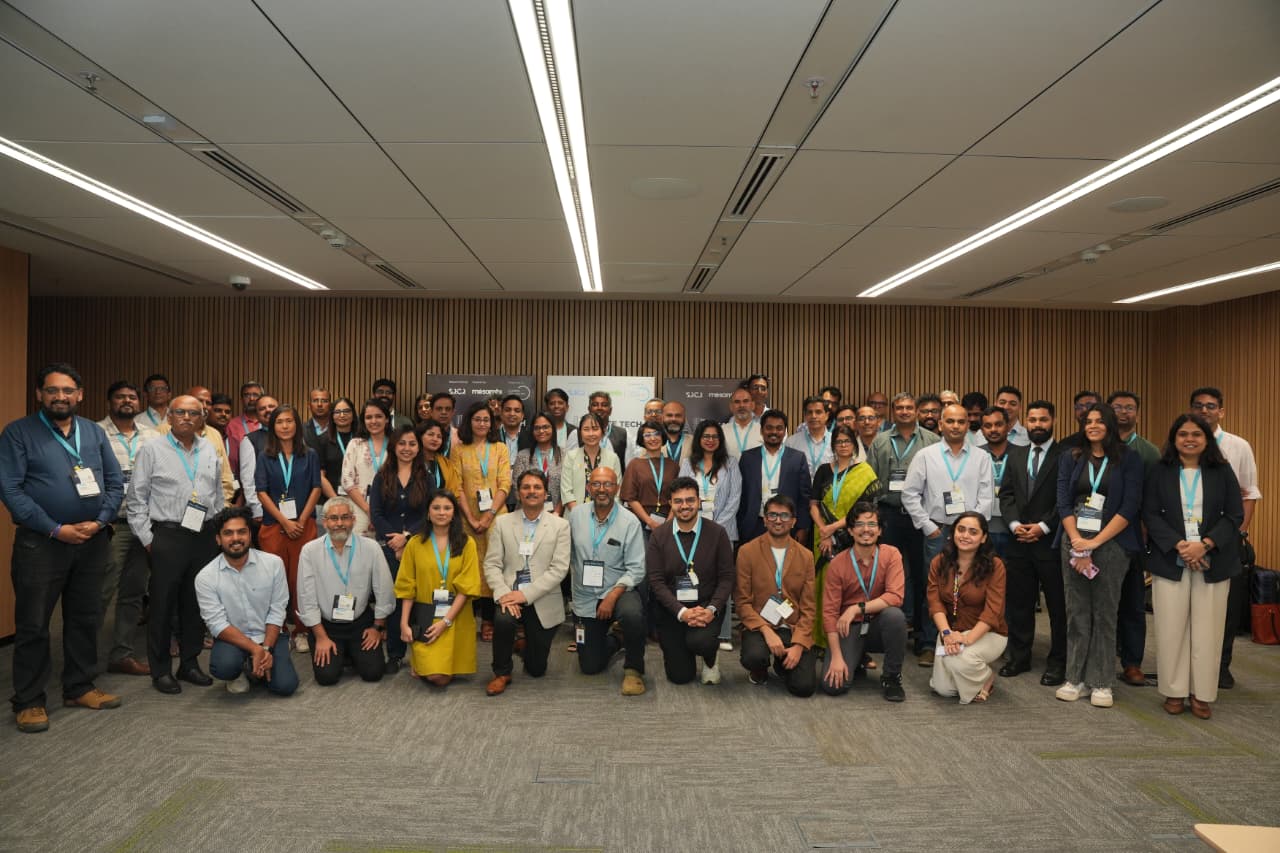
The AI for Climate Tech Summit 2025 brought together industry leaders, investors, policymakers, and startups to explore AI’s role in advancing climate resilience and sustainable development in key sectors such as energy, agriculture, and urban risk. The summit aimed to bridge government, industry, and research efforts to accelerate AI-driven climate innovation aligned with India’s developmental and net-zero goals. Preceded by an official pre-summit dialogue in Delhi, the event fostered actionable insights and collaborative momentum for scaling AI-powered climate solutions, directly supporting the “Planet” and “Progress” themes of the India–AI Impact Summit 2026.
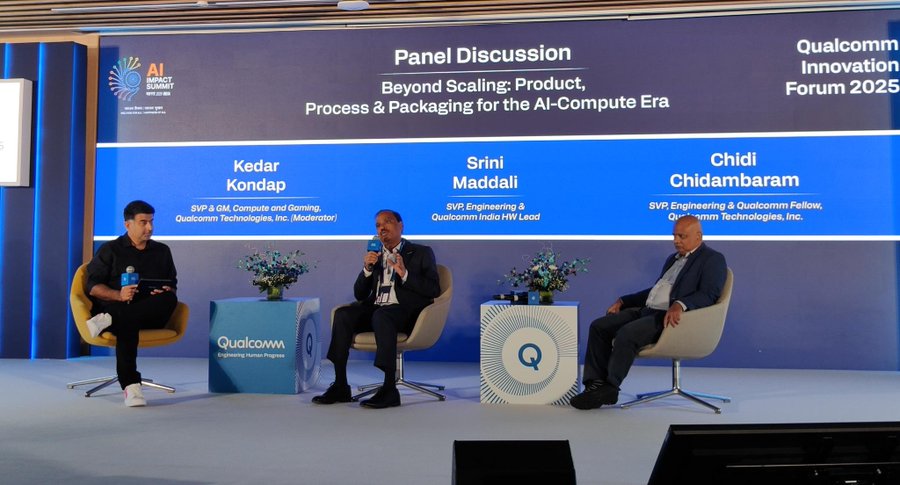
The Qualcomm Innovation Forum 2025 held in Bengaluru featured keynotes, panels, and demos emphasizing on-device and edge AI technologies, workforce development, frugal innovation, and ethical AI governance. It engaged over 1,300 participants across academia, industry, government, and civil society, spotlighting real-world AI applications in healthcare, education, agriculture, and public safety. The event produced actionable policy briefs, developer toolkits, and strategic vision reports to advance responsible AI innovation and ecosystem collaboration in India.
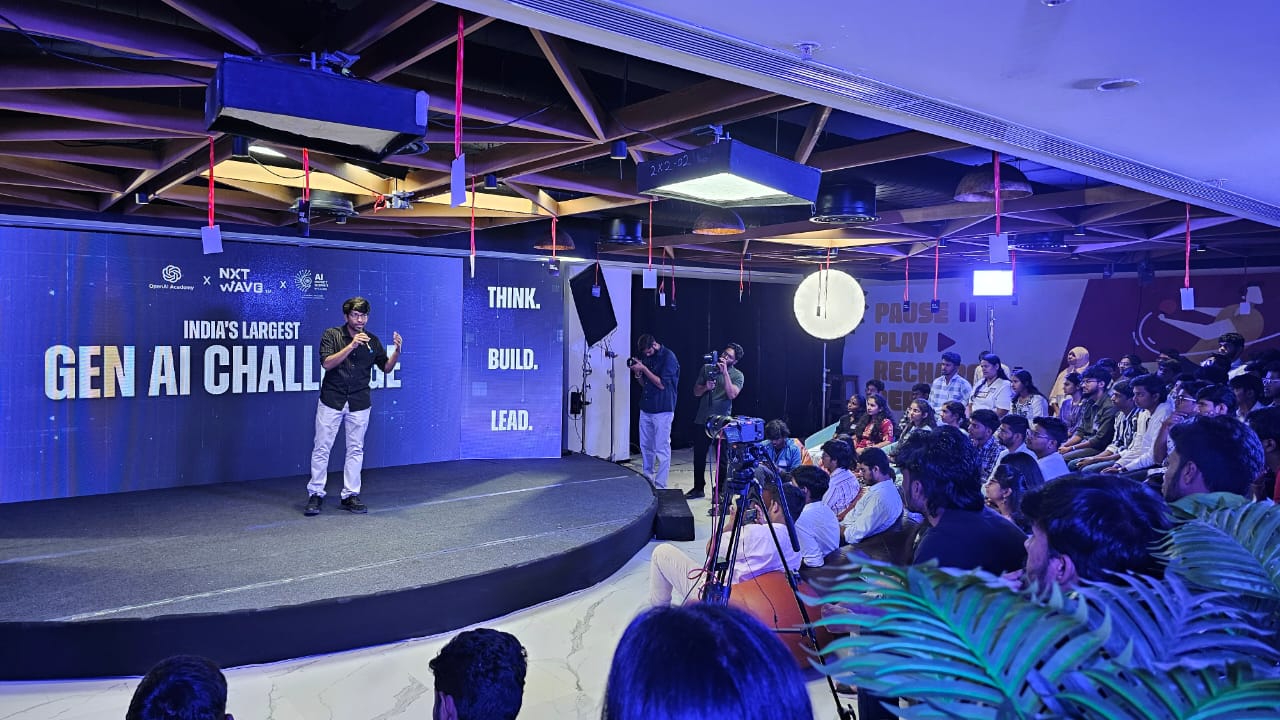
Hyderabad Chapter- The Hyderabad Chapter of the OpenAI Academy x NxtWave Buildathon, hosted at the NxtWave Institute of Advanced Technologies (NIAT), Telangana, marked the launch of the nationwide GenAI innovation challenge. Bringing together students, mentors, and industry experts, it focused on building real-world AI solutions for sectors like healthcare, education, and sustainability. The event showcased Telangana’s leadership in digital skilling and AI innovation, setting the tone for inclusive, responsible AI development across India.
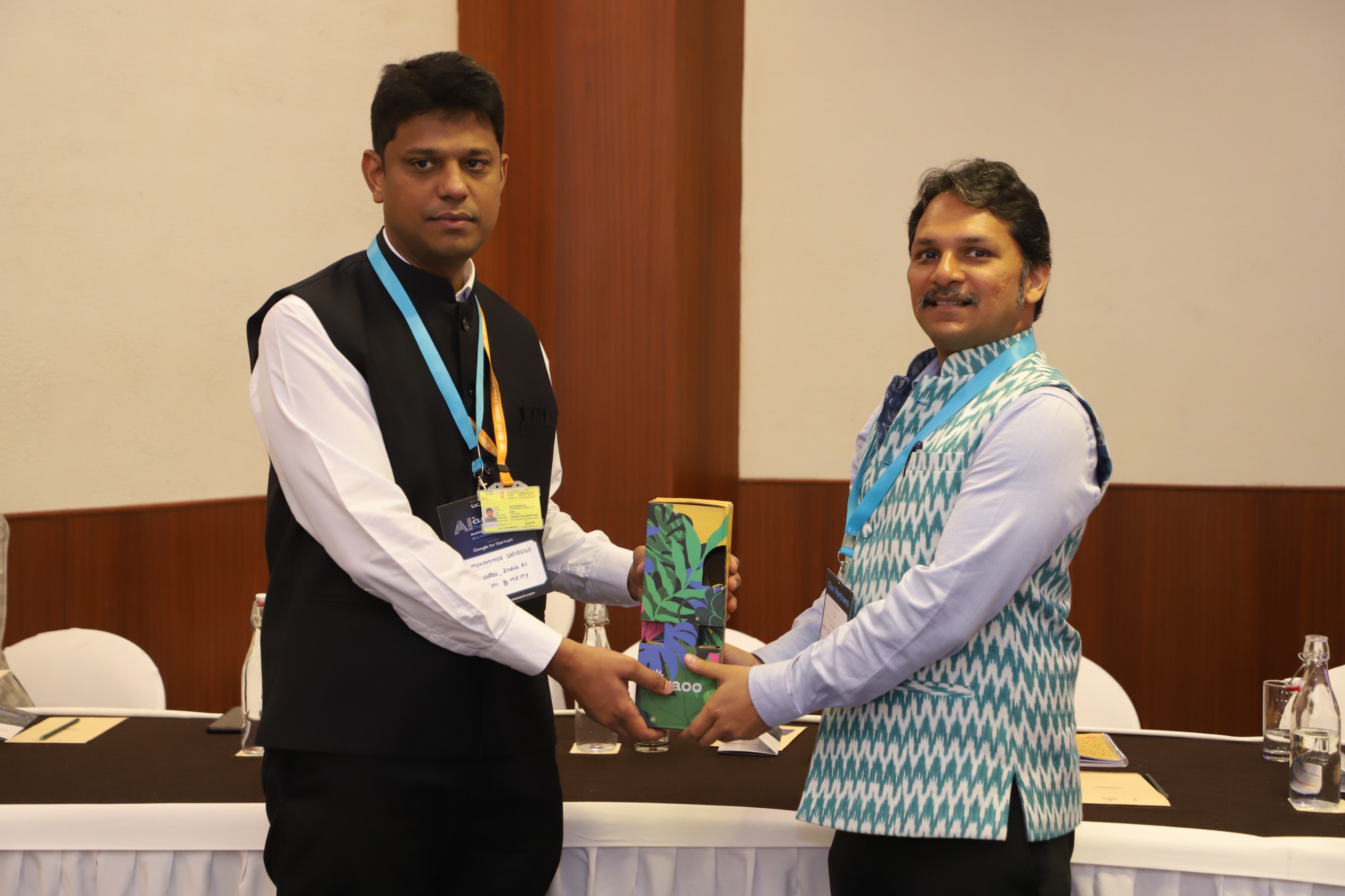
Organized under the themes of Resilience, Science, and Social Good, the roundtable explored how AI can accelerate sustainable development across India’s power and built environment sectors. Participants identified actionable policy priorities and strategies to advance AI-driven climate innovation. The dialogue culminated in a whitepaper and served as a lead-up to the “AI for Climate Tech Summit” in Bengaluru, aligning closely with the India AI Impact Summit’s Planet and Progress themes.
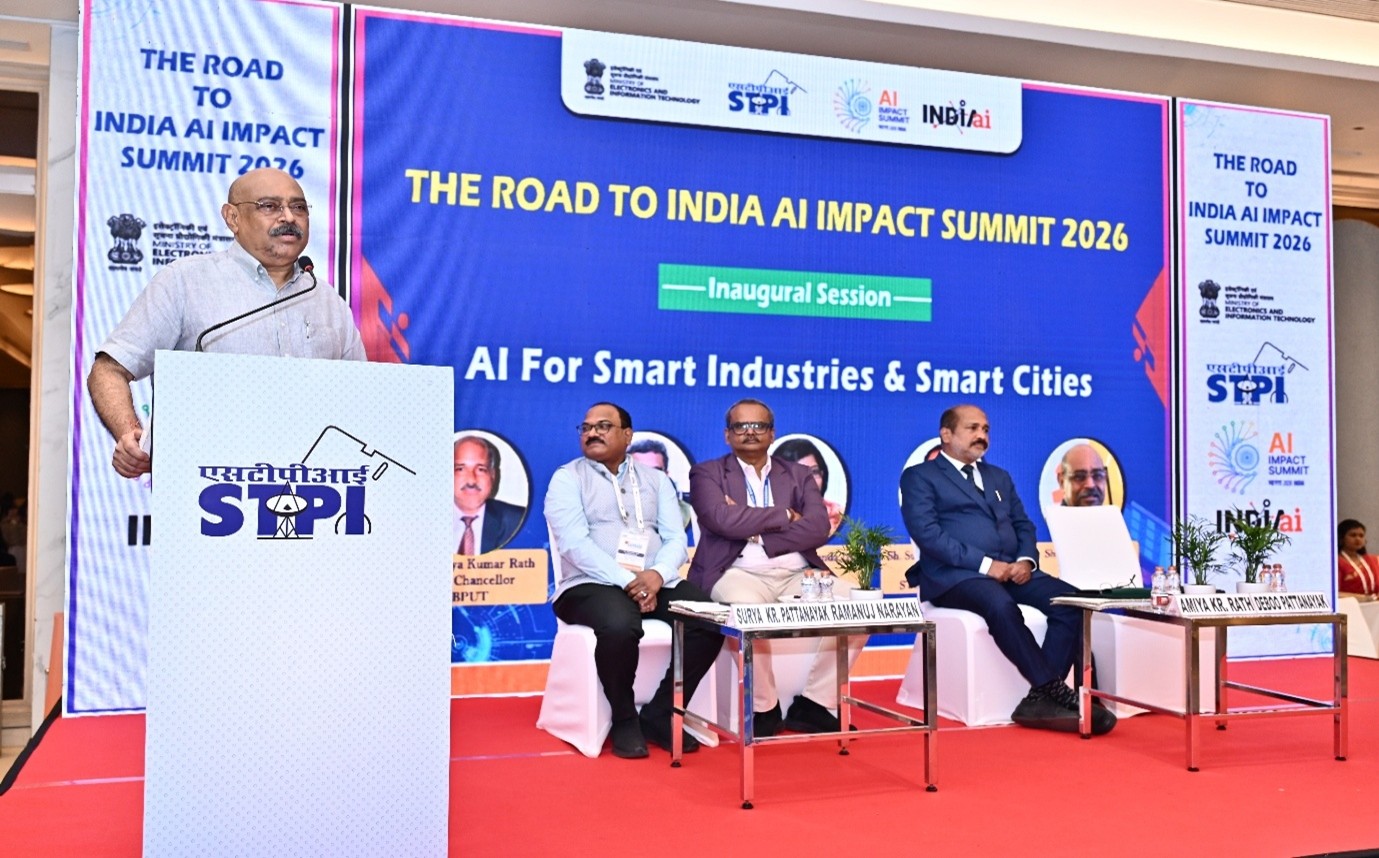
In alignment with the AI Impact Summit 2026 vision, Software Technology Parks of India (STPI) Bhubaneswar organized Official Pre-Summit Event of the AI Impact Summit 2026 on 22nd September 2025 at Hotel The Crown IHCL SeleQtions, Nayapalli, Bhubaneswar under the theme "AI for Smart Industries & Smart Cities".
The event set the tone for the forthcoming India AI Impact Summit 2026, which will convene global leaders, policymakers, industry captains, researchers, and innovators to shape a shared vision of leveraging AI as a transformative force for People, Planet, and Progress. Eminent speakers shared insights into the strides their organizations are making to integrate AI into education, research, and industry.
The cutting-edge initiatives such as digital twin technologies, AI-enabled materials discovery, and predictive analytics in core industries were presented, highlighting India's growing strength in AI-driven research.
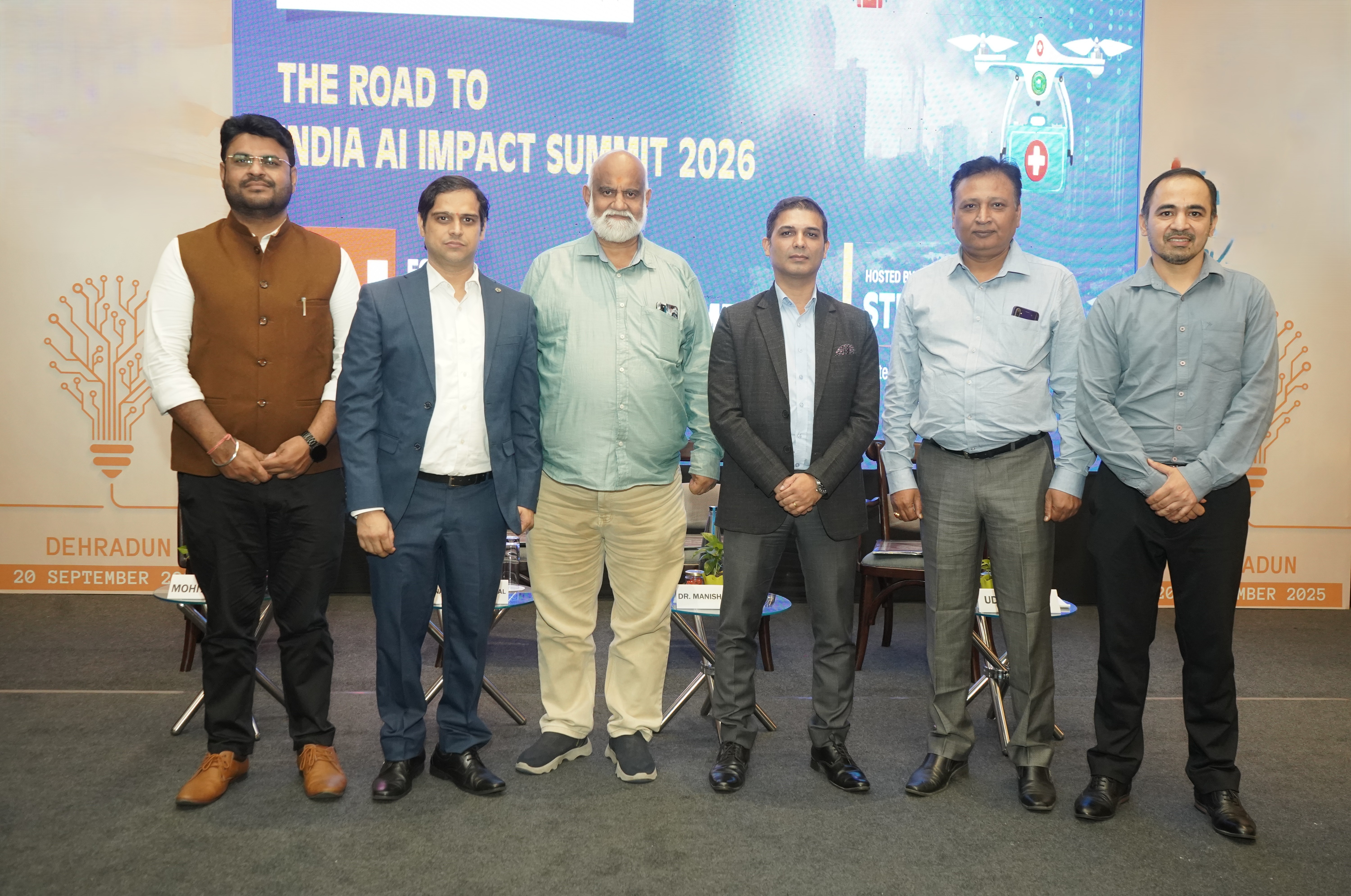
In alignment with the AI Impact Summit 2026 vision, Software Technology Parks of India (STPI) Dehradun organized Official Pre-Summit Event of the AI Impact Summit 2026 on 20th September 2025 at Hotel Hyatt Centric, Rajpur Road, Dehradun, under the theme “AI for Disaster Management | Drones”. STPI Dehradun has conducted the Pre-Summit Event under the India - AI Impact Summit 2026 by engaging researchers, startups, innovators, academician , state governments, and citizens across the state to create awareness about the upcoming India AI summit. The AI based STPI startups showcased their product and services in pre summit event.
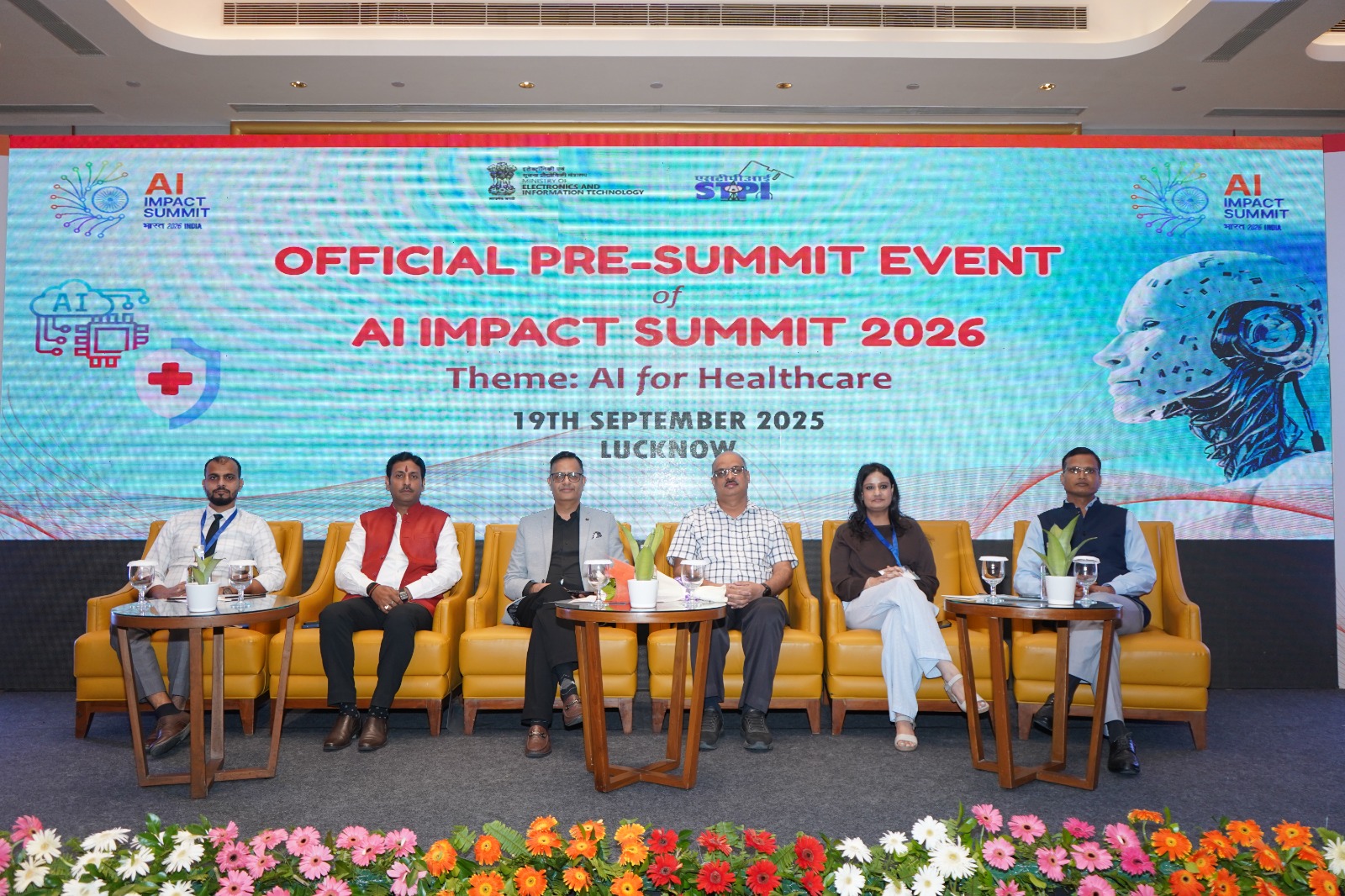
In alignment with the AI Impact Summit 2026 vision, Software Technology Parks of India (STPI) Lucknow organized Official Pre-Summit Event of the AI Impact Summit 2026 on 19th September 2025 at Hotel Taj Mahal, Lucknow, under the theme "AI for Healthcare".
The session brought together experts, innovators, researchers, and startup founders to discuss the transformative potential of AI in healthcare — from diagnostics and predictive analytics to digital health governance and ethical AI frameworks. The deliberations emphasized the importance of responsible AI adoption, data protection, and regulatory frameworks that enable innovation while ensuring patient safety and privacy.
By convening thought leaders and stakeholders from across academia, startups, and policy domains, the Pre-Summit Event contributed valuable perspectives and actionable recommendations for the upcoming India AI Impact Summit 2026.
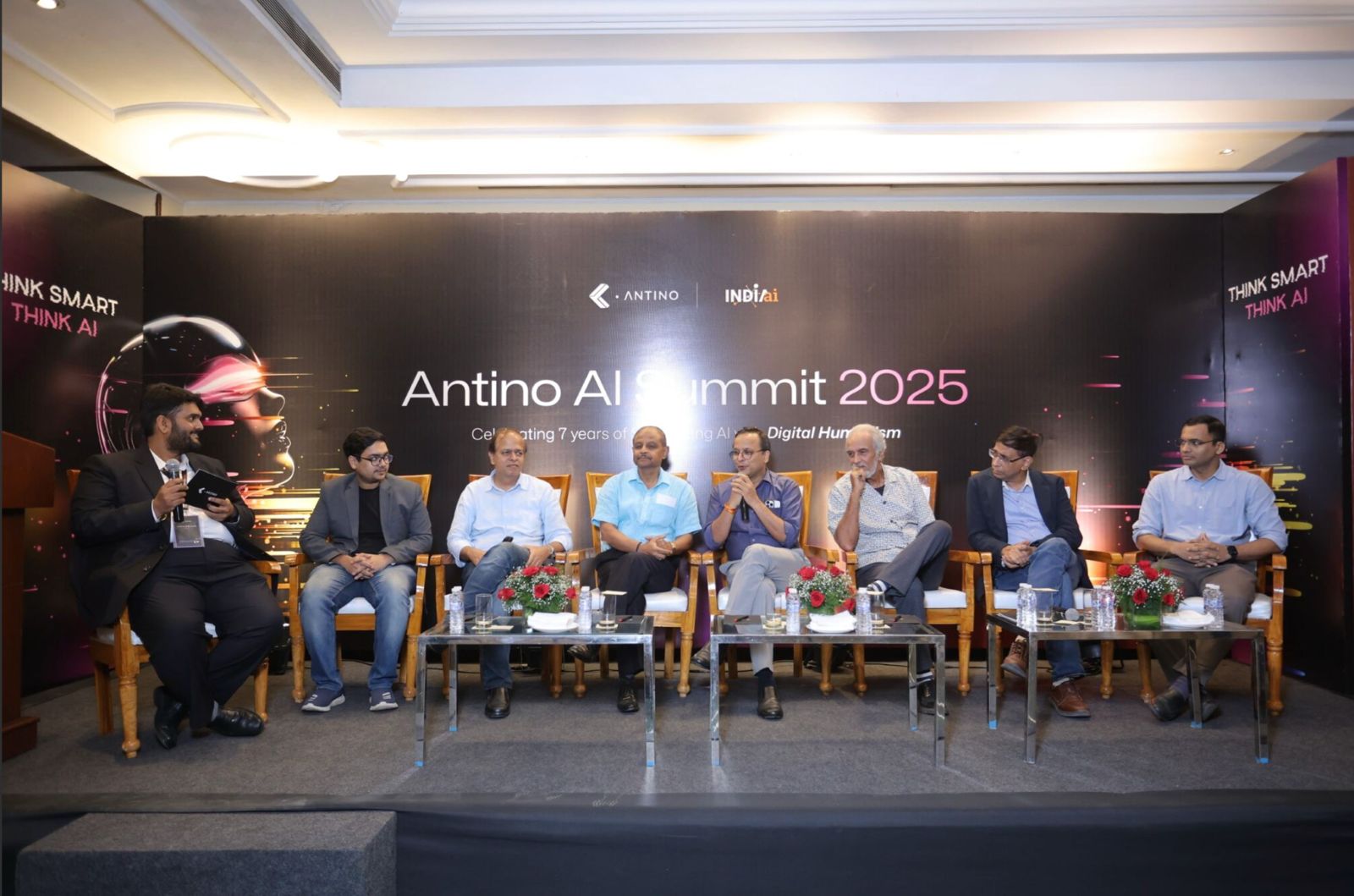
The Antino AI Summit 2025, themed Synergizing AI with Digital Humanism, explored how AI can drive social good while remaining safe, inclusive, and human-centered. Through keynotes, panels, and startup showcases, participants discussed workforce transformation, democratizing AI access, and ethical practices, fostering collaboration and actionable insights for responsible AI adoption.
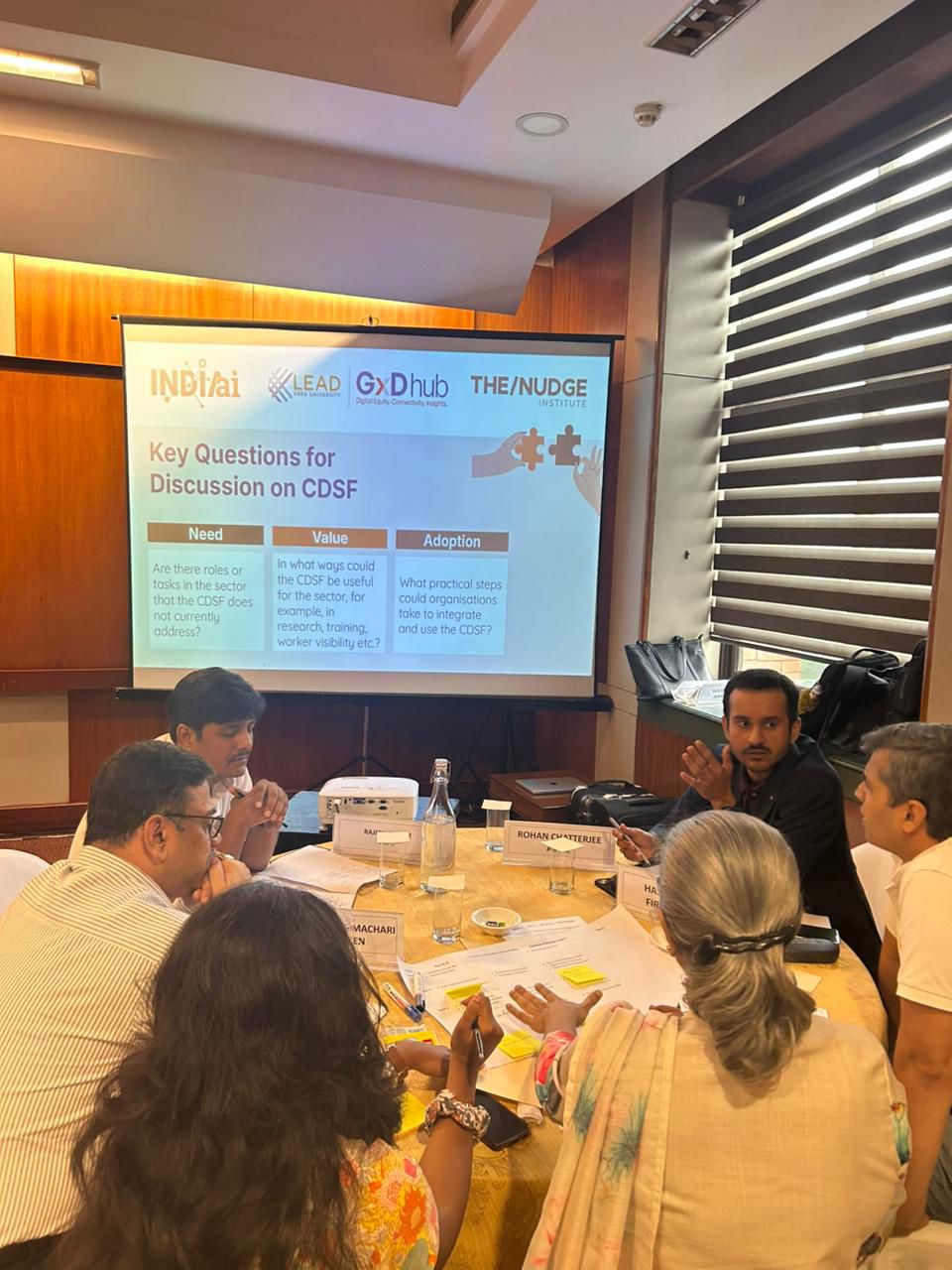
The Sanmati 2.0 workshop focused on expanding women's participation in India's data economy. By developing a common digital skills framework and portable credentialing models, the discussions explored practical ways to open up equitable opportunities for women from low-income and rural communities in the AI-driven future of work.
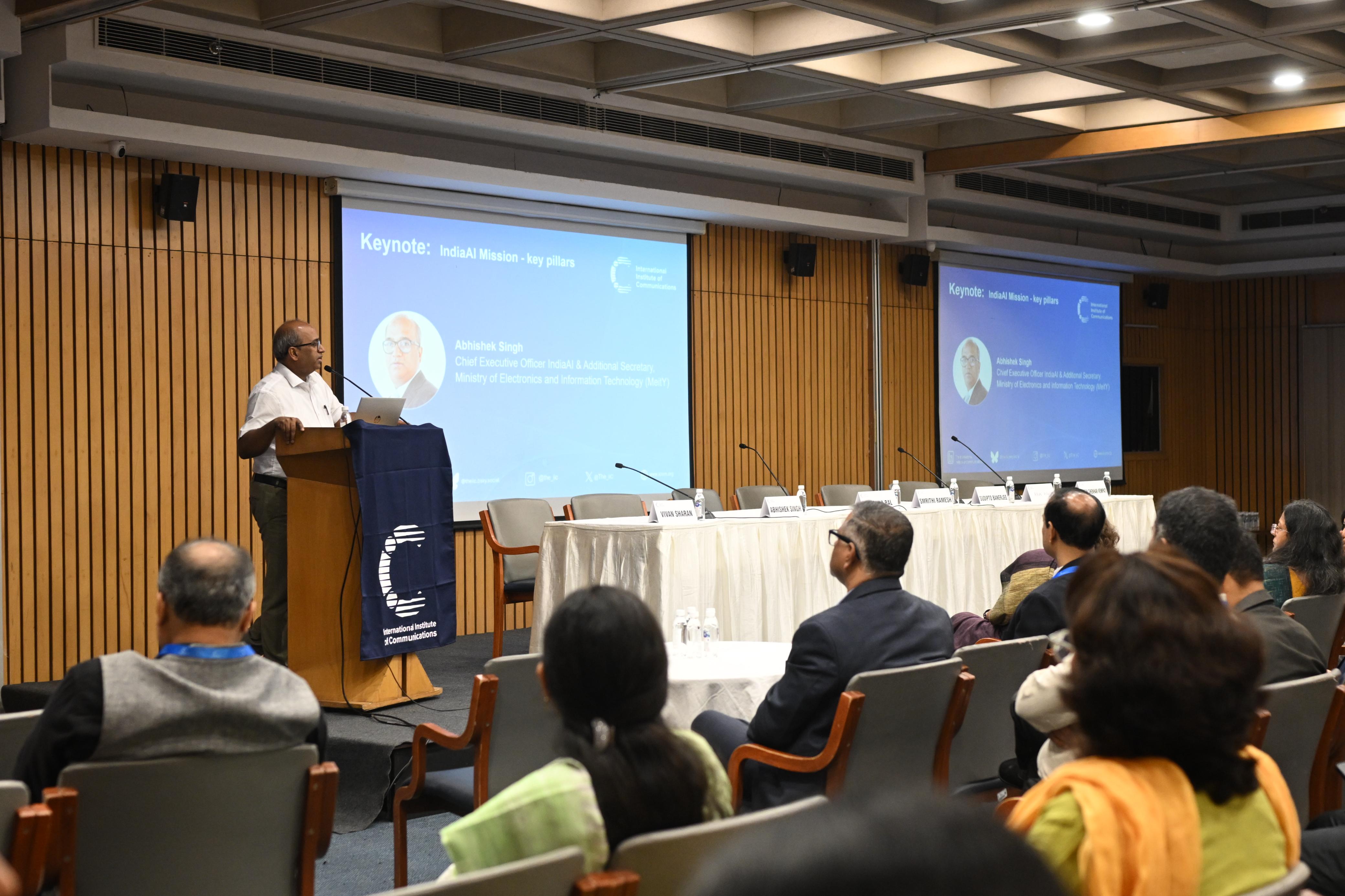
Held at the India International Centre, this discussion focused on how AI is changing the creative economy, from animation and gaming to new forms of storytelling. Speakers shared global lessons on regulation, the future of creative work, and how India can prepare for opportunities in this fast-changing space ahead of the India–AI Impact Summit 2026.
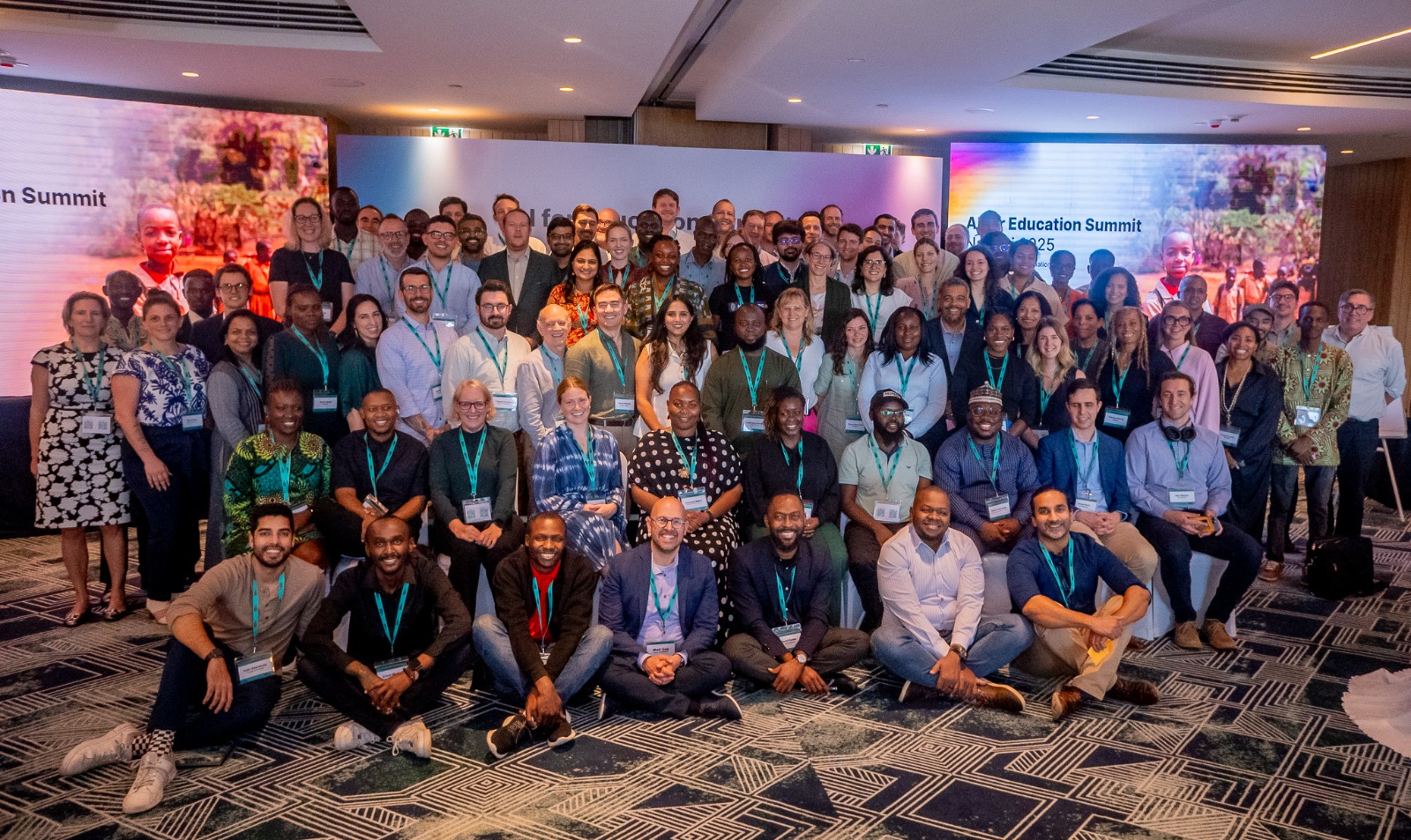
The AI for Education Summit, which took place from November 11 to 13, 2025, at Sankara Hotel in Nairobi, gathered about 80 senior leaders from EdTech organizations, NGOs, funders, and multilateral agencies. The summit focused on identifying impactful AI use cases for education in Sub-Saharan Africa, emphasizing teacher support, personalized learning, and AI-driven assessments. It prioritized inclusivity and South–South collaboration, bringing together African policymakers, educators, innovators, and international stakeholders to co-create actionable solutions for scalable, responsible AI deployment. Expected outcomes included a white paper, partnership commitments, and stakeholder pledges to pilot AI use cases aligned with themes of Safe & Trusted AI, Human Capital, Inclusion, and Democratizing AI Resources.
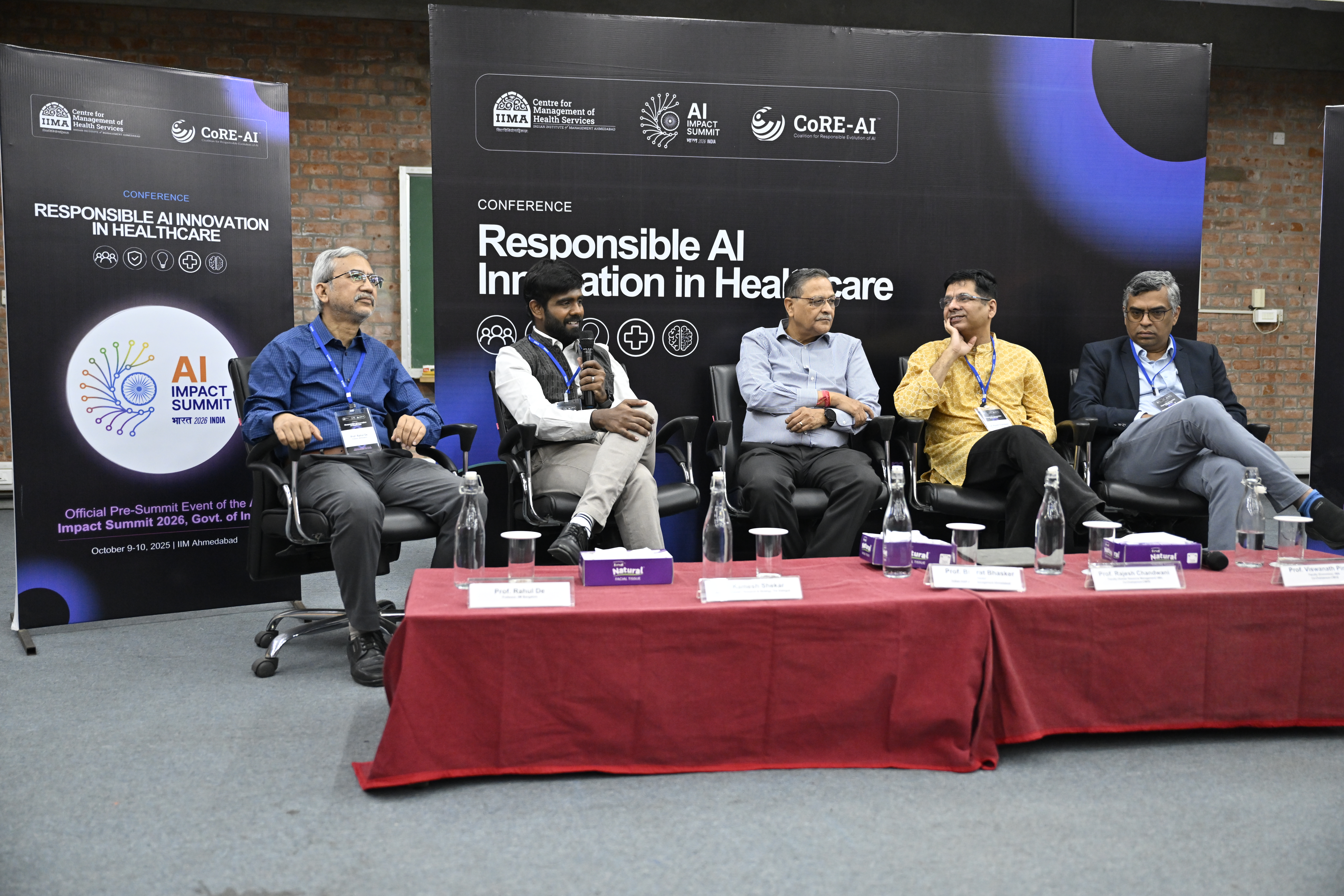
The “Responsible AI Innovation in Healthcare” conference, organized by IIM Ahmedabad in collaboration with CoRE-AI and the Ministry of Electronics and Information Technology brought together doctors, healthcare administrators, technologists, policymakers, and academics to discuss the safe and effective integration of AI into India’s healthcare ecosystem. It highlighted India-centric innovations while drawing from global best practices, underscoring the transformative potential of AI in healthcare.
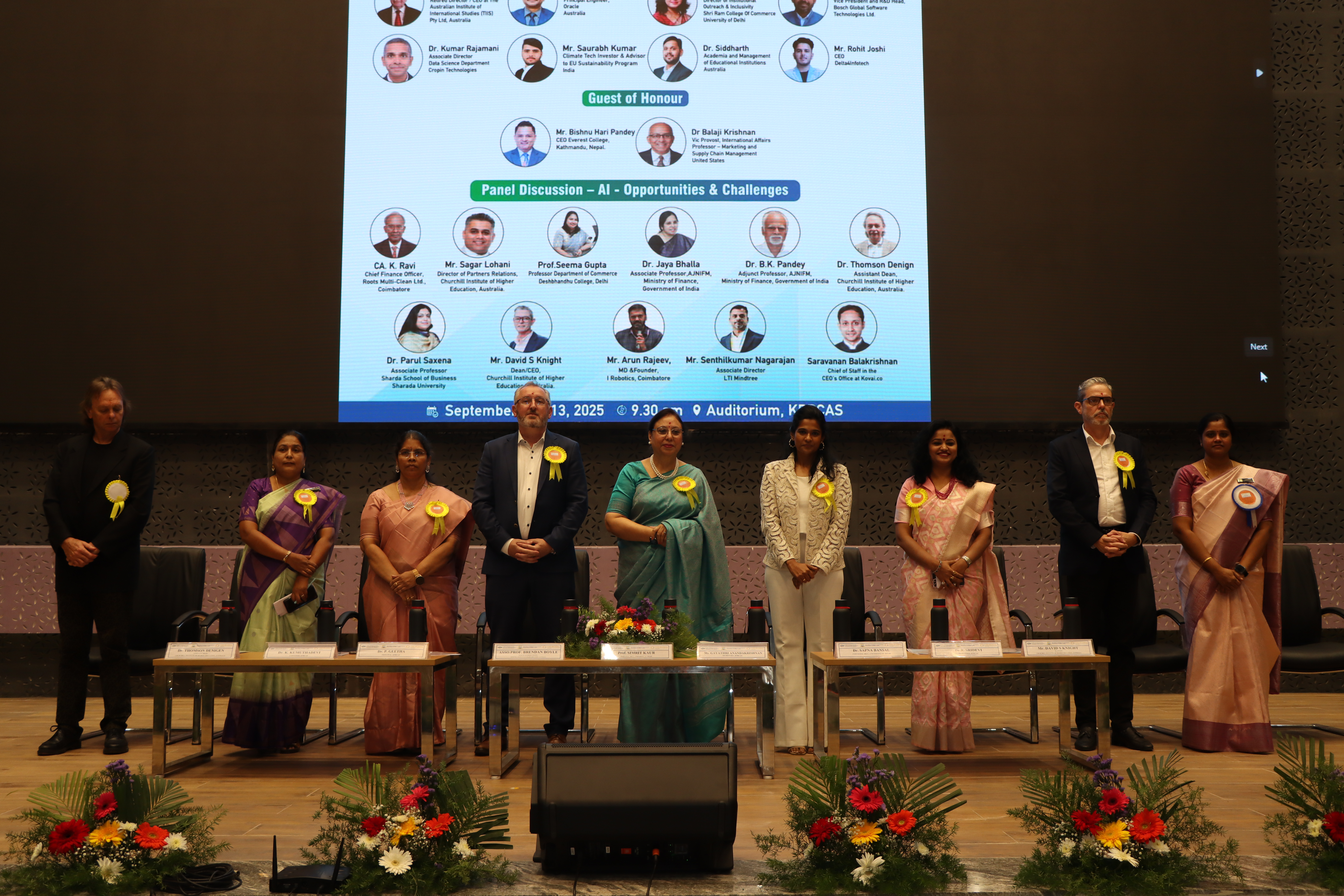
The International Conference on AI for Sustainable Economic Growth at KPR College focused on how AI can drive inclusive, resilient, and sustainable development. The event featured keynotes, panels, and research presentations on workforce transformation, ethical AI, and green innovation, while fostering global collaboration and knowledge exchange through partnerships and research initiatives.

